


Bleisure travel has become a popular buzzword over the past few years, but in the bag industry, it’s something we’ve been dealing with much longer—just without the label.
At its core, bleisure travel isn’t about extending a business trip by a weekend. It’s about whether one backpack can support two different states of life: professional and personal, structured and spontaneous.
From years of working with travel backpacks—and just as importantly, using them on the road—I've learned that a good bleisure packing list isn’t about carrying more. It’s about carrying smarter, reducing friction, and avoiding constant mental resets between work mode and off-duty time.
This guide is written from that perspective: practical, realistic, and based on how people actually travel.
1. Start With the Right Mindset: Reduce Switching Costs, Not Add Gear
The most common mistake first-time bleisure travelers make is packing for business and leisure as if they were two separate trips.
In reality, experienced travelers aim for overlap:
-
Fewer items that serve multiple purposes
-
A single carry on travel backpack instead of switching bags
-
A layout that keeps work gear accessible without disturbing personal items

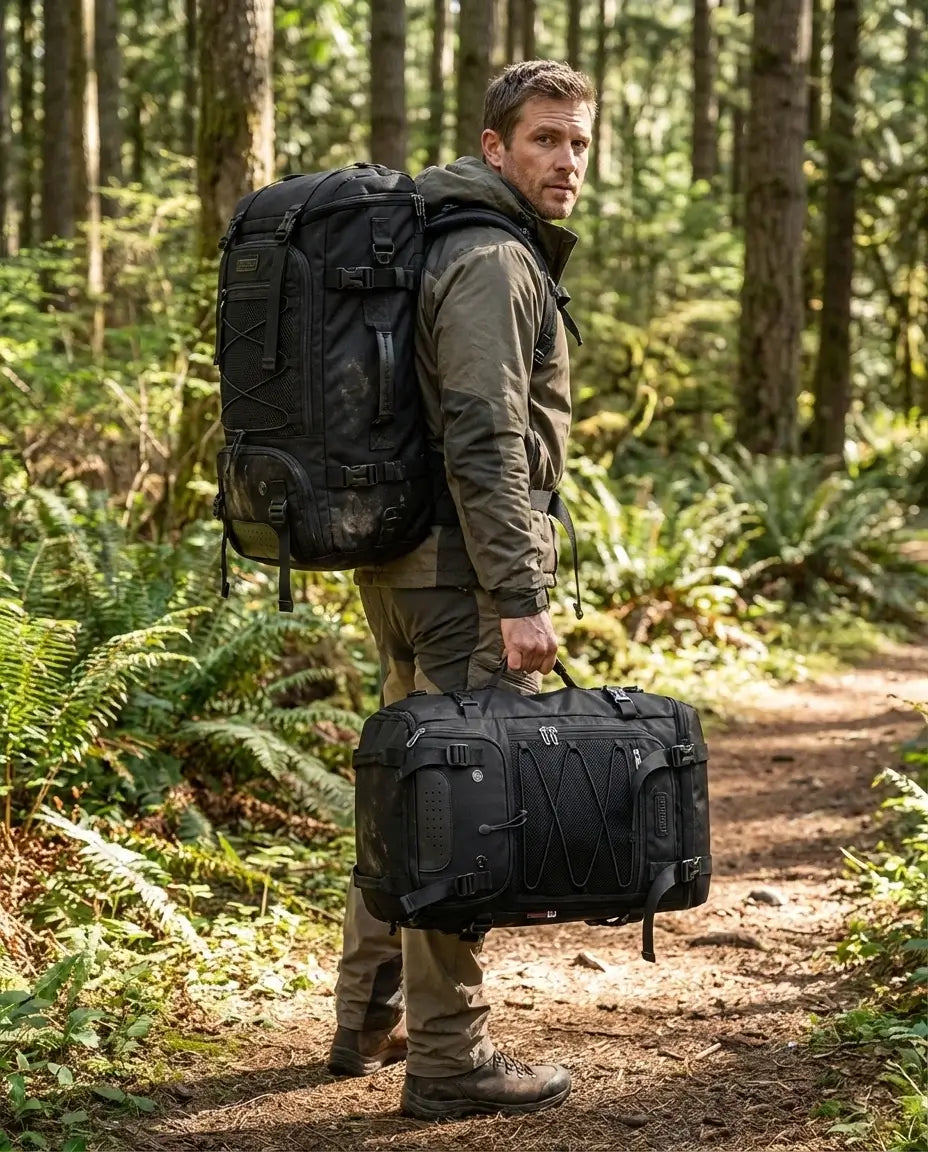
Travel Business Laptop Backpack
A true bleisure travel backpack should feel natural whether you’re heading into a meeting, boarding a flight, or walking through a city on foot.
Before you pack, ask:
-
Does this backpack work as a business travel backpack and a weekend bag?
-
Does it have structured compartments instead of one large open cavity?
-
Can I access essentials without unpacking everything?
If the answer is no, packing efficiently becomes much harder.
2. Work Essentials: Always Accessible, Never in the Way
Laptop & Tech Gear
For most bleisure trips, tech setup should be minimal but reliable.
A practical configuration usually includes:
-
A lightweight laptop (13"–16")
-
Compact GaN charger
-
One backup cable (always)
-
Noise-canceling headphones
-
Optional power bank for long travel days
A well-designed travel backpack with laptop compartment should allow you to:

-
Remove your laptop quickly at airport security
-
Protect it from pressure when clothes are fully packed
This is where many oversized backpacks fail—they offer volume but not structure.
Documents & Small Accessories
Efficiency matters more than volume here.
Instead of scattering items:
-
Passport and ID in a secure, hidden pocket
-
Work documents in a slim, rigid sleeve
-
Tech accessories in one dedicated pouch
This approach reduces mental load. You’re not reorganizing your bag every time your schedule changes.
3. Clothing Strategy: Build Around Versatility
Bleisure travel clothing isn’t about looking “formal” or “casual.”
It’s about looking appropriate in both contexts.
Tops
-
One clean-cut shirt or polo suitable for meetings
-
One lightweight outer layer for temperature changes
The goal is polished but relaxed.
Bottoms
-
One pair of trousers suitable for work
-
One pair of comfortable but structured casual pants or dark jeans
Ideally, both pair with the same shoes.
Basics
-
Underwear and socks for each day + one extra
-
Optional lightweight activewear
In a men’s travel backpack, how clothing packs matters more than how much fits. Compression without excessive creasing is key.
4. Shoes & Personal Items: Be Honest About What You’ll Use
Extra shoes are often overpacked.
If you bring a second pair:
-
Make sure it works for walking and casual settings
-
Store it in a separate shoe compartment or protective bag
A travel backpack with compartments should offer flexibility—not force you to sacrifice space just because a shoe pocket exists.
Toiletries
-
One compact, unified toiletry kit
-
Travel-size liquids only
-
Include something familiar—scent, skincare, or grooming item
Small comforts make travel feel like living, not surviving.
5. Leisure Gear: Pack for the Moments Between Meetings
The value of bleisure travel is in the downtime.
Consider:
-
A slim sling or foldable day bag
-
Sunglasses or a cap
-
A book or Kindle
These items should be easy to access. If they’re buried, they rarely get used.
6. Choosing the Backpack: Don’t Get Lost in Specs
People often overanalyze capacity and features.
From real-world use:
-
A 40L travel backpack suits most bleisure trips
-
Water resistance is more useful than full waterproofing
-
More pockets only help if they’re logically arranged
A good carry on travel backpack for men should let you find essentials in under 30 seconds—without frustration.
Final Thoughts From Experience
If there’s one takeaway after years of designing and using travel bags, it’s this:
Bleisure travel works best when your backpack quietly supports you in the background.
You shouldn’t be thinking about what’s in your bag or where things are. You should be thinking about the meeting ahead—or the city you’re about to explore.
When packing feels effortless, you’ve done it right.
That’s when work and play stop competing for space—and start sharing it naturally.

Partager:
A Practical Guide to Men’s Travel Backpacks: What Actually Makes Travel Easier