

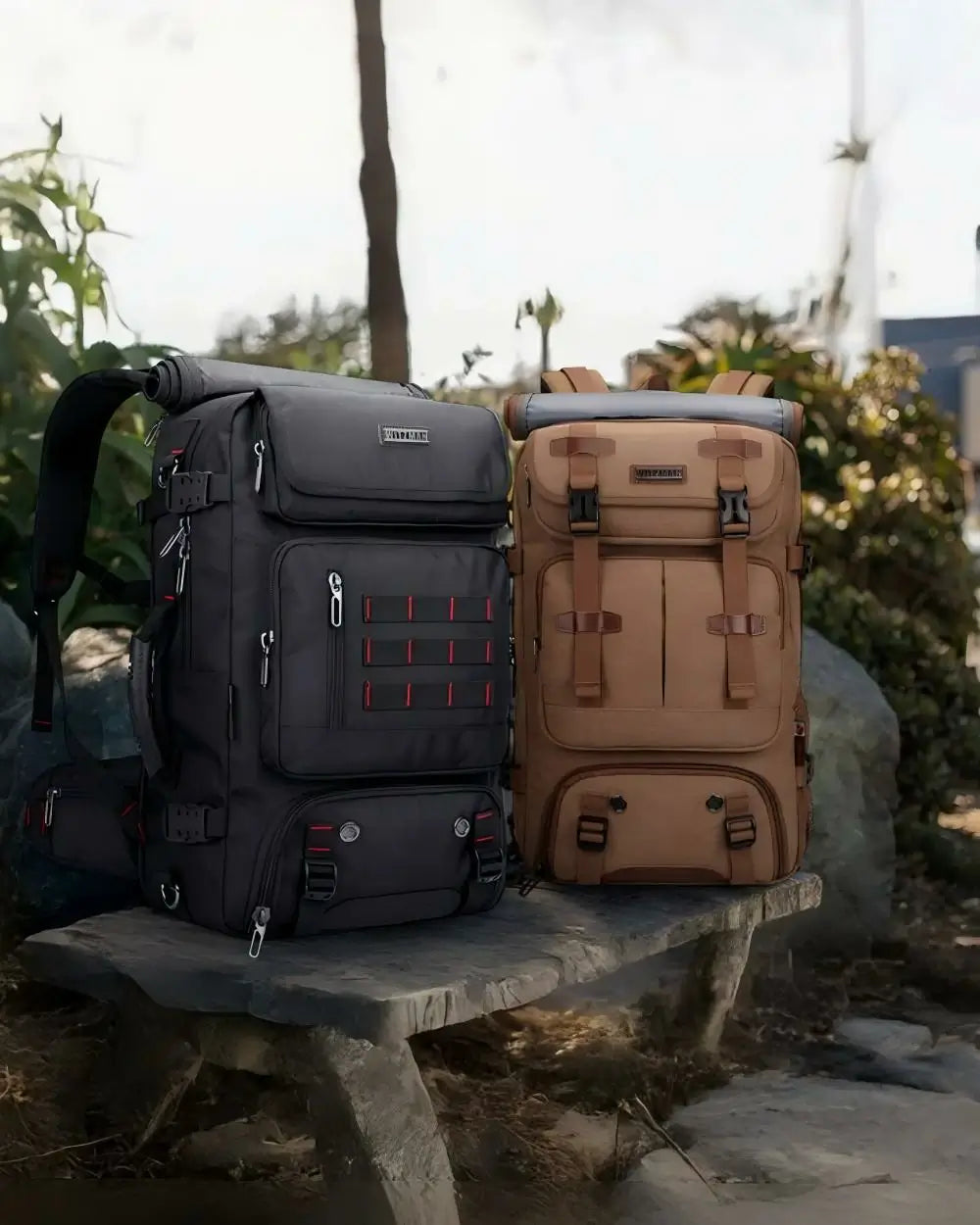
The Science of Backpack Architecture: Engineering, Comfort Systems, and Gear Selection
Most people spend more time choosing the color of a backpack than understanding how the backpack actually works. At first glance, many backpacks look similar. They all have shoulder straps, zippers, and storage space. However, the design hidden inside the bag often determines whether the backpack becomes a useful travel companion or a daily frustration.
Many travelers have experienced the same problem. A laptop feels difficult to access during airport security checks. A pair of shoes ends up touching clean clothing. Small items disappear into the bottom of a large compartment. Shoulder pain develops after only a few hours of carrying the bag. These problems rarely come from the size of the backpack alone. They usually come from foundational layout and design choices.
Modern backpacks have evolved far beyond a single large compartment. Today's designs include dedicated laptop sections, clamshell openings, anti-theft features, modular storage systems, wet-and-dry separation pockets, luggage pass-through sleeves, and many other innovations. This guide explains how these features work, who benefits from them, and which designs deserve your attention before making a purchase. The goal is simple: by the end of this guide, you should understand exactly which backpack features match your lifestyle, travel habits, and daily needs.
Understanding Backpack Architecture

Before comparing advanced features, it helps to understand the basic structure of a modern backpack. Many buyers focus only on capacity, looking closely at labels such as 30L, 40L, or 50L. Capacity matters, but organization often matters more. A well-designed 35L backpack can feel larger and more efficient than a poorly organized 45L backpack by utilizing geometric space properly.
Main Compartment Layouts
The main compartment is the largest storage area inside a backpack, usually holding clothing, books, larger electronics, and other bulky items. The layout of the main compartment affects how quickly you can pack and access your belongings. Travelers who frequently move between hotels, airports, and trains often prefer wide-opening compartments because they allow clear visibility of everything inside the bag. Conversely, students and office workers may prefer a simpler layout because they access only a few specific items during the day.
Common User Complaint: Many users struggle with "black hole syndrome." This happens when small items sink to the bottom of a large compartment and become difficult to find. A backpack with internal organization panels, mesh pockets, and divider curtains can reduce this problem significantly.
Secondary Compartments
Secondary compartments create vital separation between different categories of items. For example, keeping clothing in the main compartment, documents in a secondary compartment, and chargers in targeted organizer pockets reduces clutter and saves time. A traveler searching for a passport or boarding pass should not need to unpack an entire backpack under stress. Good organization improves convenience more than many people expect.
Quick-Access Pockets
Quick-access pockets store items that users need throughout the day, such as boarding passes, phones, wallets, sunglasses, and earbuds. These pockets usually sit near the top or front panel of the backpack. A well-placed quick-access pocket can prevent dozens of unnecessary zipper openings during a multi-city transit trip.
Hidden Security Pockets
Hidden pockets are designed specifically for high-value items like passports, emergency cash, credit cards, and identification documents. These pockets are usually positioned against the wearer's back within the back padding panel. This strategic location makes unauthorized access nearly impossible in crowded subway stations or crowded environments. Hidden pockets do not make a backpack entirely theft-proof, but they add an essential layer of physical security.
Admin Panels
An admin panel is a structured organizational section that business travelers appreciate. A typical admin panel contains pen loops, cable organizers, card slots, notebook sleeves, and zippered accessory pockets. Without an admin panel, small tech accessories often become tangled or difficult to locate. For people who carry technology every day, this feature improves daily efficiency considerably.
Laptop Compartment Designs Explained
Laptop protection has become one of the most important backpack design categories. Remote work, hybrid work, and digital travel have increased demand for dedicated laptop storage. However, not all laptop compartments provide the same protective experience.
Shared Main-Compartment Laptop Sleeve
This is the most basic laptop design where the sleeve sits directly inside the main compartment. The advantages include a lightweight construction, lower manufacturing cost, and more flexible internal space. However, the disadvantages are significant: less physical impact protection, slower airport security access, and more packing disruption. Many budget backpacks use this design, and it works well for casual users who carry a laptop occasionally.
Dedicated Laptop Compartment
A dedicated laptop compartment completely separates the computer from the main storage area, a layout utilized by premium business and travel backpacks. The advantages include faster security checkpoint access, better organization, and vastly improved protection. The only real disadvantages are a slightly heavier construction and reduced flexibility in some layouts. For frequent travelers and professionals, a dedicated compartment provides a vastly superior user experience.
Side-Access Laptop Compartments

Some backpacks allow laptop access through a dedicated side zipper, helping users retrieve a laptop without opening the main compartment. Many daily commuters appreciate this feature. A person standing on a crowded train platform can remove a laptop quickly without exposing other personal belongings. However, side-access systems require careful engineering; poorly designed versions may place bending pressure on the laptop frame or reduce corner protection.
TSA-Friendly Lay-Flat Designs
Airport security creates a common frustration for modern travelers. Traditional backpacks require users to remove their laptops completely and place them in plastic bins. Some travel backpacks solve this problem through a lay-flat design where the backpack opens 180 degrees like a suitcase. The laptop compartment unfolds separately, allowing security personnel to inspect the device easily. Many frequent flyers prefer this configuration because it reduces friction during airport screening. Note that travelers should still follow local airport regulations, as procedures can vary by country.
Suspended Laptop Protection (The Drop Buffer Zone)
One of the most useful modern innovations is suspended laptop protection, often called a "false bottom." In this design, the laptop sleeve sits slightly above the physical base of the backpack, ensuring the computer never directly touches the ground. If the backpack is dropped or placed on the floor abruptly, the laptop receives zero direct impact. This is an overlooked feature that significantly improves device protection during daily use.
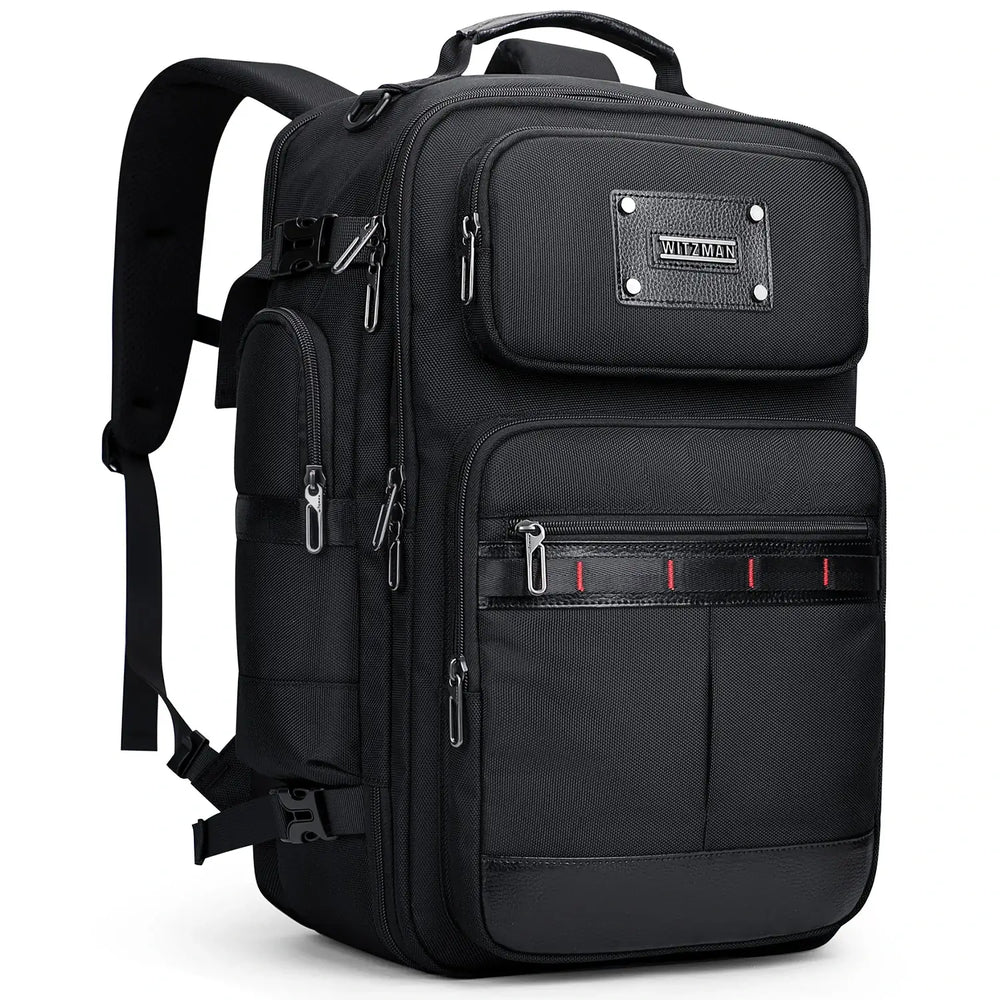
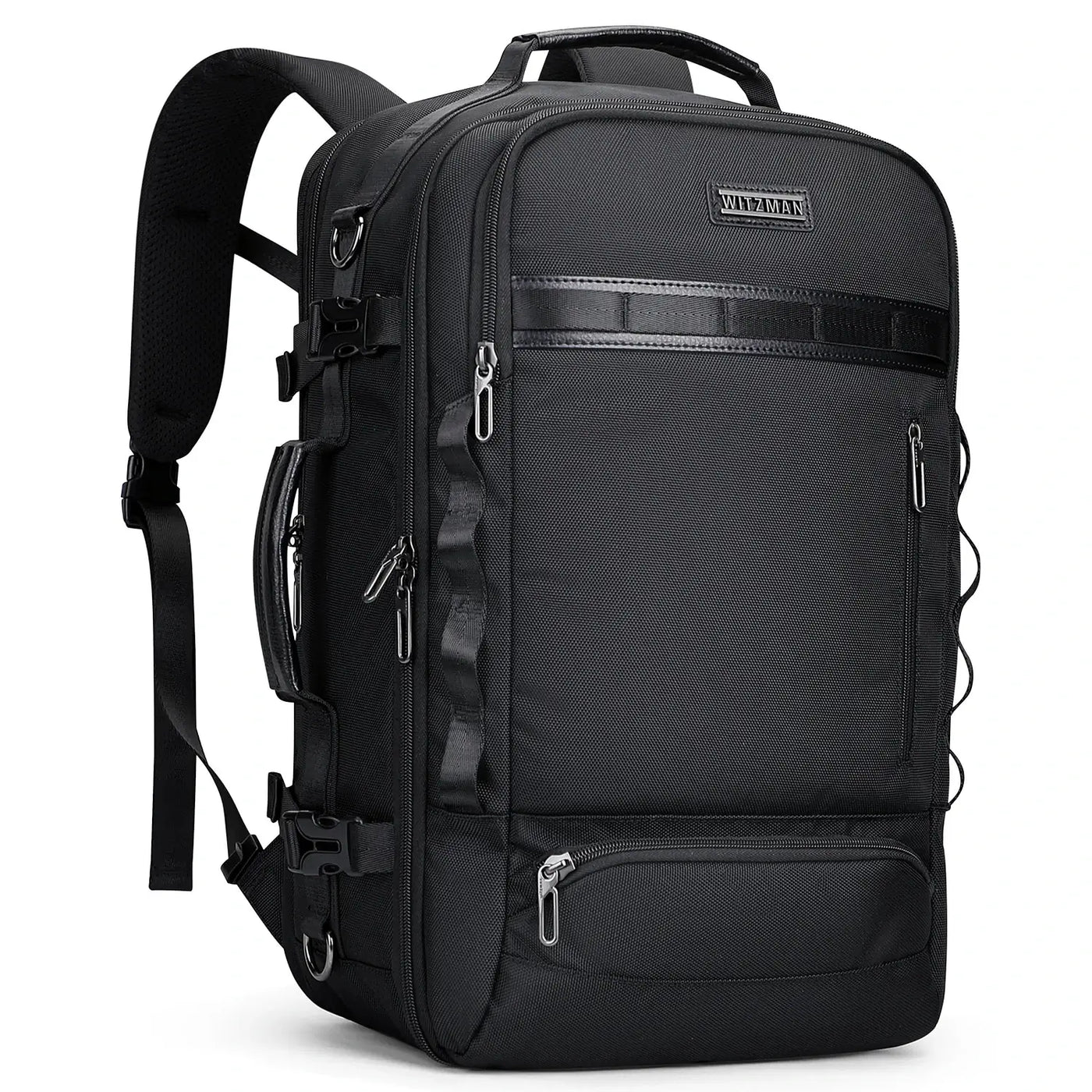
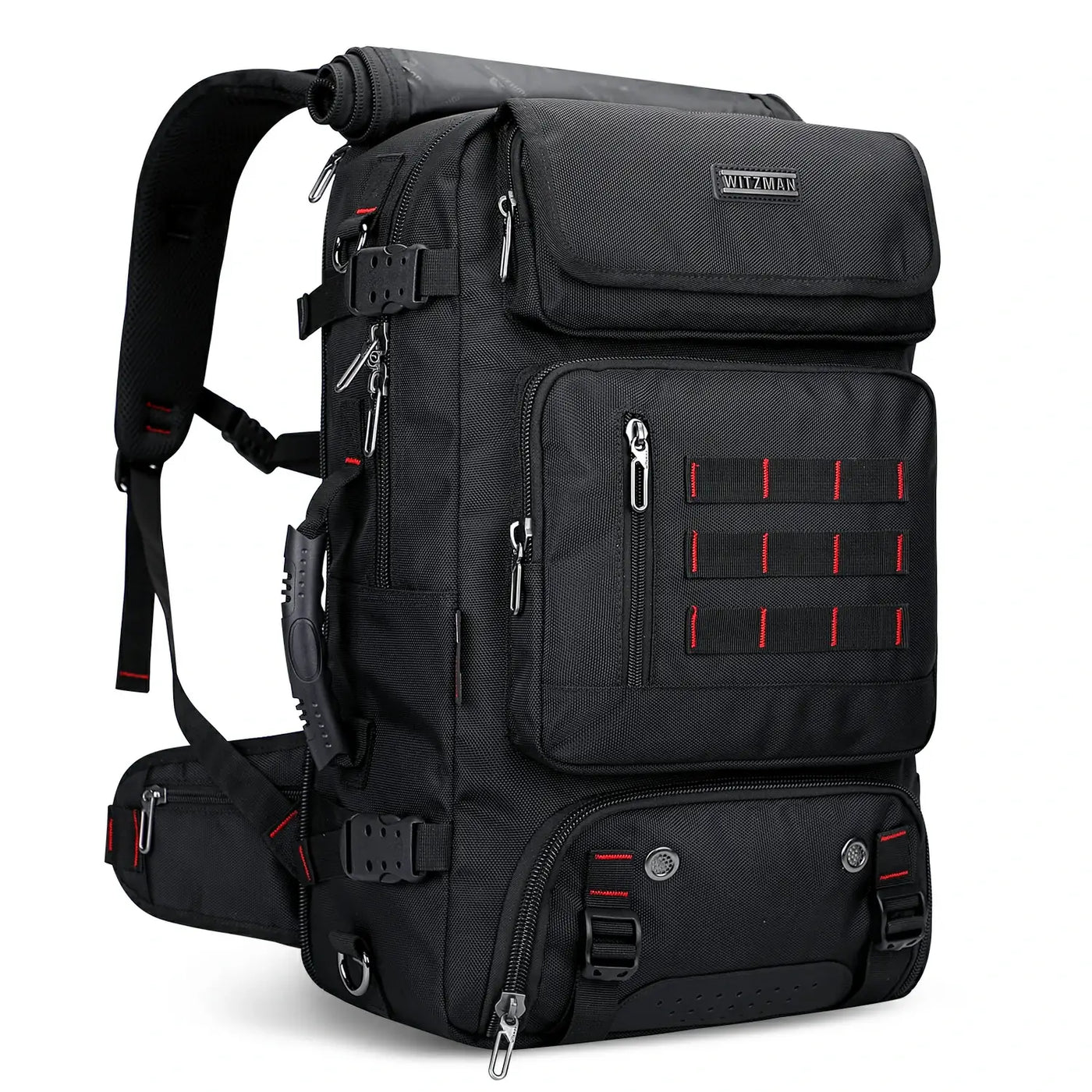
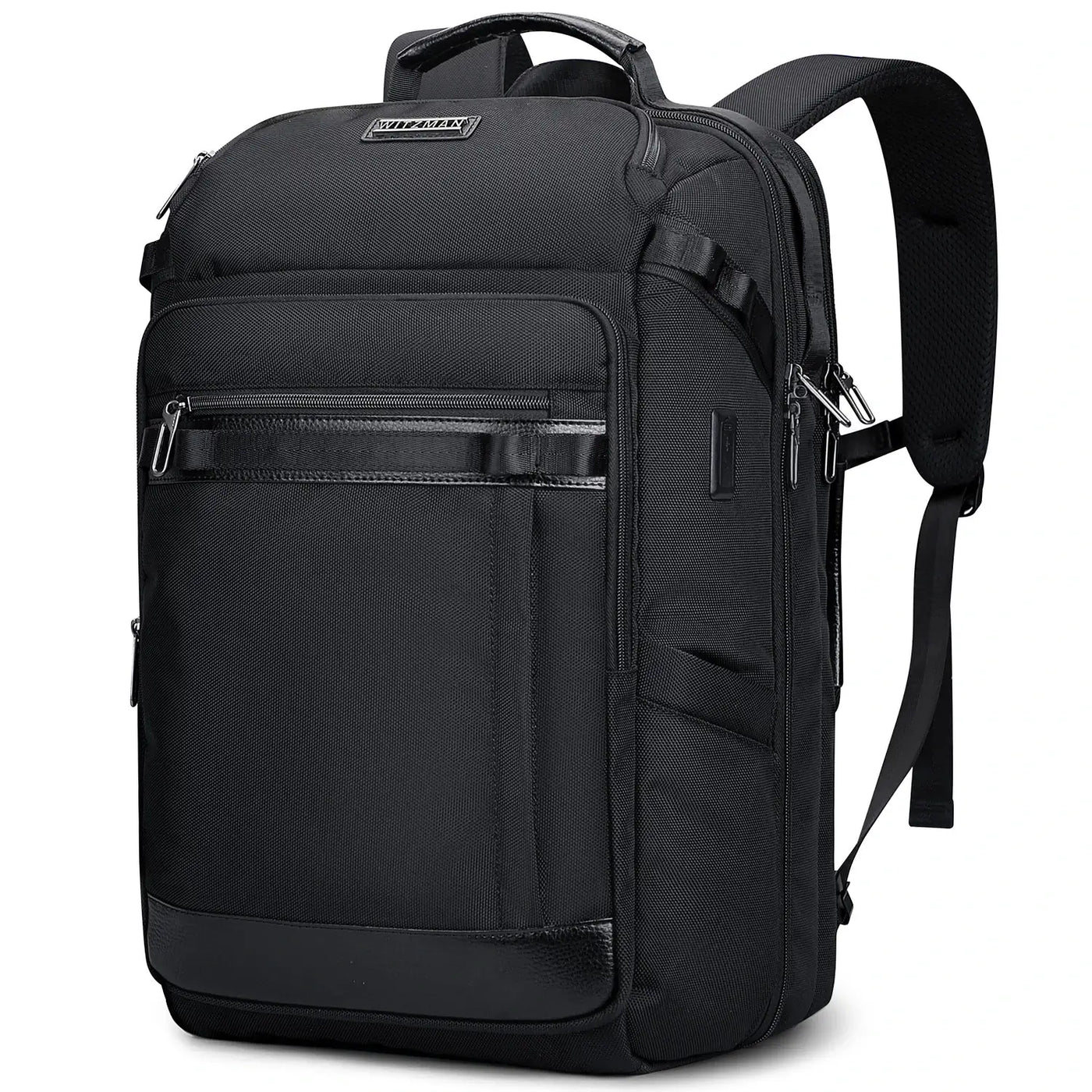
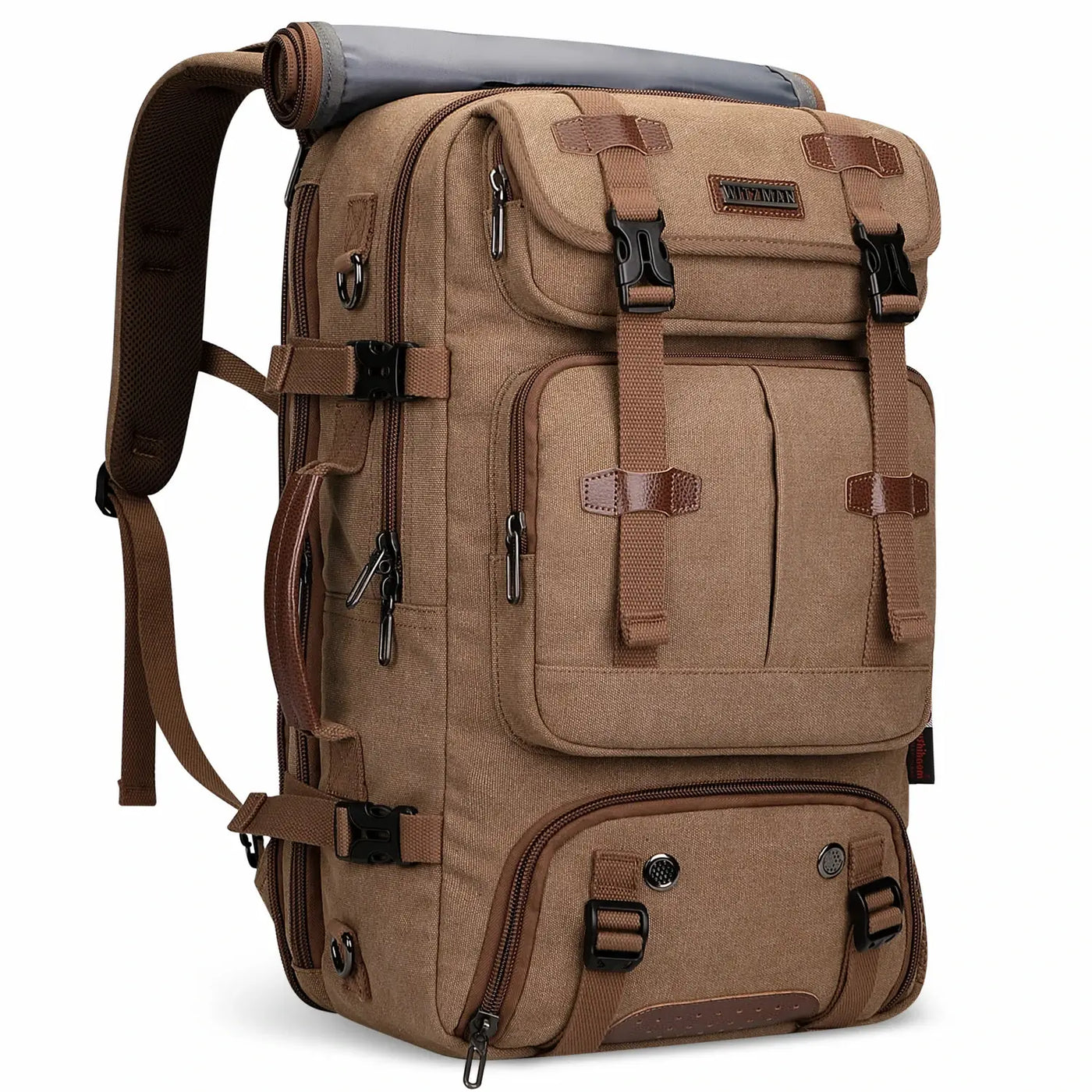
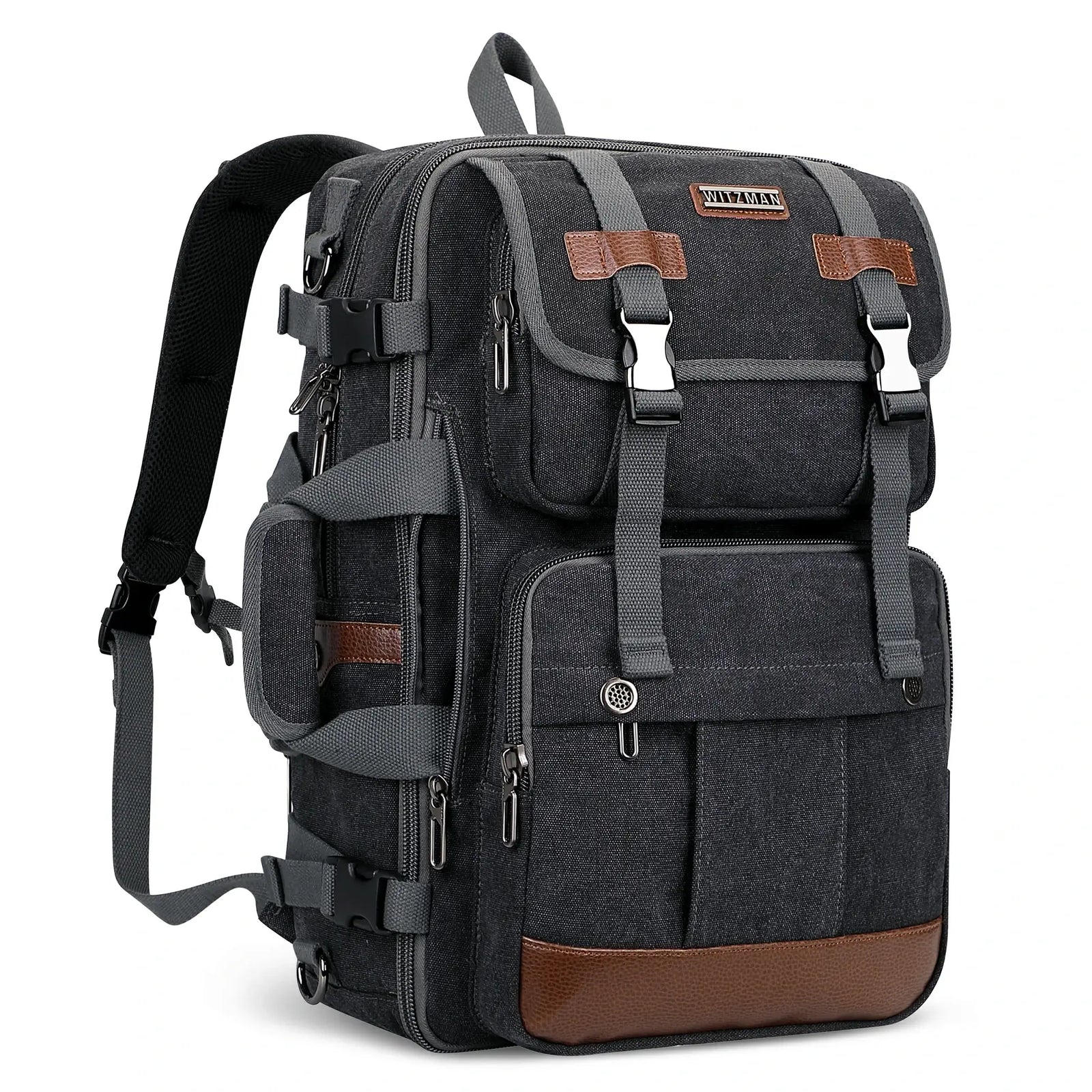
To successfully execute a transition to a single-bag travel system or a highly organized daily commute, the architecture of your pack must be flawless. Below are six highly optimized, premium solutions from Witzman engineered explicitly with dedicated laptop protection, advanced organizational layouts, and rugged material designs:
Main Opening Styles

The opening style affects how a backpack feels every day. Many buyers ignore this detail, only to realize later that packing and unpacking takes much longer than expected. The opening system often determines convenience more than overall capacity metrics.
Top-Loading Backpacks
Top-loading backpacks represent the traditional mountaineering design where users access belongings through a single opening at the top. The advantages are simple construction, excellent weather resistance, and efficient total use of space. However, the disadvantages are clear: difficult access to items near the bottom and slower organization. Hiking backpacks commonly use this format because it prioritizes structural durability and raw capacity.
Clamshell Opening Backpacks
Clamshell backpacks open fully flat like a suitcase because the entire front panel unzips around the perimeter. The advantages include excellent visibility, faster packing, and effortless modular organization. The only minor disadvantage is a slightly more complex construction. Many modern travel backpacks utilize this design because it drastically simplifies packing for multi-day trips, creating a perfect balance between convenience and organization.
U-Shaped Openings

A U-shaped zipper creates a wide front opening without fully separating the front panel fabric. This perimeter design combines some benefits of traditional and clamshell layouts, granting users easier access while maintaining clean structural simplicity.
Roll-Top Designs
Roll-top backpacks use a folding top closure system secured with buckles. Outdoor users and cycling commuters often choose this design because it provides superior rain resistance and allows flexible capacity adjustment. However, roll-top designs significantly slow down access to items near the base. People who open their backpacks many times per day may find this setup less convenient.
Drawstring Closures
Drawstring openings remain common in casual outdoor and heritage-inspired backpacks. These systems offer mechanical simplicity but usually provide much slower access and less water protection than modern zipper-based designs. For travel and business use, heavy-duty zipper systems are highly preferred.
Hybrid Opening Systems
Some modern backpacks combine multiple opening styles to solve different user needs simultaneously, such as clamshell configurations plus separate top access, roll-top styles plus side access zippers, or front panels plus distinct laptop compartments. The real effectiveness of these hybrid structures depends entirely on engineering execution; a well-designed hybrid backpack feels highly versatile, while a poorly designed one can become unnecessarily complicated.
Specialized Storage and Functional Features in Modern Backpacks
Modern backpacks are no longer simple storage bags. They now function like comprehensive portable organization systems where each compartment solves a specific problem in daily life or travel. Many users only notice specialized storage features after experiencing a real-world travel problem for the first time. For example, clean clothes getting dirty from dusty shoes, or wet toiletries leaking into the main laptop compartment. This section explains how specialized storage systems work and why they matter in real use.
Shoe Compartments (Dedicated Footwear Storage)

A shoe compartment is an isolated space located inside or at the base of a backpack that stores footwear away from clean items. It is usually separated by an internal flexible fabric liner divider, accessed through an independent side or bottom zipper, and ventilated in high-end designs. Many travelers face the same problem: shoes carry dust, odor, and moisture. When shoes are placed inside a main compartment without protection, they affect clothing and electronics. A dedicated shoe compartment solves this contamination problem directly.
Common variations include the Bottom Shoe Compartment (places weight at the base to balance load), the Side Shoe Compartment (allows quick access without disturbing the main compartment), and the Ventilated Shoe Pocket (includes mesh grommets or airflow holes to reduce odor buildup). Note that a shoe compartment reduces usable main compartment space and adds slight structural weight.
Wet and Dry Separation Systems
Wet and dry separation means the backpack divides wet items from dry items using a built-in impermeable layer. Common use cases include storing gym clothes after exercise, swimming gear, wet travel towels, or toiletries after use. A high-performance wet pocket is usually constructed of waterproof TPU lining, coated polyester, or heat-sealed seams in higher-end designs. Without this physical separation, moisture spreads into the entire bag, damaging electronics, clean clothing, and documents. Users who travel often or exercise frequently benefit the most from this system.
Waterproof Toiletry Compartments
A toiletry compartment is designed specifically for hygiene and liquid items like shampoo bottles, toothbrushes, skincare products, and small grooming tools. Good toiletry compartments include water-resistant linings, easy-clean surfaces, elastic bottle holders, and separate access zippers. Many travelers store toiletries in basic plastic bags, which introduces high leakage risks. A built-in compartment improves organization and reduces accidental liquid spills.
Tech Organizer Sections (Digital Storage Systems)
Tech organizer sections are designed for cables, chargers, and small electronics. They usually include elastic bands, cable loops, small zippered mesh pockets, card slots, and pen holders. Modern users carry multiple digital devices simultaneously—phones, laptops, power banks, and earbuds. Without organization, these cables become tangled quickly. A structured tech panel prevents time loss and cable frustration.
Anti-Theft Backpack Systems
Anti-theft design focuses on reducing unauthorized access in public transit and crowded environments. It does not make a backpack completely theft-proof; instead, it increases physical difficulty and delays access to deter pickpockets.
Hidden Zippers
Hidden zippers are placed against the back panel or hidden beneath thick fabric flaps. Pickpockets rely entirely on fast, unnoticed access. Hidden zippers reduce the visibility and speed of access, making unauthorized entry highly obvious to the wearer.
Lockable Zippers
Some backpacks include interlocking zipper pulls that can attach directly to small TSA padlocks. This design helps secure belongings in high-risk environments like busy airports, crowded hostels, and public transport systems.
RFID Blocking Pockets
RFID blocking pockets are designed to reduce unauthorized electronic scanning of contactless credit cards and passports. These pockets use integrated metallic shielding materials that reduce radio frequency signal exposure. While effectiveness can vary depending on the materials used, it adds an extra layer of digital security for peace of mind.
Hidden Passport Compartments
These compartments are placed inside padded sections against the back panel or hidden beneath laptop layers. They are designed specifically to store critical documents like passports, boarding passes, and emergency ID cards close to your body.
Slash-Resistant Materials
Some backpacks use reinforced fabric layers designed to resist knife cutting or slashing attempts by thieves. Common materials include high-density woven polyester or reinforced nylon blends, a feature highly utilized in travel-focused backpacks.
Digital Tracking Systems
Some modern backpacks integrate tracking support using dedicated external tracking devices. Users often place a tracker inside an internal hidden pocket. One commonly used system involves Apple Find My paired with small Bluetooth trackers such as an Apple AirTag. This system helps users locate lost bags in crowded airport terminals. Note that tracking depends on nearby device mesh networks and is not guaranteed in all isolated locations.
Modular Backpack Systems
Modular systems allow users to change, scale, or expand storage capacity based on immediate travel needs. This is one of the fastest-growing design trends in travel gear.
MOLLE Systems

MOLLE (Modular Lightweight Load-carrying Equipment) systems use external heavy-duty webbing loops. Users can securely attach small pouches, water bottle holders, or tool kits to the exterior of the bag. This system originated from military gear and later entered high-performance consumer backpacks.
Detachable Pouches
Some advanced backpacks allow removable compartments, letting users detach toiletry kits, tech organizers, or shoe bags to use them independently. This improves flexibility for different trip profiles.
Expandable Storage Systems
Expandable backpacks include peripheral zippers that, when unzipped, expand the fabric bellows to increase internal volume. Typical expansion ranges include 30L to 40L or 40L to 50L, helping users adapt one single bag to different trip lengths.
Compression Systems
Compression straps reduce unused internal space by pulling the bag fabric tight. Benefits include better center-of-weight balance, reduced bulk, and improved carrying comfort by keeping the load static.
Interchangeable Modules
Advanced modular systems allow users to swap internal layouts entirely using hook-and-loop or zipper dividers. For example, a user can shift from a laptop-focused commute setup to a travel packing layout, or a photography gear setup. These systems vary widely between brands but represent high-level utility.
Comfort Systems, Travel Optimization, and Ergonomics
A backpack is not only a storage tool; it is also a load-bearing system that affects your body directly. Many users only notice comfort when back pain appears after long use. Shoulder pain, back fatigue, and uneven weight distribution are common problems. These issues usually come from poor ergonomic design, not from the weight alone.
Shoulder Strap Systems
Shoulder straps carry most of the load of a backpack, and their design directly affects comfort. Most modern backpacks use high-density EVA foam padding inside the straps to reduce direct pressure on the shoulders. Furthermore, ergonomic S-curve or J-curve designs match the natural slope of the human shoulder torso, reducing friction and improving stability. Breathable air-mesh layers are added on top of padding to reduce heat buildup during extended walking.
Sternum Strap (Chest Strap)

A sternum strap connects the two shoulder straps across the chest, distributing weight more evenly across the upper body chest muscles. Users feel significantly less shoulder strain when the load is heavy or uneven, as it prevents the straps from slipping outward.
Hip Belt Systems
Hip belts transfer part of the backpack weight from the shoulders to the hips. This system is most useful for long hikes, heavy payloads, and extended travel. Many urban backpacks do not include hip belts to preserve design simplicity, but they are crucial for heavy travel loads.
Back Panel Ventilation Systems
The back panel touches the user's back continuously. Without ventilation, heat builds up quickly, leading to sweating and discomfort. Some backpacks use molded airflow channels or raised foam structures that create air gaps, allowing airflow between the bag and the back. Mesh back panels help reduce heat while keeping support clean.
Carry-On Travel Optimization

Many users today choose backpacks for air travel instead of rolling luggage. However, not all backpacks meet airline size expectations. Most airlines define strict carry-on size limits that vary by airline and region. Because of this variation, no single backpack size works for all airlines. Users should always confirm airline rules before travel.
A vital feature is the Luggage Pass-Through Sleeve, which allows a backpack to slide onto a rolling suitcase handle, reducing shoulder load entirely in airports. Additionally, integrated compression straps help reduce unused space, making the bag more compact and stable during movement.
What Features Actually Matter: Real User Priority Guide
Not all features provide equal value. Some are essential, while others are situational. This breakdown helps prioritize your investment:
- High Priority (Most Users Benefit): Comfortable padded shoulder straps, a dedicated laptop compartment (ideally with a false bottom), clear internal organization, quick-access pockets, and durable YKK-grade zippers and materials.
- Medium Priority: Dedicated shoe compartment, wet/dry separation pockets, TSA lay-flat design, and expandable capacity bellows.
- Situational Priority: External MOLLE webbing, modular attachments, RFID blocking pockets, and built-in tracking tag support.
Many users buy backpacks with too many features, only to discover later that they use a small portion of them. Function and layout quality matter far more than raw feature quantity.
Common Mistakes When Choosing a Backpack
- Mistake 1: Focusing only on size. A larger backpack does not always mean better usability. Poor internal layout can make a large bag feel inefficient and disorganized.
- Mistake 2: Ignoring empty weight before packing. Some backpacks are already heavy before loading items, increasing fatigue during travel.
- Mistake 3: Overvaluing external appearance. A stylish exterior design does not guarantee ergonomic comfort or proper internal organization.
- Mistake 4: Ignoring access design. Many users realize too late that the opening style (clamshell vs. top-load) affects daily convenience more than expected.
Frequently Asked Questions
Review answers to common queries regarding backpack design and selection logic below:
Is a 40L backpack enough for international travel?
What exactly is a clamshell backpack?
Are shoe compartments genuinely useful in travel backpacks?
What is the best backpack opening style for daily commuting?
Do anti-theft backpacks really work against pickpockets?
What is a modular backpack configuration?
Is RFID protection absolutely necessary for modern travel?
What is the single most important feature to look for in a backpack?
Final Decision Framework
A backpack is not defined by features alone; it is defined by how well its design supports daily movement, travel habits, and personal routines. The best design is not the most complex one. The best design is the one that reduces physical and operational friction in real life.


Share:
What NOT to Pack: Common Mistakes to Avoid When Traveling
The Ultimate Packing Guide for the Summer Rainy Season