

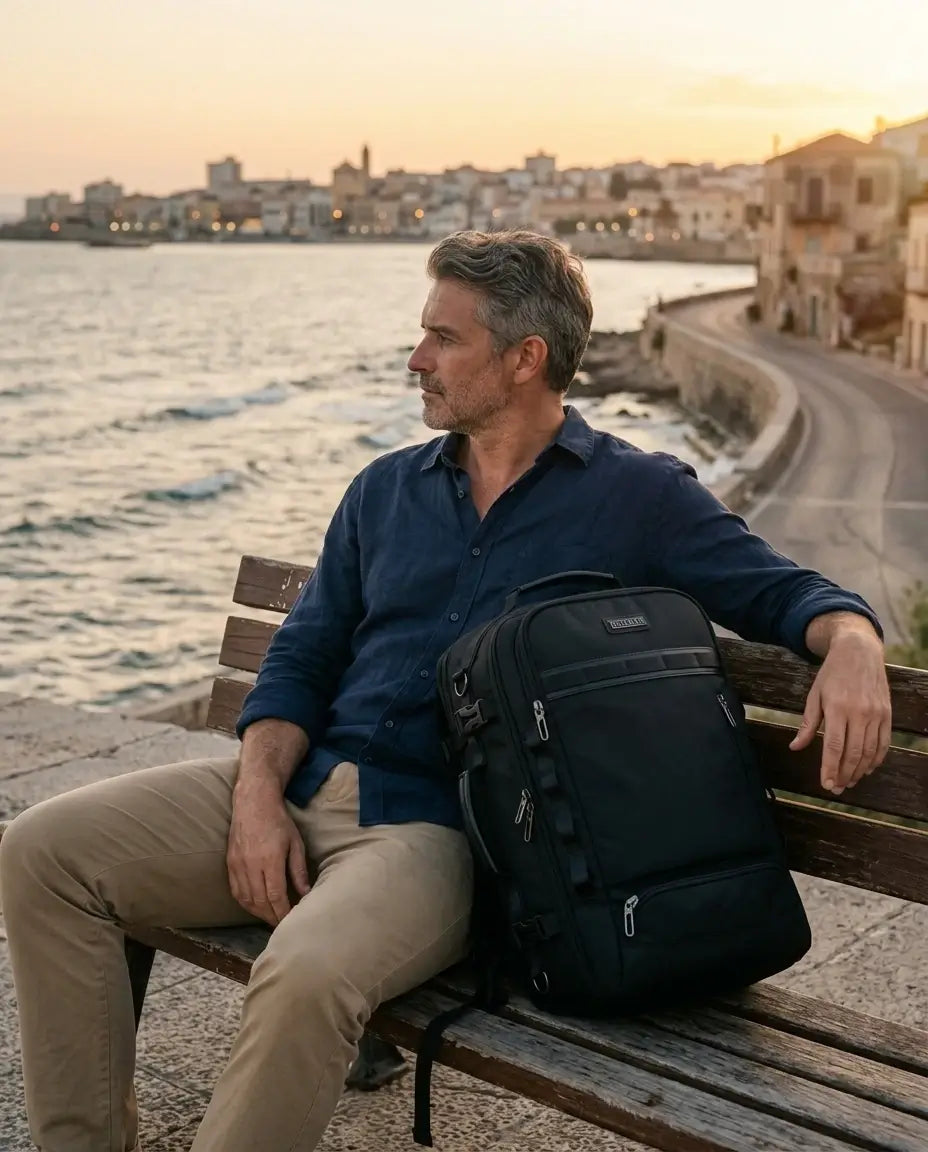
If you travel for work even a few times a year, you’ve probably experienced this moment: the meeting ends early, the weather is good, and suddenly you have a free afternoon in a city you’ve never explored. That’s where bleisure travel—the blend of business and leisure—really starts to make sense.
But bleisure travel works best when your packing strategy supports it. If your bag is overloaded with formal gear or poorly organized, that free afternoon can quickly turn into frustration. After years working around travel gear—and spending a fair amount of time in airports, hotels, and unfamiliar downtowns myself—I’ve learned that packing for bleisure is less about bringing more and more about packing with intention.
This guide breaks down a practical bleisure packing list and explains how to organize a carry on travel backpack so it works equally well for meetings, flights, and exploring a city after hours.
Understanding What Bleisure Travel Really Requires
Before talking about specific items, it helps to understand what makes bleisure travel different from either a pure business trip or a pure vacation.
A traditional business trip tends to focus on efficiency and professionalism: laptop, formal clothing, documents, maybe one change of casual clothes.
A leisure trip, on the other hand, often prioritizes comfort and flexibility: casual outfits, personal items, and gear for walking around or relaxing.
Bleisure sits somewhere in the middle. Your men’s travel backpack needs to support both modes without forcing you to repack every time your schedule shifts.
In practical terms, that means:
-
A structured travel backpack with compartments so work items stay organized
-
Clothing that can move between professional and casual environments
-
Minimal but reliable tech gear
-
A layout that allows quick access to essentials during travel
The goal isn’t to carry everything. The goal is to reduce friction between work and personal time.
Choosing the Right Backpack for Bleisure Travel
The backpack itself plays a bigger role than most people expect.
A lot of travelers start with a gym backpack or a basic commuter bag. Those can work for daily use, but once you start flying regularly or spending full days moving between meetings and city streets, the limitations show up quickly.
A practical bleisure travel backpack usually falls into the 30–40L range. Many people find a 40L travel backpack hits the balance point: large enough for clothing and tech, but still acceptable as a carry on travel backpack on most airlines.

More important than capacity, though, is layout. A good travel backpack with laptop compartment should have:
-
A padded laptop sleeve positioned close to your back
-
Separate zones for clothing and electronics
-
Quick-access pockets for passport, phone, and boarding pass
-
Durable materials that can handle airports and city sidewalks
These details sound small, but they make a big difference during long travel days.
Work Essentials: The Core of a Business Travel Setup
The first category in any bleisure packing list is work gear. Even if you’re planning to explore the city afterward, the business part of the trip still needs to run smoothly.
Laptop and Digital Equipment
Most business travelers carry a laptop, but the rest of the tech setup can vary depending on how you work.
A typical business travel backpack setup includes:

-
Laptop (usually 13–16 inches)
-
Compact charger
-
One or two charging cables
-
Noise-canceling headphones
-
Portable power bank
-
Small tech pouch
Keeping these items together in a single organizer helps avoid the common problem of cables and adapters disappearing into the bottom of your bag.
From experience, the tech pouch approach saves time during airport security checks and during meetings when you need to quickly plug in.
Documents and Professional Essentials
Even in a digital world, certain physical items still matter on business trips.
Common items include:
-
Passport or ID
-
Boarding passes or travel confirmations
-
Business cards
-
A slim notebook and pen
These items are best stored in an easily reachable pocket. On a well-designed carry on backpack, the front or top pocket is usually the most practical place.

It’s worth avoiding overly deep pockets here. Digging around for your passport while standing in a security line isn’t anyone’s favorite travel memory.
Clothing: Packing for Professional and Casual Settings
Clothing is where many travelers overpack. It’s understandable—you want to be prepared—but bringing too many options usually leads to unnecessary weight.
A simpler approach is to focus on versatile clothing that works in multiple settings.
Shirts and Upper Layers
A balanced bleisure clothing setup might include:
-
One or two collared shirts suitable for meetings
-
One casual but clean-looking shirt or polo
-
One lightweight jacket or overshirt
Neutral colors tend to work best because they mix easily with different outfits.
If your schedule includes client meetings or presentations, bringing an extra shirt is often safer than relying on hotel laundry services.
Pants and Everyday Wear
For most short bleisure trips, two pairs of pants are usually enough:
-
One pair of trousers appropriate for business settings
-
One pair of comfortable casual pants or dark jeans
This combination keeps your men’s travel backpack lighter while still giving you options.
In practice, many experienced travelers also choose wrinkle-resistant fabrics. They pack more easily and look presentable even after several hours inside a backpack.
Undergarments and Basics
This part is straightforward but important.
A good rule is:
-
Underwear and socks for each day of travel
-
One additional spare set
Packing cubes can help keep these items organized inside a travel backpack with compartments, especially when sharing space with electronics and documents.

Shoes: The Item Most People Overpack
Shoes are bulky, so every extra pair takes valuable space.
If possible, try to bring one versatile pair that works in both business casual environments and casual walking situations. Many modern leather sneakers or minimalist travel shoes are designed for exactly this purpose.
If you do bring a second pair, store them in a dedicated shoe compartment or a simple shoe bag. This keeps clothing clean and prevents the interior of your carry on travel backpack from getting dirty.
Toiletries and Personal Care
Toiletries don’t require much space, but organization helps.
A compact toiletry kit typically includes:
-
Toothbrush and toothpaste
-
Deodorant
-
Small grooming items
-
Travel-size shampoo or body wash
-
Skincare basics
Most frequent travelers eventually settle on a small kit that stays packed between trips. That habit alone can save time before early morning flights.
Another small tip: keep liquids inside a sealed pouch. Airport pressure changes sometimes cause bottles to leak, and it’s easier to protect your clothes than to clean them mid-trip.
Leisure Essentials: Making the Most of Free Time
The leisure side of bleisure travel is what makes these trips enjoyable. Even a few hours of free time can change how a trip feels.
Items that support this part of the experience might include:
-
Sunglasses
-
A small camera or smartphone tripod
-
A foldable tote or sling bag
-
A book or e-reader
These items are lightweight but add flexibility when you’re exploring a new place after work.
Some travelers also pack lightweight workout clothing if the hotel has a gym. Others prefer comfortable walking gear for exploring neighborhoods on foot.
How to Organize Your Backpack for Efficient Travel
Packing the right items is important, but how you organize them matters just as much.
A practical layout inside a carry on travel backpack for men often follows this pattern:
Top pocket
– Passport
– Phone charger
– Earbuds
Laptop compartment
– Laptop
– Tablet or notebook
Main compartment
– Clothing
– Packing cubes
Secondary compartment
– Toiletry kit
– Shoes or extra clothing
Front pocket
– Travel documents
– Notebook and pen
This arrangement allows quick access to essentials without disturbing the rest of your bag.
A Realistic Bleisure Packing Checklist
To bring everything together, here’s a simplified bleisure packing list that works for many short trips.
Work essentials
-
Laptop
-
Charger and cables
-
Headphones
-
Notebook and pen
-
Travel documents
Clothing
-
2 shirts for business settings
-
1 casual shirt
-
1 lightweight jacket
-
2 pairs of pants
-
Underwear and socks
-
Sleepwear
Shoes
-
One versatile pair (worn during travel)
-
Optional second pair
Toiletries
-
Toothbrush and toothpaste
-
Deodorant
-
Basic grooming kit
Leisure items
-
Sunglasses
-
Small bag for day trips
-
Book or e-reader
This setup usually fits comfortably inside a 40L travel backpack without feeling overloaded.

Final Thoughts: Bleisure Travel Is About Balance
Bleisure travel isn’t about squeezing a vacation into a work schedule. It’s about making work trips feel more human.
When your backpack is organized well, you spend less time worrying about logistics and more time enjoying the places you visit—even if it’s just a quick walk through a neighborhood before dinner.
After many trips and plenty of trial and error, one lesson stands out: the best business travel backpack isn’t the one with the most features. It’s the one that quietly supports your routine without getting in the way.
If your bag can carry your laptop into a meeting in the morning and your essentials for a city walk in the evening, then it’s doing exactly what a good bleisure travel backpack should do.
And in the end, that’s what makes work trips feel a little less like work.

Share:
Bleisure Packing List: How to Prepare Your Backpack for Work & Play
How to Adjust Your Backpack for Perfect Comfort and Fit