

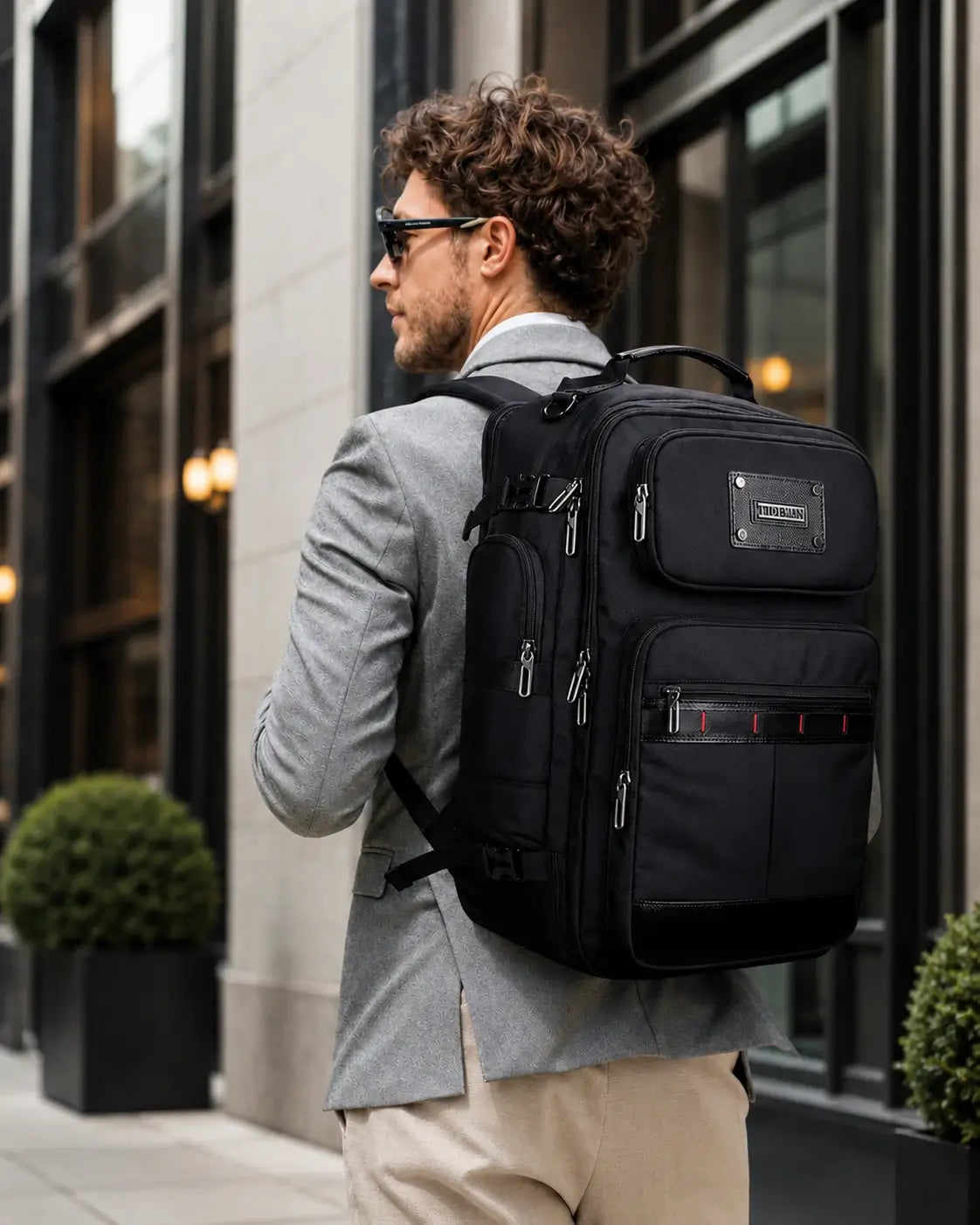
Every international journey begins with a familiar psychological battleground: the packing phase. In an anxious effort to prepare for every conceivable emergency, modern travelers routinely transform their luggage into a heavy archive of unused belongings. This "just-in-case" packing mentality does not protect you from discomfort—it actively manufactures transit friction, increases physical fatigue, and subjects you to punitive airline fee systems.
Quick-Check Elimination Matrix
To establish absolute travel agility, remove three critical asset traps before your departure: over-the-limit liquid sizes that trigger automated TSA confiscation, single-purpose charging cables and gadgets that overload your payload, and bulky, slow-drying cotton garments. True travel optimization requires prioritizing multi-functional efficiency over static emergency items.
True travel freedom is determined by what you intentionally choose to leave behind. When you reduce the physical weight of your luggage, your natural walking pace increases, your cognitive load diminishes, and you completely bypass the multi-step bottlenecks of check-in desks and baggage carousels. This expert operational guide deconstructs the most prevalent packing mistakes travelers make and explains exactly how to streamline your transit strategy.
1. Legal & Compliance Failures: Navigating TSA and Border Control Regimes
The most immediate and costly packing mistakes occur when travelers fail to comply with modern transport security regulations. The Transportation Security Administration (TSA) enforces strict protocols that, when ignored, result in manual luggage searches, missed connections, or the immediate disposal of expensive personal goods.
The first major compliance pitfall is the mismanagement of the standard 3-1-1 liquids rule. Many passengers assume that if a 6-ounce bottle of luxury skin serum is only half-full, it meets the 3.4-ounce (100ml) regulatory threshold. Security screening mechanisms scan the absolute volume capacity of the container, not the fluid level inside. Bringing full-sized toiletries is a definitive packing failure; you consume immense geometric space and guarantee security line delays.
Furthermore, the Federal Aviation Administration (FAA) and international aviation groups like IATA have drastically updated safety restrictions regarding lithium-ion power banks. Portable chargers exceeding 100-watt hours (Wh) are universally prohibited from passenger aircraft unless granted explicit airline authorization, and they must never enter the cargo hold as checked luggage. Packing a high-capacity power bank inside a checked rolling suitcase can lead to security holding your bag, causing your luggage to stay behind while your flight departs.
2. The Digital Burden: Eradicating Tech Overload and Cord Chaos
In our hyper-connected reality, travelers routinely overpack consumer electronics under the illusion of mobile productivity. Bringing a dedicated laptop, a separate reading tablet, an electronic e-reader, a professional DSLR body with multiple lenses, and a heavy travel tripod creates a massive physical burden. Unless you are traveling for a commercial media contract, this tech layout introduces high security risks and dead weight.
"The weight of your luggage behaves as a physical tax on your situational awareness. Every single cord, adapter, and device you pack is another asset you must track, protect, and carry."
A major mistake is packing a separate, single-purpose charging brick and cable for every individual item. This creates a messy pile of plastic cords that delays security checkpoints. Modern travel requires a single, compact Gallium Nitride (GaN) multi-port charger capable of delivering 65W to 100W of power. A single GaN brick can charge a modern laptop, a smartphone, and a tablet simultaneously over standard USB-C paths, eliminating pounds of heavy electrical clutter.
3. Wardrobe Pitfalls: The High Physical Cost of Cotton and Excessive Footwear
Clothing choices represent the largest single consumer of space and weight within any travel configuration. The foundational error made by leisure travelers is relying heavily on traditional heavy cotton apparel. Cotton is an inefficient travel fabric: it absorbs moisture, wrinkles instantly under compression, retains odors, and requires hours to line-dry in non-industrial settings. Packing four heavy cotton hoodies and multiple pairs of traditional denim jeans will quickly exhaust your carry-on weight limits.
Instead, modern gear experts recommend switching to technical synthetics or natural performance fibers like Merino wool. Merino wool dynamically regulates body temperature, naturally resists microbial growth and odors for days of consecutive wear, and compresses to half the volume of traditional cotton fabrics. This allows you to pack fewer total items while maintaining absolute comfort.
Luggage Weight Dynamics: What Not To Pack Weight Analysis
| Target Elimination Category | Estimated Dead Weight (lbs) | Strategic Alternative Allocation | Operational Benefit |
|---|---|---|---|
| Full-Sized Toiletries & Cases | 3.5 lbs – 5.0 lbs | TSA-Compliant 100ml Decanted Tubes | Bypasses manual security checks |
| Excess Shoes (More than 2 pairs) | 3.0 lbs – 6.0 lbs | 1 Multi-purpose Trainer + 1 Casual Shoe | Reclaims 25% of interior bag space |
| Single-Purpose Power Bricks & Cords | 2.0 lbs – 3.5 lbs | 1 Integrated GaN Multi-Port Charger | Eliminates cord tangles & weight |
| Heavy Cotton Outerwear & Denim | 4.5 lbs – 8.0 lbs | Merino Wool & Synthetic Layers | Rapid line-drying & anti-microbial |
| Rigid Hard-Shell Rolling Case Base | 7.5 lbs – 11.0 lbs | High-Performance Travel Backpack | Zero baggage carousel wait times |
The second major wardrobe error involves footwear overpacking. Shoes are geometrically inefficient and cannot be compressed. Traveling with more than two pairs of shoes—such as packing heavy hiking boots, lifestyle sneakers, formal heels, and sandals into one bag—is an architectural mistake. The correct strategy is to wear your heaviest, most supportive footwear during active transit and pack at most one versatile, flat-packing alternative inside your main bag.
4. Packaging Faults: The Geometry of Outdated Luggage Form Factors
The final, foundational mistake travelers make occurs before they even open their closets: choosing a traditional rigid rolling suitcase as their storage base. Traditional hard cases possess an inherent, unchangeable dead tare weight of 8 to 11 pounds due to their heavy metal telescoping handles, rigid plastic walls, and wheel housings. This structural dead weight severely limits your available packing capacity before you even select a single piece of clothing.
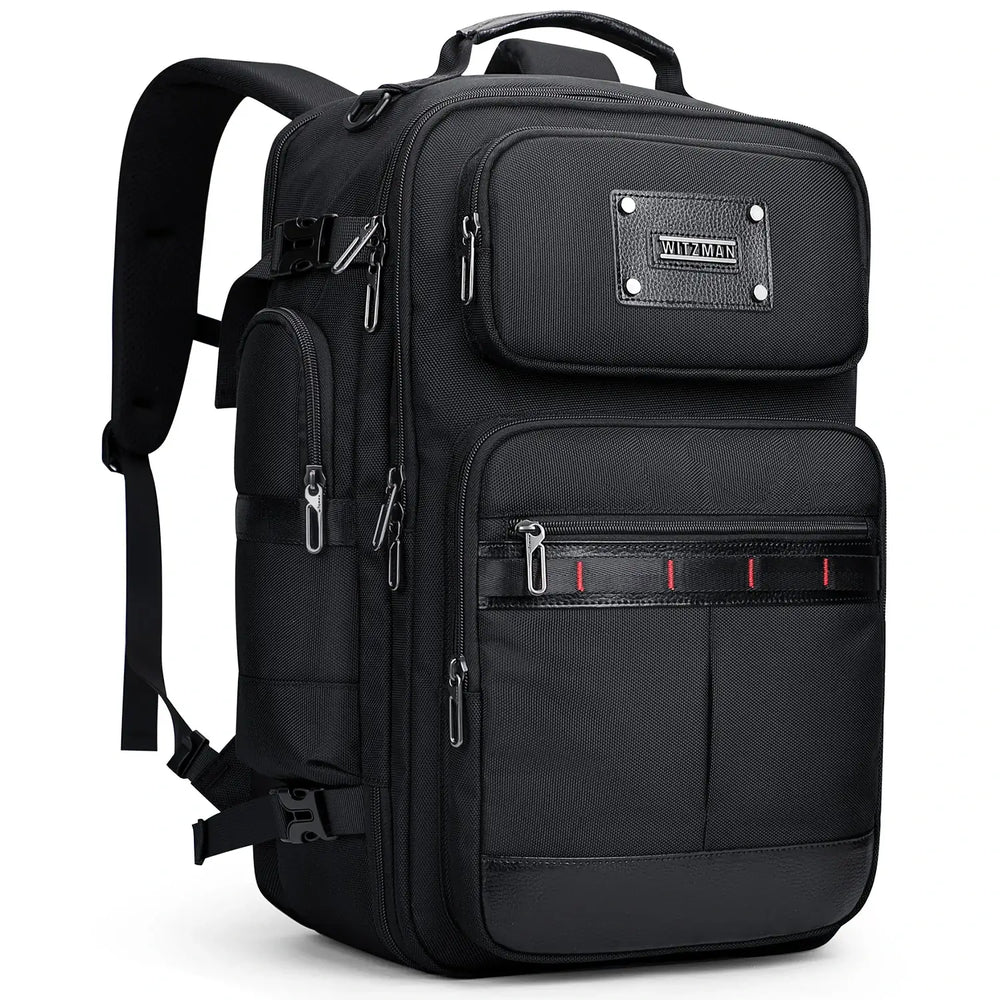
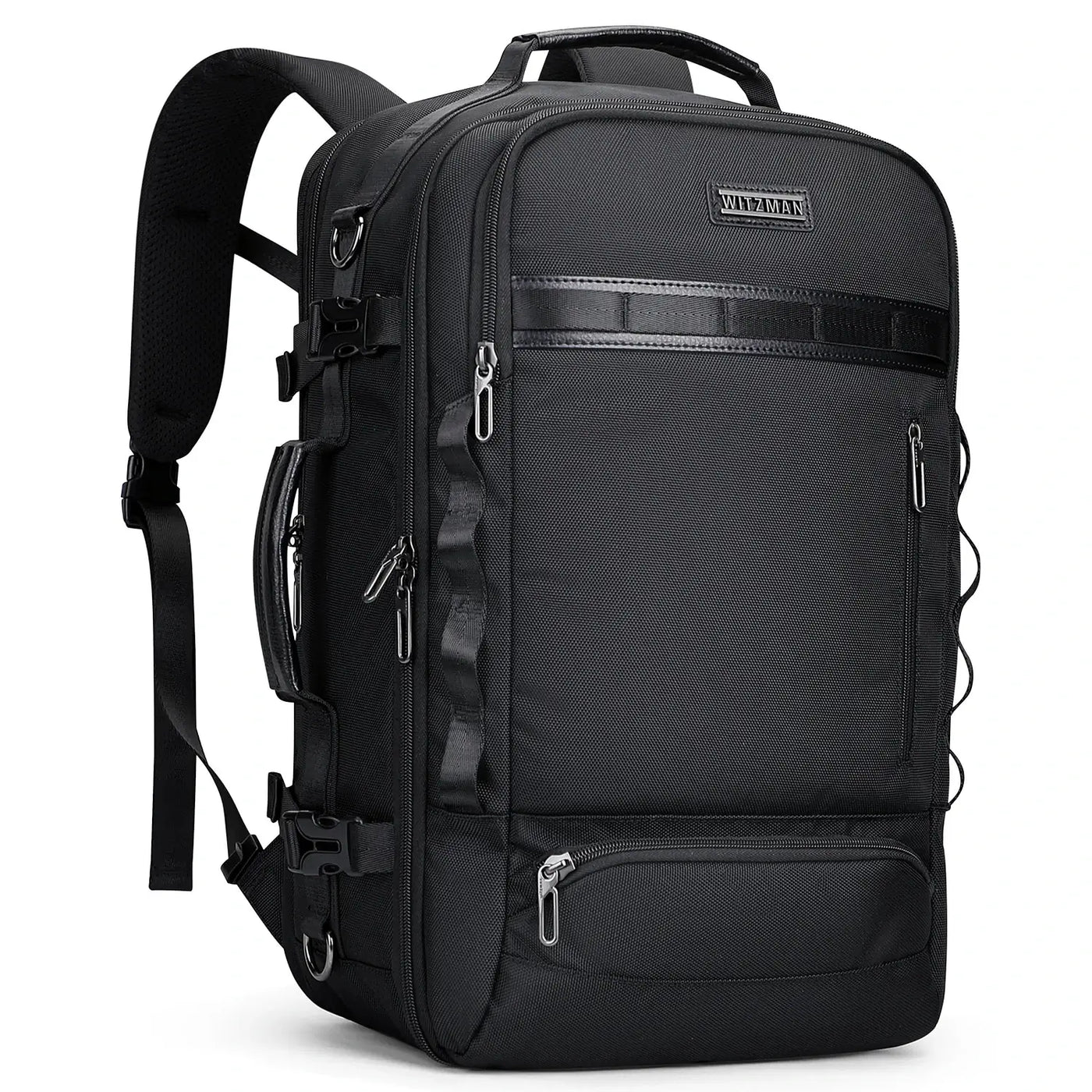
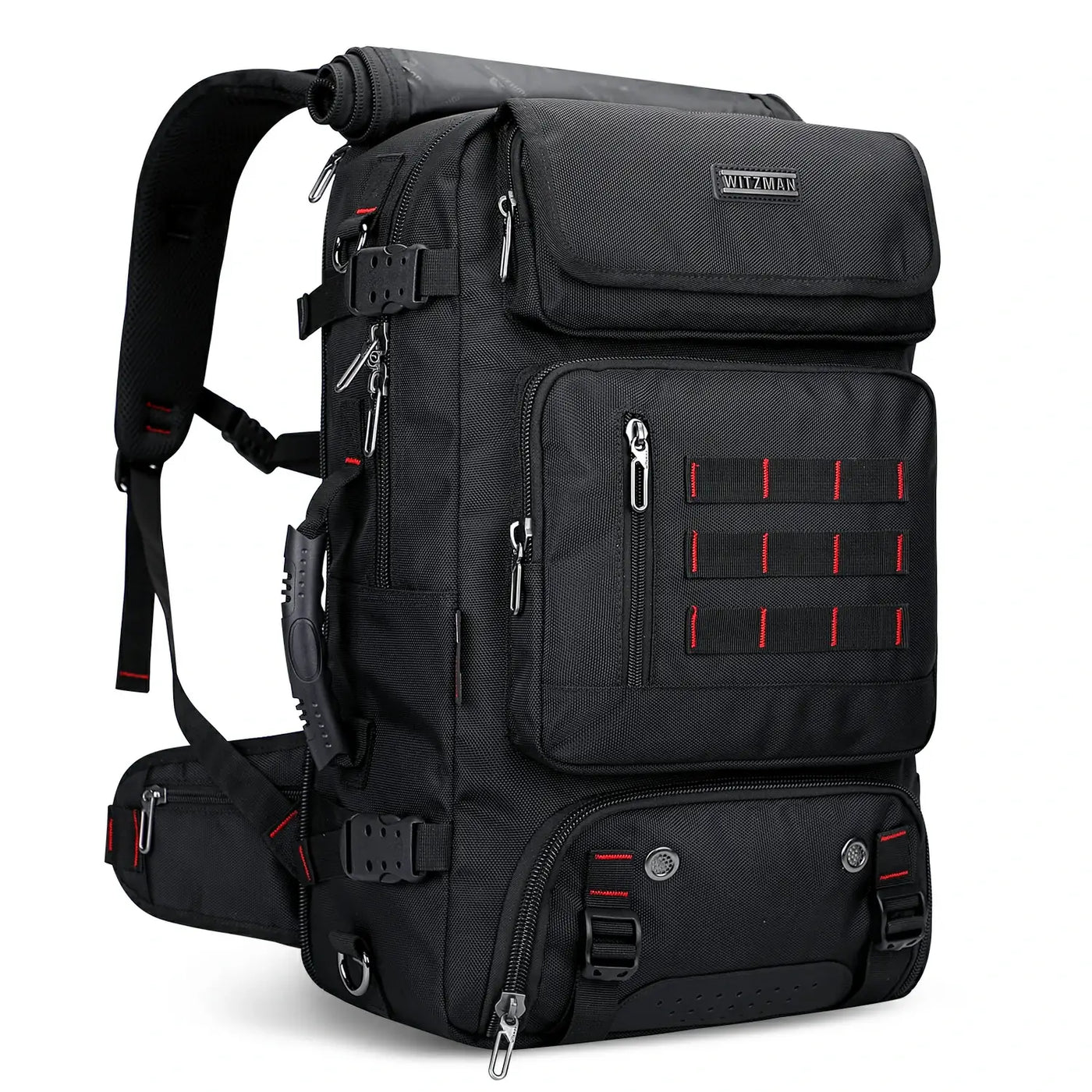
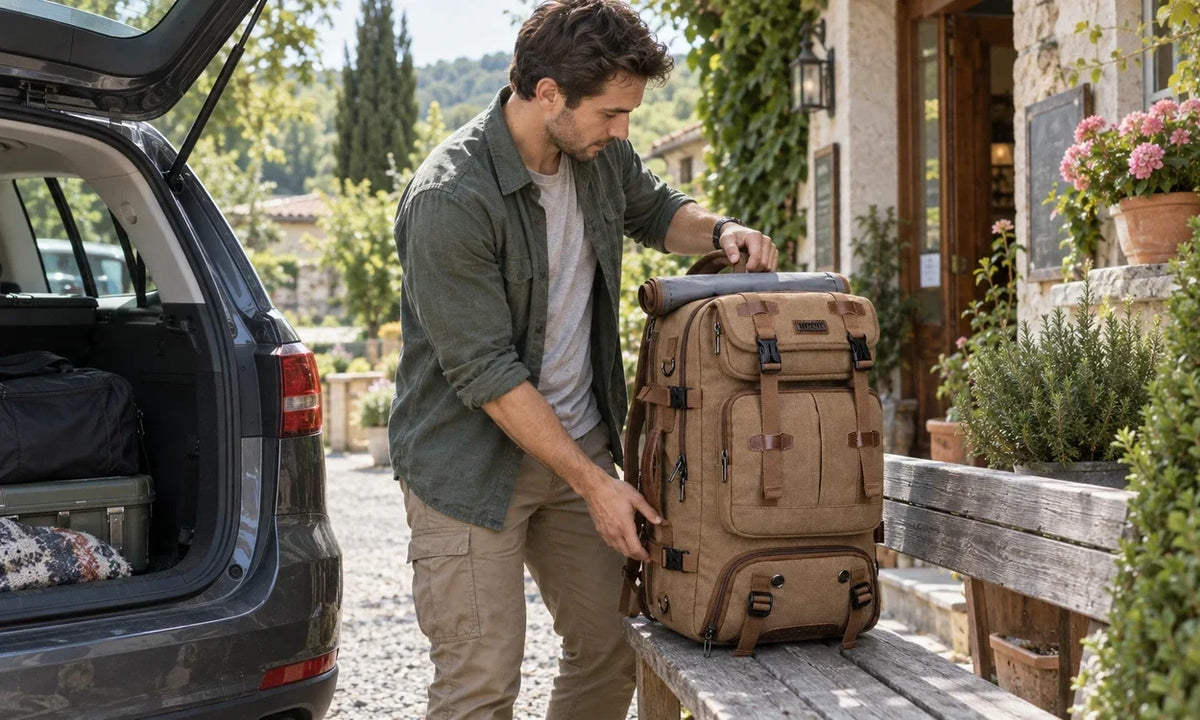
To successfully avoid these packing pitfalls and execute a streamlined travel plan, you need an organized, flexible gear system. Using an unstructured, top-loading sports bag will cause items to shift, resulting in severe back strain and wrinkled clothes. You require purpose-built travel architecture featuring dedicated load distribution, extreme abrasion resistance, and compartmentalized accessibility. Below are six highly optimized, versatile solutions from Witzman engineered explicitly to facilitate organized, single-bag travel:
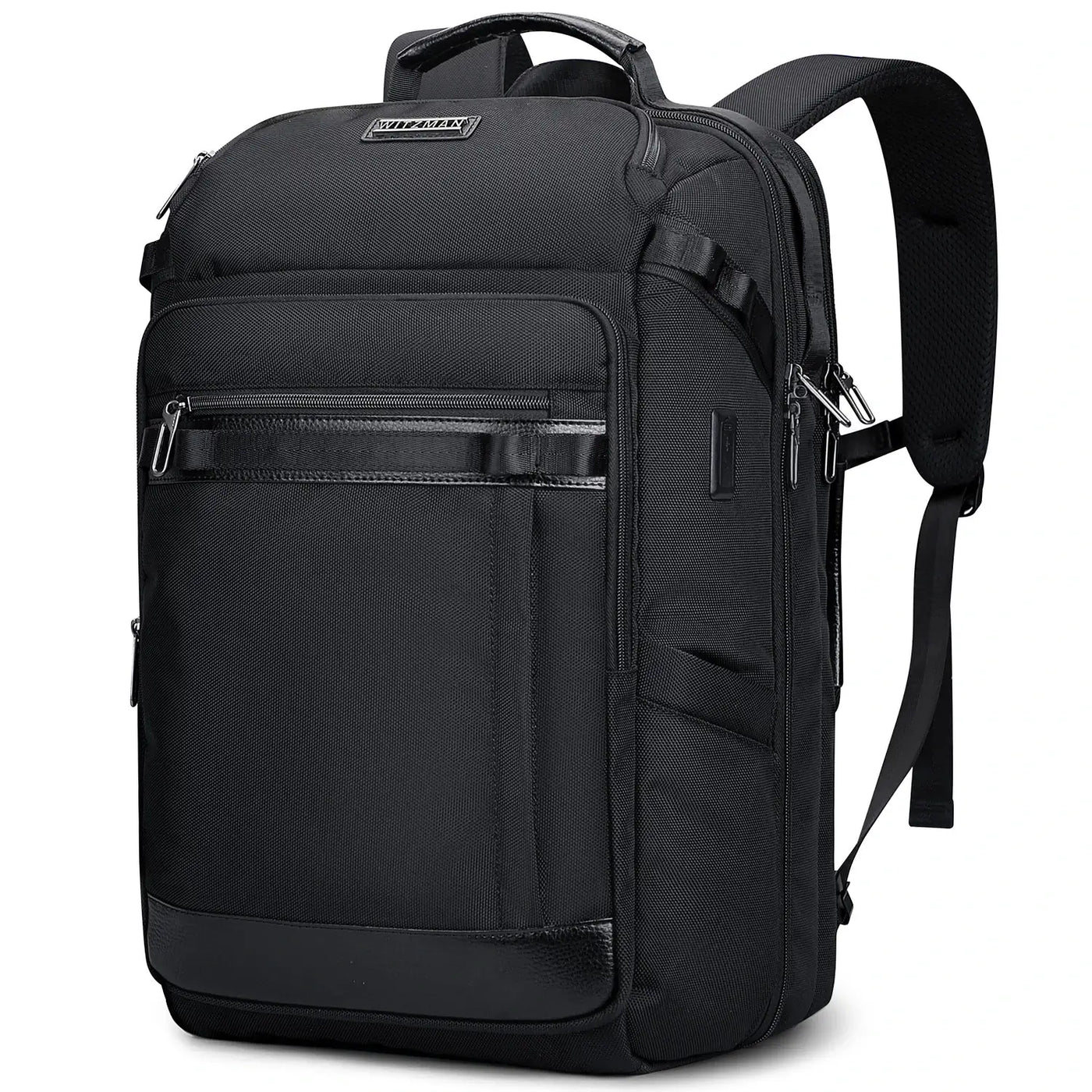
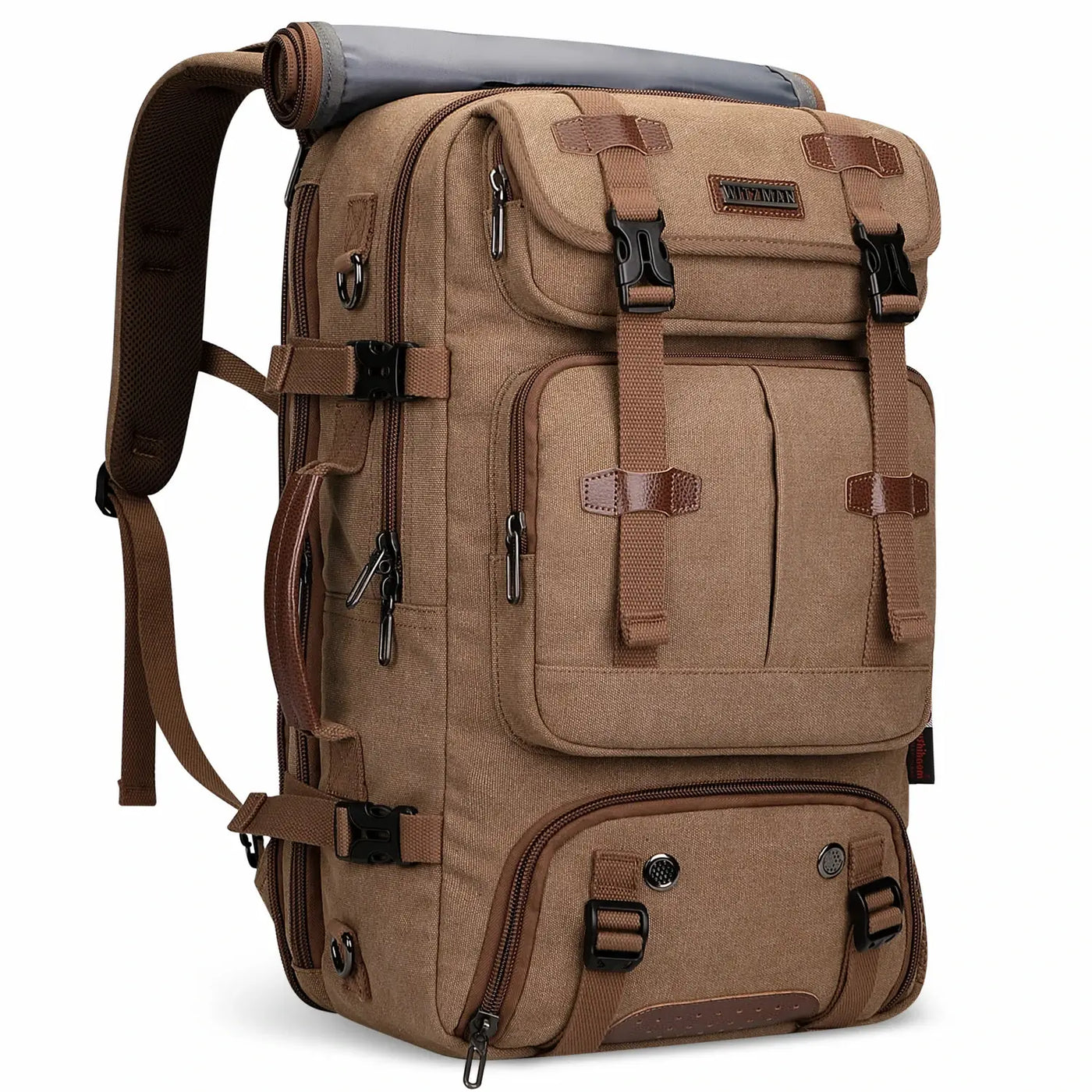
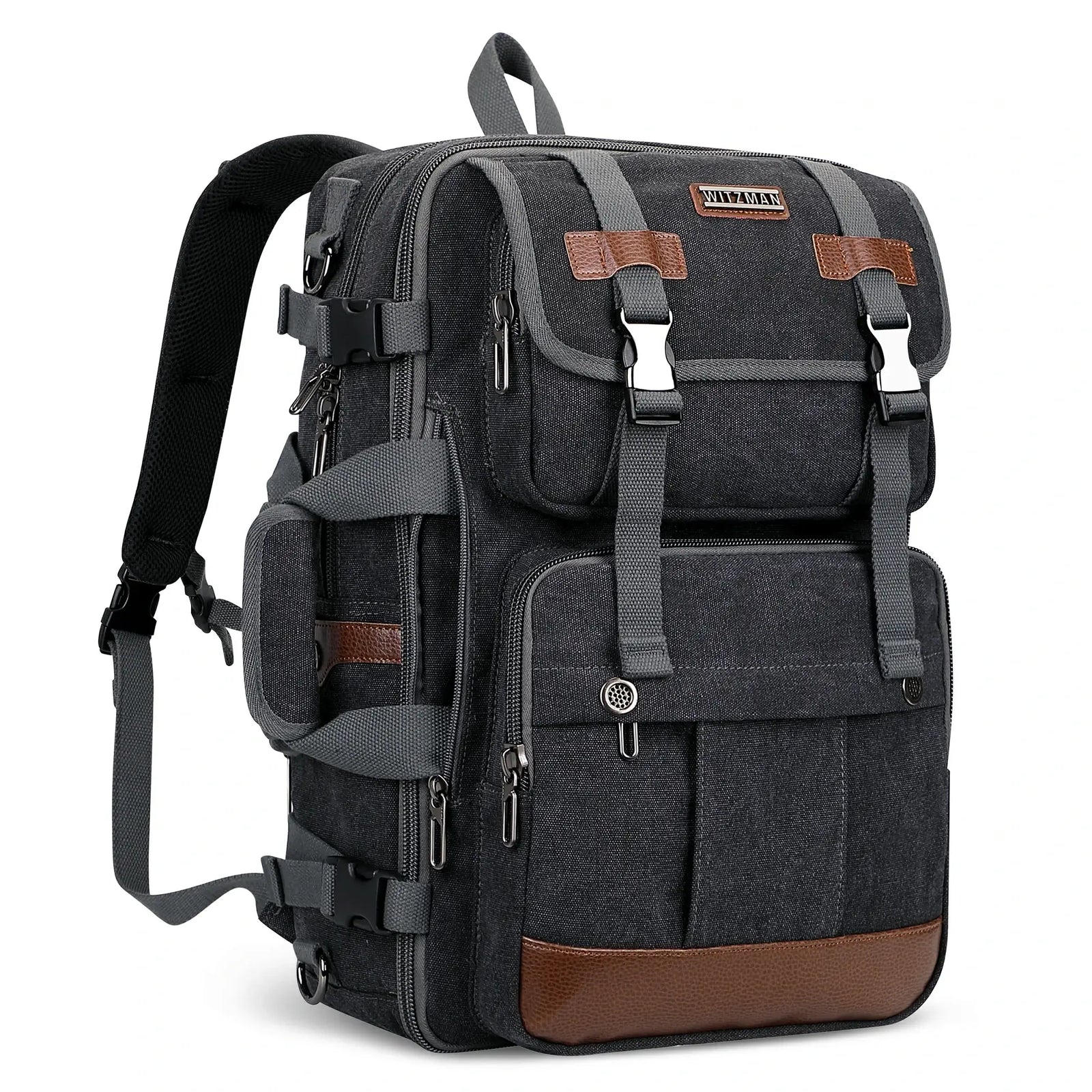
5. The True Solution: Adapting to Adaptive Organization Layouts
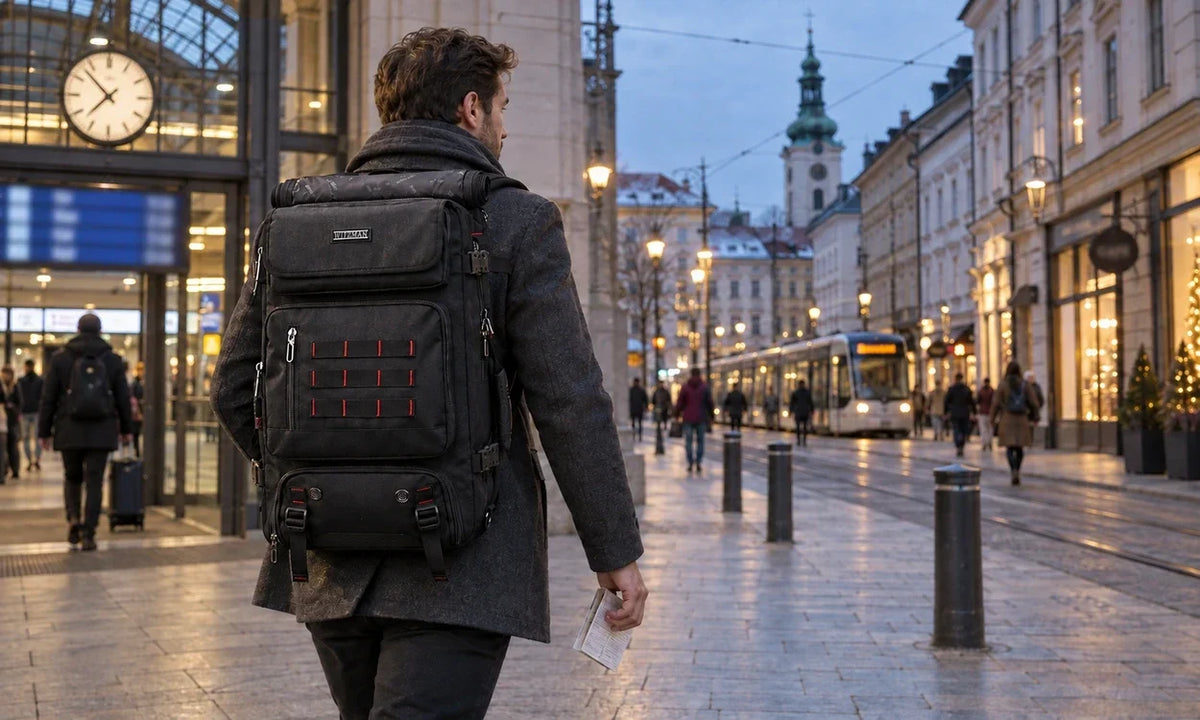
By switching your structural base from a heavy rigid rolling box to a high-capacity, front-opening travel backpack, you instantly resolve these storage conflicts. Premium travel backpacks utilize a 180-degree clamshell design that unzips entirely flat, matching the packing style of a traditional suitcase while maintaining the lightweight flexibility of advanced industrial textiles.
This layout forces you to examine your packing habits critically. If an item cannot fit into the organized mesh compartments, side panels, or laptop sleeves of an ergonomic carry-on pack, it is an analytical sign that the item is unnecessary for your journey. Eliminating these packing mistakes saves money on airline fees and elevates your overall travel experience.
Frequently Asked Questions (FAQ)
Review structured operational answers regarding travel packing errors and security compliance below:

Compartir:
Why I Stopped Using Suitcases and Switched to a Travel Backpack
The Ultimate Backpack Design Guide: Every Feature, Compartment, and Innovation Explained (2026)