

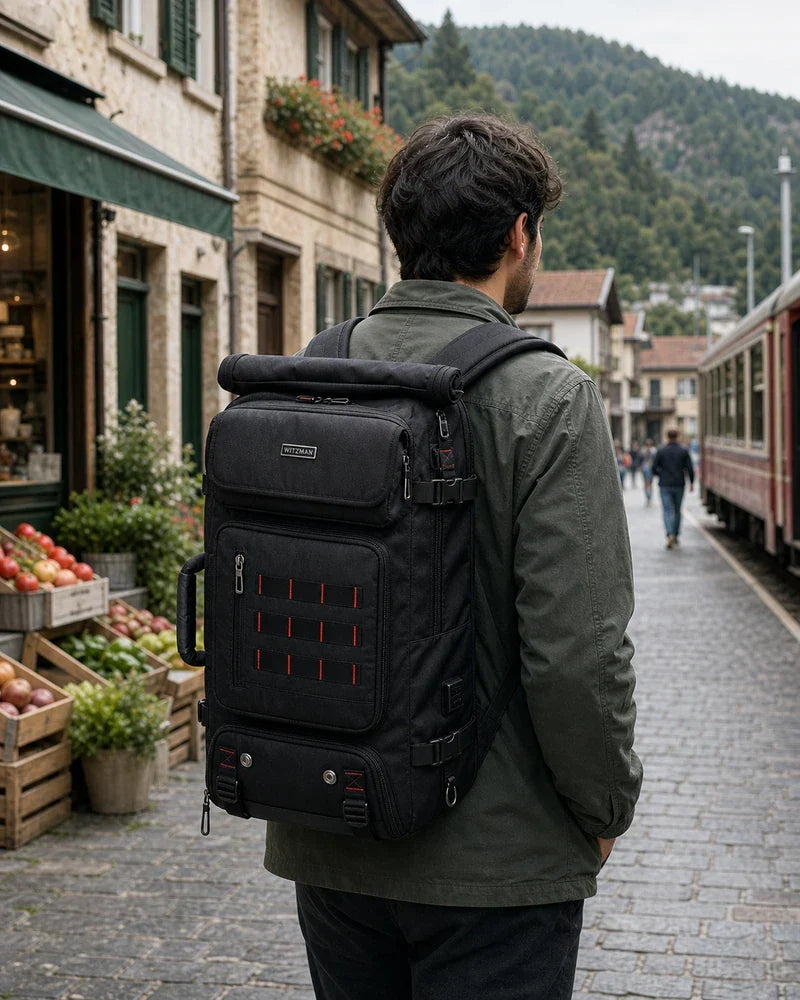
Slow travel is the art of staying long enough in one country to understand its everyday rhythm. Instead of racing through a list of cities, you build a temporary home base, learn the local transport system, repeat small routines, and let markets, train rides, neighborhood walks, and unplanned recommendations shape the trip. It is a better fit for travelers who want depth, less transit stress, and a more natural connection to place.
Quick Answer: The One-Country Slow Travel Method
To explore one country like a local, choose one region first, stay several nights in each base, use trains or buses for day trips, shop where residents shop, and keep at least one open day for every three planned days. Pack around a repeatable system: one main travel backpack, one smaller daily bag, and a tidy toiletry setup. The goal is not to see less; it is to stop wasting energy on constant arrivals.
Key Takeaways for Slower, Better Travel
- Plan by base cities and local travel radius, not by a chain of one-night hotel stops.
- Use a three-layer rhythm: anchor routines, day trips, and open discovery time.
- Pack for one practical week, then use laundry instead of carrying an entire trip wardrobe.
- Keep transport days light: main bag for movement, small crossbody bag for daily life.
- A slow travel guide should help you live inside the destination, not just move across it.
A Different Kind of Itinerary
Most travel itineraries are written like a race: breakfast here, museum there, train at 14:10, dinner across town, repeat tomorrow. That can work for a short city break, but it rarely helps you understand a country. Slow travel needs a different structure. It starts with the question, "What would make this place feel familiar by the end of the week?"
That question changes the shape of the trip. You stop treating a country as a checklist and start treating it as a series of local rhythms. A bakery becomes part of the morning. A regional train line becomes the spine of your itinerary. A grocery store, laundromat, public square, park, and cafe become as useful as famous landmarks. The trip becomes easier to remember because it has ordinary details, not only highlights.
Recent travel writing around slow travel keeps returning to the same idea: depth matters. Slow travel is often described as staying longer, moving by train or on foot when possible, and spending more time connecting with place and people. That does not mean every traveler needs a month away. Even a one-week trip can feel slower if you build it around fewer bases and better routines.

A strong slow travel plan starts with one base, a local route map, and enough open space to adjust after arrival.
The Local Radius Plan
Instead of asking how many cities you can visit, draw three circles around your base. The first circle is your daily neighborhood. The second is your half-day radius. The third is your full-day trip radius. This approach keeps the trip flexible while preventing the common mistake of spending too much time in transit.
| Radius | What belongs here | How to use it |
|---|---|---|
| Daily neighborhood | Cafe, grocery store, market, park, laundromat, evening walk | Repeat these places until the base feels familiar |
| Half-day radius | Nearby museum, old town, beach, garden, viewpoint, food district | Use for relaxed mornings or low-energy afternoons |
| Full-day radius | Train town, mountain village, coastal route, wine area, regional trail | Plan only a few so travel days still feel special |
This structure is more useful than a fixed hour-by-hour schedule because it gives you options. If weather changes, choose the museum. If the market is lively, stay longer. If you hear about a nearby town from someone local, swap it into the full-day radius. The trip remains planned, but not trapped.
Day 1 Is Not for Sightseeing
The first day of slow travel should be boring in the best possible way. Arrive, unpack, buy water and breakfast supplies, check the nearest transit stop, walk without a destination, and eat close to where you are staying. This small reset prevents the trip from starting in a rush.
It also gives you practical information. You learn whether the streets are easy with luggage, whether your base is noisy, where the closest pharmacy is, how late restaurants open, and how long it really takes to reach the station. These details make the rest of the stay smoother.
Days 2-3: Add One Anchor Each Day
For the next two days, choose one anchor experience per day. An anchor might be a museum, a walking route, a local food tour, a historic area, a beach morning, or a train ride to a nearby town. Keep the rest of the day soft. Leave room for a long lunch, a second visit to a market, or a slow walk back through a different neighborhood.
This is where slow travel begins to feel different. You are still seeing the country, but you are not stacking five separate attractions into every day. You are giving each place enough room to breathe.
Days 4-7: Let the Country Answer Back
By the fourth day, you know more than you did while planning from home. You know which train line is easy, which area feels good at night, what meal times actually look like, and whether your original itinerary was too ambitious. Use that knowledge.
Choose one or two day trips, return to one place you liked, and add one experience you did not know about before arrival. This is the difference between travel that is merely efficient and travel that feels alive. The itinerary becomes a conversation with the country instead of a script you force onto it.
What to Pack for One-Country Slow Travel
Slow travel rewards a lighter, more organized setup. You may be away for longer, but you do not need to carry more if you plan for laundry and repeatable outfits. A practical system has three pieces: a main travel bag for movement days, a smaller bag for daily life, and a toiletry kit that stays organized across multiple bathrooms.
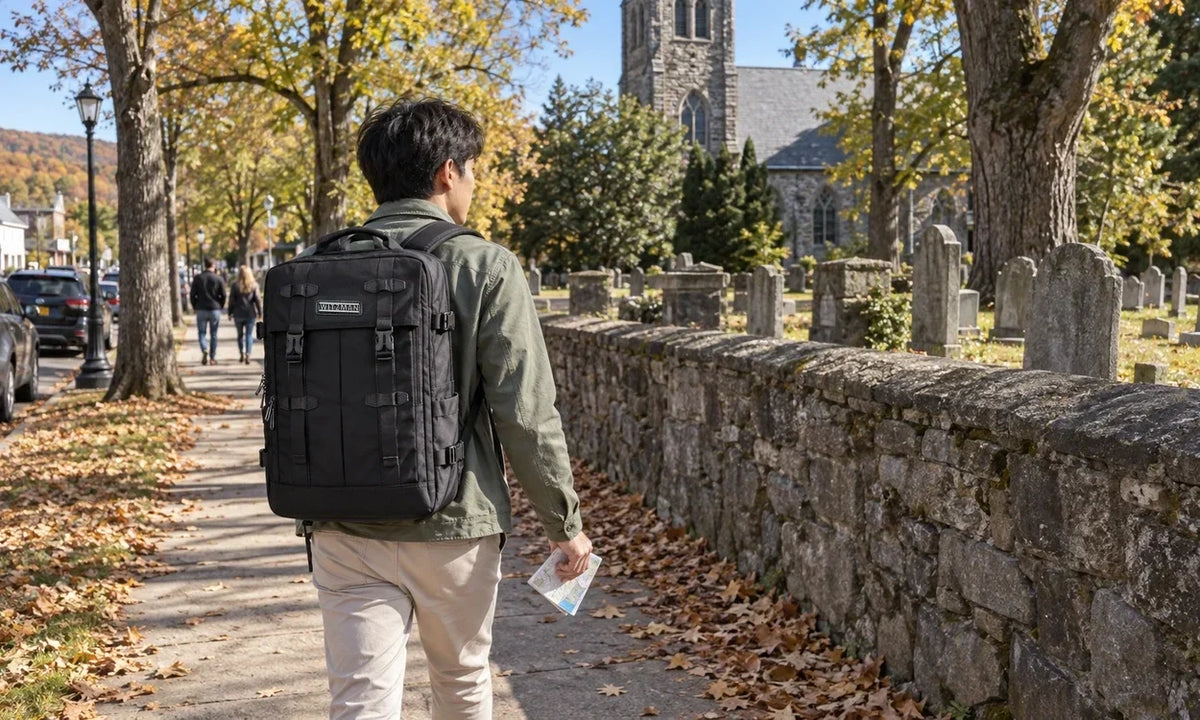
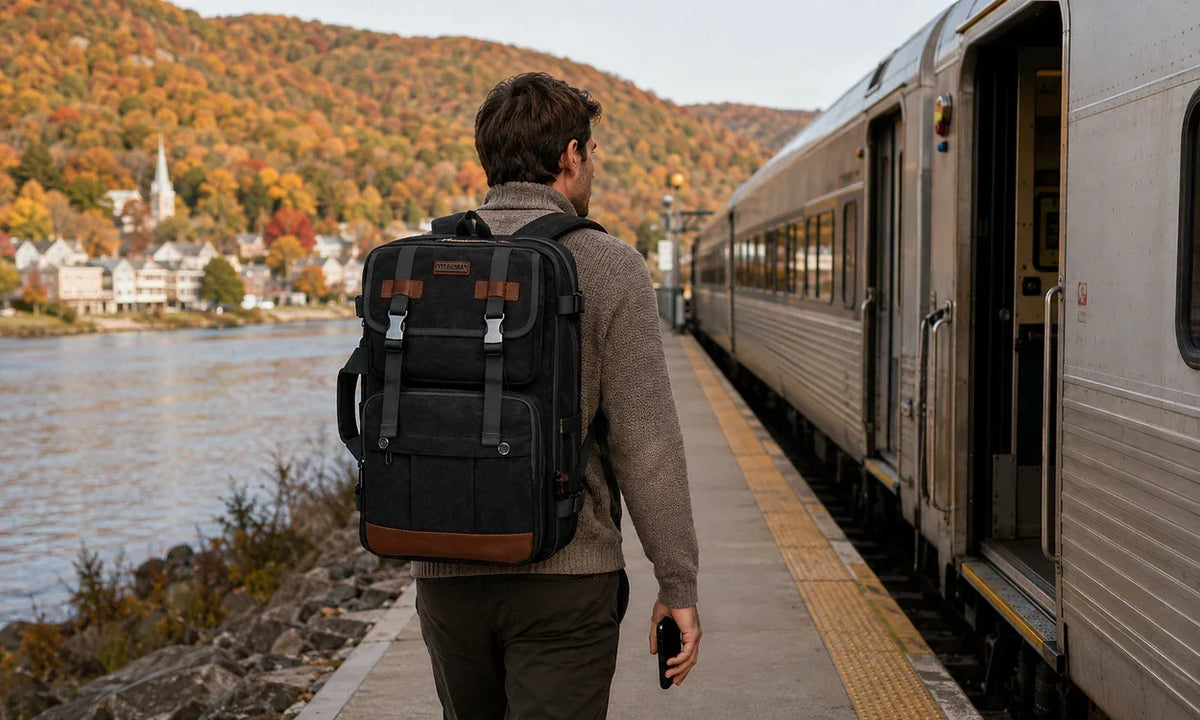
The Witzman B682 is a strong fit for this type of trip because the product knowledge base lists it as a 40L travel backpack with high-density nylon, zinc alloy zippers, 12.6 x 20.5 x 7.5 inch dimensions, and a 3-5 day travel range. For modern travelers using slow travel as a calmer way to explore, that means it can hold the core kit while laundry and local services extend the trip. The goal is not to pack for every possible situation; it is to carry the right structure so your routine stays easy.
Witzman Gear That Matches the Slow Travel Rhythm
These recommendations are selected by travel role: main movement, daily local carry, and repeated-stay organization.

Witzman B682 Carry-On Travel Backpack
Best for: base-to-base movement, train transfers, and a compact weekly packing system.
From USD 93.78

Witzman B699 Crossbody Bag
Best for: markets, cafes, local trains, transit cards, phone, wallet, and passport access.
From USD 38.76

Witzman B690 Hanging Toiletry Bag
Best for: hotel bathrooms, apartment stays, and keeping daily routines tidy.
From USD 39.86
The Packing Rule: One Week, Repeated
Pack as if you are preparing for one practical week, then repeat that week through laundry. Bring clothing that layers well, dries reasonably quickly, and works in the same color range. Bring comfortable shoes that can handle local streets. Keep tech simple: charger, adapter, power bank, and one cable pouch.
For toiletries, avoid loose bottles scattered through the main bag. A hanging toiletry organizer makes slow travel easier because you may move between hotels, apartments, guesthouses, and shared bathrooms. The fewer items you lose inside the room, the easier every departure becomes.
How to Feel More Local Without Pretending
The point is not to perform local life. The point is to participate respectfully in ordinary rhythms. Learn greetings. Use public transport outside rush hour until you understand it. Buy fruit from a market. Sit in a park without rushing to the next stop. Return to the same cafe twice. Ask one good question instead of collecting ten recommendations you will never use.
Slow travel is also a sustainability-minded choice when it reduces unnecessary flights and fast transfers. Staying longer in fewer places can keep more money in local hands and makes the trip less extractive. That does not make every slow trip automatically responsible, but it gives you a better starting point.
Expert Insight
The strongest slow travel itineraries are built around friction points, not attractions. Ask what will make the trip easier on the fourth day: laundry, a familiar station, a comfortable bag, a simple breakfast routine, and a flexible day-trip list. Once those are handled, the destination becomes much easier to enjoy deeply.
Frequently Asked Questions
How long should I stay in one place for slow travel?
Three nights is a useful minimum for a base, while five to seven nights gives you enough time to build routines and take day trips without rushing.
Can I slow travel if I only have one week?
Yes. Choose one region, stay in one main base, plan two anchor experiences, and leave the rest flexible. A slower one-week trip can feel richer than a rushed multi-city route.
What is the best bag setup for slow travel?
Use one structured travel backpack for transport days, one compact crossbody bag for daily movement, and one organizer for toiletries. This keeps the main bag packed and daily essentials easy to reach.
Should I book every activity before arrival?
No. Book essentials that may sell out, but leave open time. Slow travel improves when you can adjust to weather, energy, local advice, and the neighborhood you actually find.
Is slow travel cheaper?
It can be, especially when fewer transfers, apartment stays, local markets, and public transport replace constant hotel changes and long-distance transport. Costs still depend on destination and season.
In Summary
A good slow travel guide is not just a slower itinerary. It is a system for living inside one country for long enough to understand its daily rhythm. Choose fewer bases, move outward by local radius, pack a repeatable kit, and let the destination shape part of the plan after you arrive.
Conclusion
Exploring one country like a local is not about rejecting landmarks or planning less carefully. It is about choosing a rhythm that gives the country time to become familiar. With a practical base, open days, local transport, and a bag system that does not fight you, slow travel becomes calmer, more flexible, and far more memorable.

Share:
Business Travel Gift Guide: Bags and Gear for the Traveling Professional
Men in Business Travel: Professional Bags That Double as Weekend Gear