

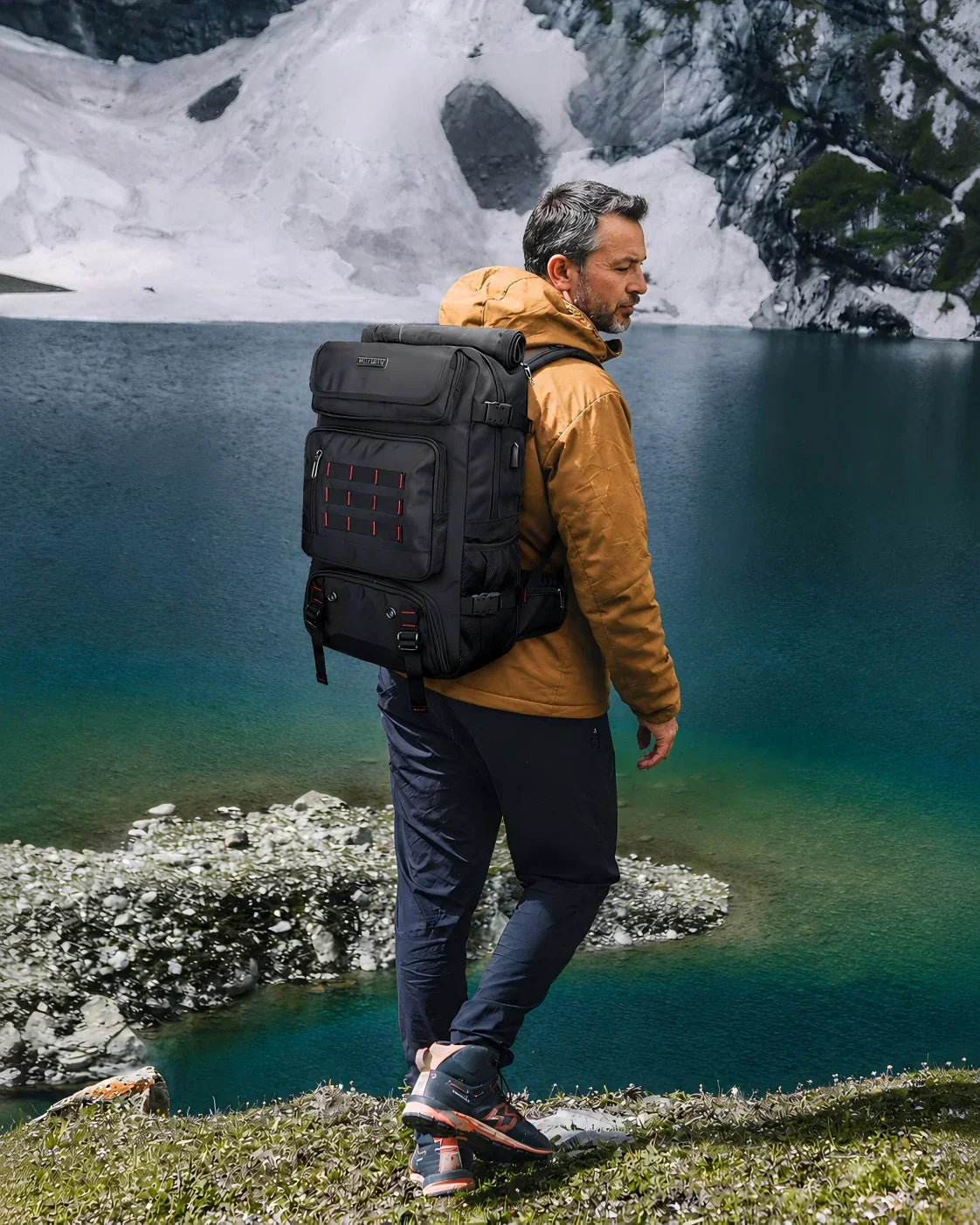
Adventure travel after 50 can be deeply rewarding, whether the trip involves hiking, cycling, wildlife viewing, kayaking, or a walking-focused itinerary. The safest approach is to choose an activity that matches your current conditioning, prepare gradually, carry medication and emergency information correctly, and build more recovery time into the schedule. Comfort is not a luxury on an active trip; it helps preserve balance, judgment, energy, and enjoyment.
Quick Answer
For safe and comfortable adventure travel over 50, start with an honest assessment of your present fitness rather than your past experience. Discuss significant health concerns with a qualified clinician, train for the specific activity, research the operator and evacuation options, and use gear that fits correctly under a realistic load. During the trip, maintain a sustainable pace, hydrate, protect sleep, and treat pain, breathlessness, dizziness, or unusual fatigue as information rather than something to push through.
Key Takeaways
- Choose the trip for your current mobility, balance, endurance, and recovery needs.
- Prepare for the actual terrain, climate, altitude, and daily activity duration.
- Carry medication in original labeled containers, plus a written medication and health summary.
- Confirm whether insurance covers adventure activities, remote treatment, and medical evacuation.
- Use a light, well-fitted bag and keep water, layers, medication, and navigation easy to reach.
- Schedule recovery time and avoid turning every day into the hardest day of the trip.
Adventure Is About Challenge, Not Punishment
Being over 50 does not automatically make an activity inappropriate. Age alone says less than current conditioning, medical stability, technical skill, and the environment in which the activity takes place. A traveler who walks hills every week may be better prepared for a moderate trek than a younger traveler who has been inactive for months.
The most useful question is: “Can I perform this activity repeatedly, with a reserve for weather, delays, and imperfect sleep?” A single successful training hike is not the same as walking for several consecutive days. When reviewing an itinerary, look beyond the marketing label and ask for daily distance, elevation gain, terrain, expected pace, pack weight, rest opportunities, and the longest period without vehicle access.
Choose the Right Level of Adventure
| Trip Style | Useful Preparation | Questions to Ask |
|---|---|---|
| Day hiking | Regular walking, hills, stairs, loaded daypack practice | Distance, elevation, surface, shade, turnaround points |
| Multi-day trekking | Back-to-back training days, foot care, recovery practice | Pack weight, lodging, evacuation access, rest days |
| Cycling | Time in the saddle, handling, braking, climbing | Road conditions, support vehicle, daily mileage, bike fit |
| Kayaking or rafting | Upper-body endurance, swimming confidence, mobility | Water class, entry and exit method, guide ratio, rescue plan |
| Wildlife or expedition travel | Heat/cold tolerance, uneven-ground walking, patience | Medical access, communications, vehicle comfort, toilet access |
Choose an operator that describes difficulty in measurable terms. “Moderate” can mean a four-mile trail to one company and an eight-hour mountain day to another. Ask how guides respond when a traveler needs a slower pace, cannot continue, or requires medical attention. A professional operator should answer without making you feel difficult for asking.
Schedule a Pre-Trip Health and Medication Review
If you have a heart, lung, balance, joint, metabolic, or other significant condition, or if the trip includes altitude, heat, remote terrain, or strenuous exertion, discuss the itinerary with a qualified healthcare professional well before departure. Bring the daily activity details so the discussion is based on the real trip rather than the vague phrase “adventure travel.”
Review prescription timing across time zones and ask whether heat, dehydration, altitude, or increased exercise could affect your medication plan. Do not change medication based on an article or another traveler’s experience. Carry enough for the trip plus a reasonable delay, keep it in original labeled packaging, and divide critical medication between secure carry-on locations when appropriate.
A compact written health summary can include medication names and doses, allergies, important diagnoses, emergency contacts, clinician contact information, and insurance details. Keep one copy offline on your phone and one protected paper copy. If a medication needs refrigeration or special handling, confirm the complete transport plan before departure.
Train for the Specific Trip
General fitness helps, but specific preparation is more valuable. Hiking requires time on uneven ground, not only treadmill distance. Cycling requires saddle comfort and braking confidence, not only cardiovascular fitness. A trip with stairs or steep descents demands leg control and balance as well as climbing strength.
Begin gradually and increase one variable at a time: duration, elevation, terrain complexity, or pack weight. Practice in the footwear, socks, and daypack you expect to use. Include consecutive active days so you learn how your body recovers overnight. Strength work for legs, hips, back, and core can support stability, while mobility work can make stepping into boats, vehicles, or uneven trail sections easier.
Training is also the right time to notice recurring hot spots, numbness, strap pressure, knee irritation, or unusual breathlessness. Fixing footwear, bag fit, or pacing at home is much easier than solving it in a remote destination.
Comfort Is Part of the Safety System
Discomfort can quietly become a safety issue. A rubbing strap changes posture. Wet socks increase blister risk. Poor sleep makes route decisions less reliable. A heavy bag can reduce balance during a descent. The goal is not to eliminate every inconvenience; it is to prevent small problems from consuming the physical and mental reserve needed for the activity.
- Footwear: Use broken-in footwear appropriate to the terrain, with enough toe room for descents and swelling.
- Layers: Carry a breathable base, insulating layer when needed, and weather protection that is easy to reach.
- Sun and heat: Use sun protection, planned shade breaks, and a hydration strategy appropriate to the conditions.
- Cold: Keep a dry layer protected even if the forecast looks favorable.
- Sleep: Protect recovery with a realistic schedule, earplugs, familiar sleep routines, and fewer late arrivals.
- Food: Carry familiar snacks you can tolerate while active rather than relying entirely on unfamiliar options.

Use a Lighter, Better-Fitted Carry System
For an active traveler, bag comfort depends on fit and load discipline more than advertised capacity. Heavier items should remain close to the body, straps should not create numbness or restrict breathing, and frequently used items should be reachable without unloading the entire bag. Test the exact travel load during training, including water.
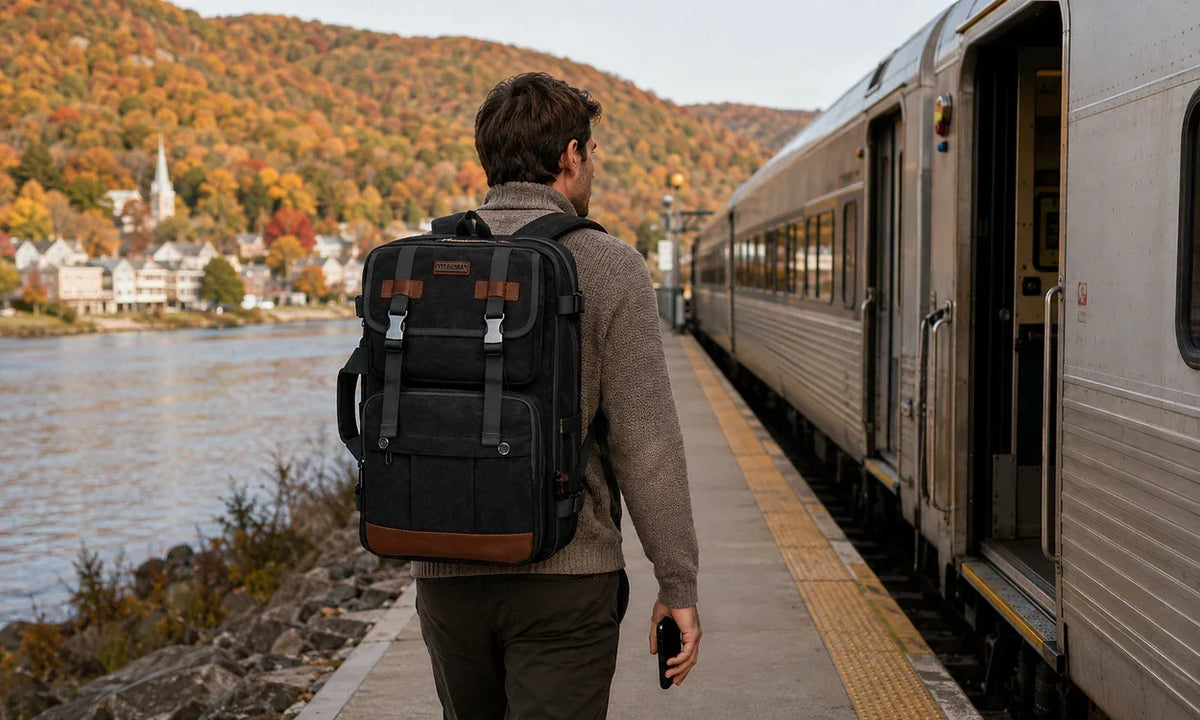
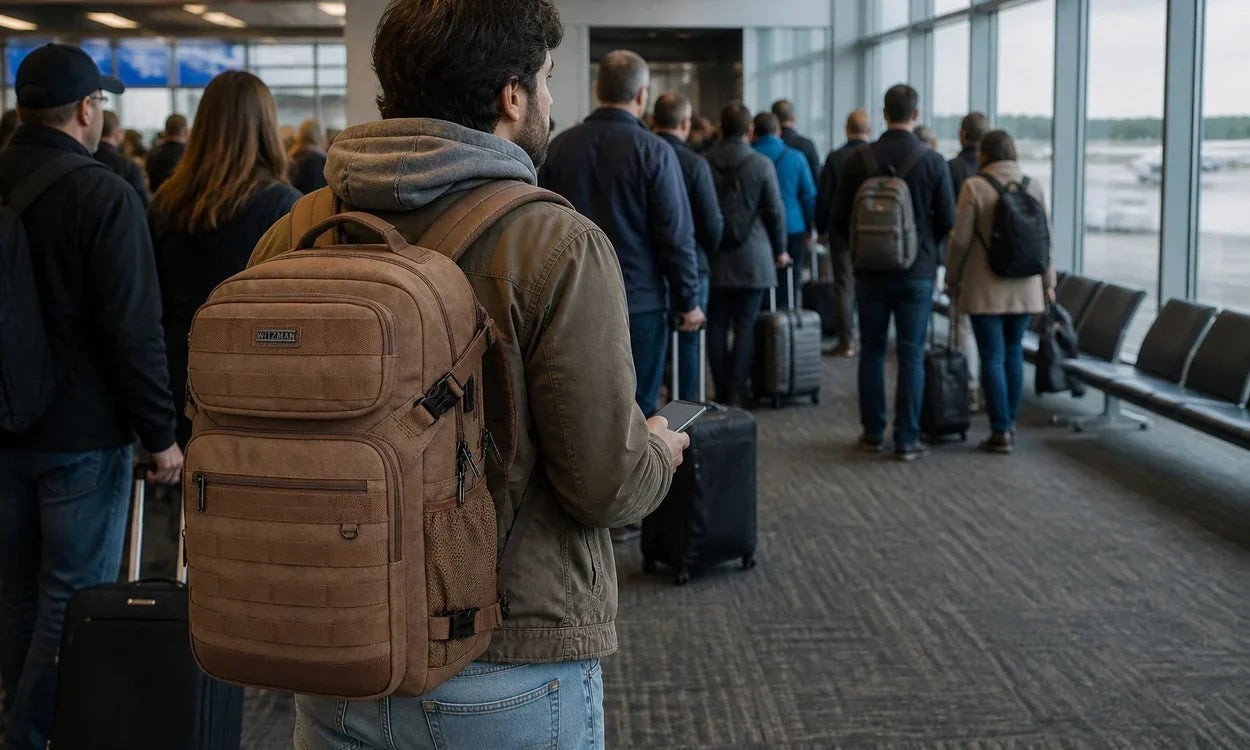
A travel backpack is useful for transit days and carrying clothing, while a smaller daypack may be more appropriate on the activity itself. Avoid taking a large, fully packed travel bag onto a trail simply because it can be worn as a backpack. Match the bag to the day’s movement and the operator’s luggage system.
Witzman Travel Bags to Consider
These options can support organized transit and hotel-to-hotel travel. Confirm fit, dimensions, and the load you can carry comfortably before departure.


Pace for the Whole Trip, Not the First Hour
A comfortable pace lets you speak in short sentences, notice the terrain, and maintain good form. On long climbs or hot days, slower travel can be the faster strategy because it reduces extended stops and helps preserve energy. Agree with your guide or companions that the group will use regular check-ins rather than waiting until someone is exhausted.
Use scheduled food, water, layer, and foot-care breaks. Do not wait for severe thirst, a fully developed blister, or heavy chills. Build margin into every day, especially after a long flight, a major time-zone change, or a difficult previous stage. One lighter afternoon can protect the rest of the itinerary.
Altitude, Heat, and Weather Need Separate Plans
Altitude illness can affect healthy, fit travelers because physical conditioning does not guarantee protection. Ascend gradually when possible, follow professional guidance, and understand the symptoms and descent plan before entering high terrain. Do not dismiss new headache, nausea, dizziness, unusual fatigue, confusion, or worsening breathlessness.
Heat risk can increase when travelers push a familiar pace in an unfamiliar climate. Review forecast, humidity, shade, water availability, and turnaround points. Some medications and health conditions may affect heat tolerance, which is another reason to discuss the actual itinerary with a clinician.
Weather can turn a comfortable outing into a navigation or exposure problem. Check conditions close to departure, carry appropriate layers, and respect guide or park closures. The National Park Service recommends planning around navigation, sun protection, insulation, illumination, first aid, fire, repair tools, nutrition, hydration, and emergency shelter—the well-known “Ten Essentials” framework.
Research the Operator, Insurance, and Evacuation Plan
The U.S. Department of State recommends investigating adventure-tour operators, checking their credentials and safety record, and confirming that they have a plan for emergencies. Ask about guide qualifications, communication equipment, first-aid capability, evacuation routes, vehicle access, and how the company handles a traveler who needs to stop early.
Standard travel insurance may exclude certain activities or provide limited coverage for rescue and medical evacuation. Read exclusions instead of relying on the product name. Confirm destination coverage, altitude or activity limits, pre-existing-condition rules, remote treatment, evacuation, and repatriation. Keep the assistance number accessible offline.
Share a detailed itinerary with a trusted contact, including operator details, accommodation, transport segments, emergency numbers, and the expected date of return from remote activities. In areas without reliable mobile service, ask what satellite or radio communication is available.
Adventure Travel Safety Checklist for Over-50s
- Match the activity to current conditioning, mobility, balance, and recovery.
- Discuss significant health concerns and a demanding itinerary with a qualified clinician.
- Train on similar terrain while wearing the footwear and pack you will use.
- Carry medication, a health summary, emergency contacts, and insurance information.
- Verify the tour operator’s qualifications, guide ratio, communications, and evacuation plan.
- Confirm insurance coverage for the specific activity and destination.
- Pack navigation, sun protection, insulation, light, first aid, repair items, food, water, and shelter as appropriate.
- Use a comfortable load and keep essential items easy to reach.
- Build acclimatization and recovery time into the itinerary.
- Tell a trusted person where you are going and when to expect your return.
Frequently Asked Questions
Is 50 too old to start adventure travel?
No fixed age determines whether adventure travel is appropriate. Current health, conditioning, skill, trip difficulty, and access to support matter more. Begin with a manageable activity and prepare specifically for it.
How should I train for an active trip after 50?
Train gradually for the actual movement involved. Include aerobic conditioning, strength, balance, mobility, and practice with the expected footwear and pack. Add consecutive active days before a multi-day itinerary.
What should I keep in my daypack?
Carry water, food, medication, weather layers, sun protection, navigation, light, first aid, emergency information, and activity-specific safety items. Adapt the list to the route and operator guidance.
How can I avoid slowing down a group?
Choose a trip with a pace and difficulty that fit your preparation, communicate honestly with the guide, and use a sustainable pace from the beginning. A well-run trip should have a clear plan for different speeds and early exits.
Do I need special travel insurance?
You may need coverage that explicitly includes the activity, destination, altitude, remote treatment, rescue, and medical evacuation. Review exclusions and contact the insurer when the policy language is unclear.
When should I stop an activity?
Stop and seek appropriate help for concerning symptoms such as chest pressure, fainting, confusion, severe breathlessness, sudden weakness, or rapidly worsening illness. For less urgent pain or fatigue, communicate early with the guide rather than waiting until safe movement becomes difficult.
In Summary
Adventure travel for over-50s is most successful when ambition is paired with preparation. Choose measurable difficulty, train for the real activity, protect recovery, carry medication and emergency information correctly, and understand the operator’s safety and evacuation plan. The right bag and gear should reduce friction, not tempt you to carry more than you can move comfortably.
Conclusion
The best adventure trip after 50 is not necessarily the easiest one. It is the trip whose challenge matches your preparation and leaves enough reserve to respond to real conditions. Train honestly, ask detailed questions, protect comfort and recovery, and choose travel gear that keeps essential items organized without adding unnecessary weight. That combination creates more room for the part that matters: enjoying where the journey takes you.

Share:
The Ultimate Packing Guide for the Summer Rainy Season
Adventure vs. Relaxation: Finding Your Travel Style and Bag