

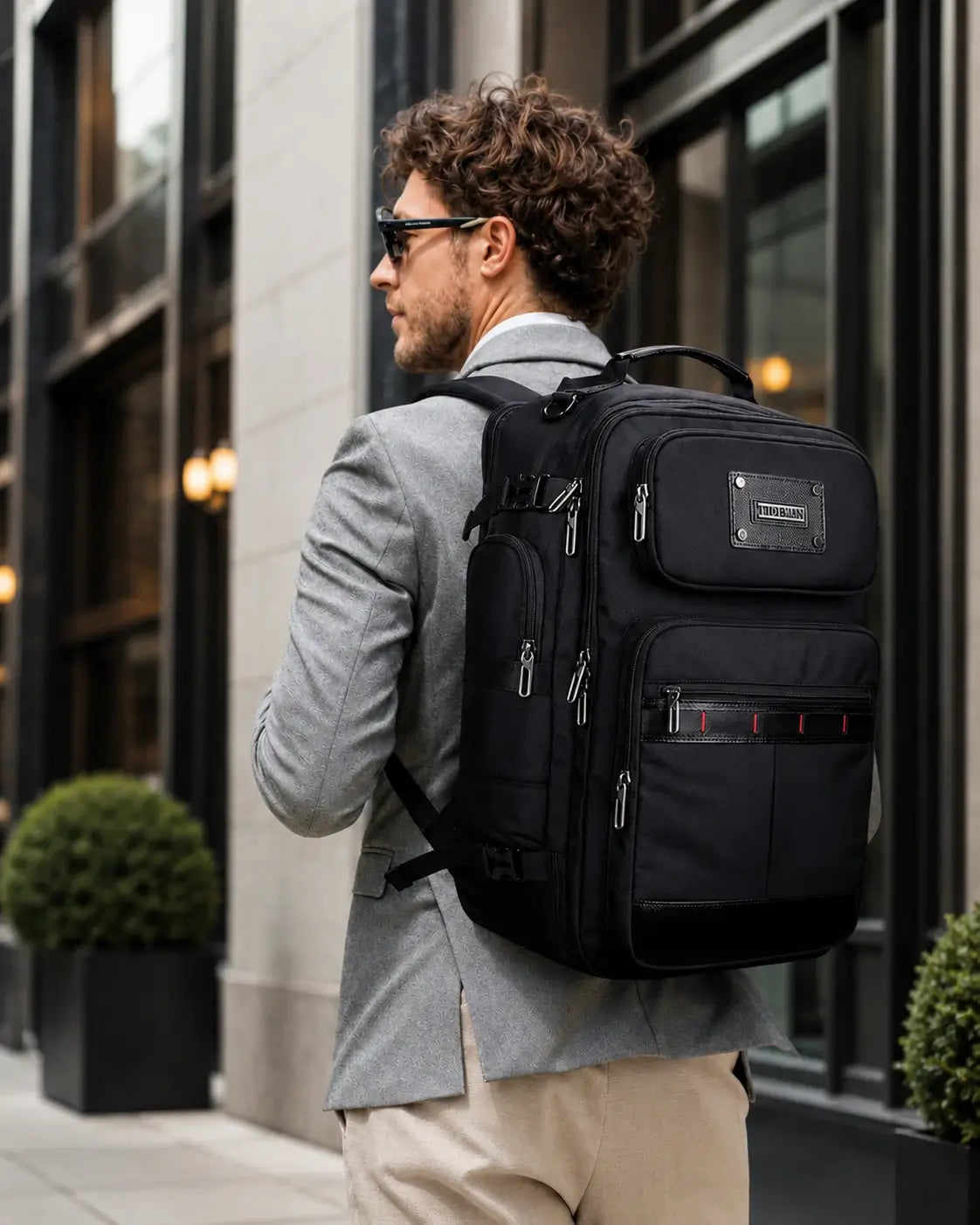
Every international journey begins with a familiar psychological battleground: the packing phase. In an anxious effort to prepare for every conceivable emergency, modern travelers routinely transform their luggage into a heavy archive of unused belongings. This "just-in-case" packing mentality does not protect you from discomfort—it actively manufactures transit friction, increases physical fatigue, and subjects you to punitive airline fee systems.
Quick-Check Elimination Matrix
To establish absolute travel agility, remove three critical asset traps before your departure: over-the-limit liquid sizes that trigger automated TSA confiscation, single-purpose charging cables and gadgets that overload your payload, and bulky, slow-drying cotton garments. True travel optimization requires prioritizing multi-functional efficiency over static emergency items.
True travel freedom is determined by what you intentionally choose to leave behind. When you reduce the physical weight of your luggage, your natural walking pace increases, your cognitive load diminishes, and you completely bypass the multi-step bottlenecks of check-in desks and baggage carousels. This expert operational guide deconstructs the most prevalent packing mistakes travelers make and explains exactly how to streamline your transit strategy.
1. Legal & Compliance Failures: Navigating TSA and Border Control Regimes
The most immediate and costly packing mistakes occur when travelers fail to comply with modern transport security regulations. The Transportation Security Administration (TSA) enforces strict protocols that, when ignored, result in manual luggage searches, missed connections, or the immediate disposal of expensive personal goods.
The first major compliance pitfall is the mismanagement of the standard 3-1-1 liquids rule. Many passengers assume that if a 6-ounce bottle of luxury skin serum is only half-full, it meets the 3.4-ounce (100ml) regulatory threshold. Security screening mechanisms scan the absolute volume capacity of the container, not the fluid level inside. Bringing full-sized toiletries is a definitive packing failure; you consume immense geometric space and guarantee security line delays.
Außerdem US-amerikanische Luftfahrtbehörde (FAA) und internationale Luftfahrtverbände wie IATA Die Sicherheitsbestimmungen für Lithium-Ionen-Powerbanks wurden drastisch verschärft. Portable Ladegeräte mit mehr als 100 Wattstunden (Wh) sind in Passagierflugzeugen grundsätzlich verboten, sofern keine ausdrückliche Genehmigung der Fluggesellschaft vorliegt, und sie dürfen niemals im Frachtraum als aufgegebenes Gepäck transportiert werden. Das Einpacken einer leistungsstarken Powerbank in einen aufgegebenen Rollkoffer kann dazu führen, dass die Sicherheitskontrolle Ihre Tasche zurückhält und Ihr Gepäck zurückbleibt, während Ihr Flug abhebt.
2. Die digitale Last: Technik-Überlastung und Kabelsalat beseitigen
In unserer hypervernetzten Realität packen Reisende häufig zu viele Unterhaltungselektronikgeräte ein – in der Illusion mobiler Produktivität. Einen dedizierten Laptop, ein separates Lesetablet, einen elektronischen E-Reader, ein professionelles DSLR-Gehäuse mit mehreren Objektiven und ein schweres Reisestativ mitzunehmen, erzeugt eine massive physische Belastung. Wenn Sie nicht für einen kommerziellen Medienauftrag reisen, bringt dieses Tech-Layout hohe Sicherheitsrisiken und unnötiges Mehrgewicht mit sich.
Das Gewicht Ihres Reisegepäcks wirkt wie eine physische Steuer auf Ihre Situationswahrnehmung. Jedes einzelne Kabel, jeder Adapter und jedes Gerät, das Sie einpacken, ist ein weiterer Gegenstand, den Sie im Auge behalten, schützen und tragen müssen.
Ein großer Fehler ist es, für jedes einzelne Gerät einen separaten, nur dafür geeigneten Ladeadapter und ein separates Kabel einzupacken. Das führt zu einem unordentlichen Haufen Kabel, was die Sicherheitskontrollen verzögert. Modernes Reisen erfordert ein einziges, kompaktes Galliumnitrid (GaN) Mehrfach-Ladegerät Kann 65 W bis 100 W Leistung liefern. Ein einziges GaN-Netzteil lädt gleichzeitig ein modernes Laptop, ein Smartphone und ein Tablet über standardmäßige USB-C-Anschlüsse – und macht schwere, überflüssige Elektronik überflüssig.
3. Kleiderschrank-Fallen: Die hohen körperlichen Kosten von Baumwolle und übermäßigem Schuhwerk
Die Wahl der Kleidung ist der größte einzelne Faktor für Platz- und Gewichtsverbrauch in jeder Reisekonfiguration. Der grundlegende Fehler von Urlaubsreisenden ist die starke Abhängigkeit von traditioneller schwerer Baumwollkleidung. Baumwolle ist ein ineffizienter Reisestoff: Sie nimmt Feuchtigkeit auf, knittert sofort unter Druck, behält Gerüche und braucht im nicht-industriellen Umfeld Stunden zum Trocknen an der Luft. Das Einpacken von vier schweren Baumwollhoodies und mehreren Paaren traditioneller Denim-Jeans wird schnell deine Gewichtsgrenzen für das Handgepäck im Reiserucksack sprengen.
Stattdessen empfehlen moderne Ausrüstungsexperten, auf technische Synthetik oder natürliche Leistungsfasern wie umzusteigen. MerinowolleMerinowolle reguliert die Körpertemperatur dynamisch, widersteht auf natürliche Weise mikrobiellem Wachstum und Gerüchen tagelang und komprimiert sich auf die Hälfte des Volumens herkömmlicher Baumwollstoffe. So kannst du insgesamt weniger Teile einpacken und dabei absoluten Komfort genießen.
Reisegepäck-Gewichtsdynamik: Gewichtsanalyse – Was nicht eingepackt werden sollte
| Ziel-Eliminierungskategorie | Geschätztes Leergewicht (lbs) | Alternative strategische Aufteilung | Praktischer Nutzen |
|---|---|---|---|
| Große Kulturbeutel & Taschen | 3.5 lbs – 5.0 lbs | TSA-konforme 100-ml-Reisetuben | Umgeht manuelle Sicherheitskontrollen |
| Zusätzliche Schuhe (mehr als 2 Paare) | 3.0 lbs – 6.0 lbs | 1 Multifunktions-Trainer + 1 Freizeitschuh | Schafft 25 % mehr Platz im Innenraum |
| Einzweck-Netzteile & Kabel | 2.0 lbs – 3.5 lbs | 1 integriertes GaN-Multi-Port-Ladegerät | Beseitigt Kabelsalat & Gewicht |
| Schwere Baumwoll-Oberbekleidung & Denim | 4.5 lbs – 8.0 lbs | Merinowolle & synthetische Schichten | Schnelltrocknend & antimikrobiell |
| Fester Hartschalen-Rollkoffer | 7.5 lbs – 11.0 lbs | Hochleistungs-Reiserucksack | Keine Wartezeiten am Gepäckband |
Der zweite große Fehler bei der Kleidungswahl ist das Einpacken zu vieler Schuhe. Schuhe sind geometrisch ineffizient und lassen sich nicht komprimieren. Mehr als zwei Paar Schuhe mitzunehmen – etwa schwere Wanderschuhe, Freizeit-Sneaker, elegante High Heels und Sandalen in eine Reisetasche zu packen – ist ein grundlegender Fehler. Die richtige Strategie ist, die schwersten und stützendsten Schuhe während der aktiven Reise zu tragen und maximal ein vielseitiges, flach verstaubares Paar in Ihrem Hauptgepäck zu verstauen.
4. Verpackungsfehler: Die Geometrie veralteter Gepäckformate
Der grundlegende, fatale Fehler, den Reisende machen, passiert bereits, bevor sie überhaupt ihren Kleiderschrank öffnen: die Wahl eines traditionellen starren Rollkoffers als Basis für das Gepäck. Traditionelle Hartschalenkoffer haben eine inhärente, unveränderliche Leergewicht von 8 bis 11 Pfund aufgrund ihrer schweren Metall-Teleskopgriffe, starren Kunststoffwände und Radgehäuse. Dieses strukturelle Eigengewicht schränkt Ihr verfügbares Packvolumen stark ein, bevor Sie auch nur ein einziges Kleidungsstück auswählen.
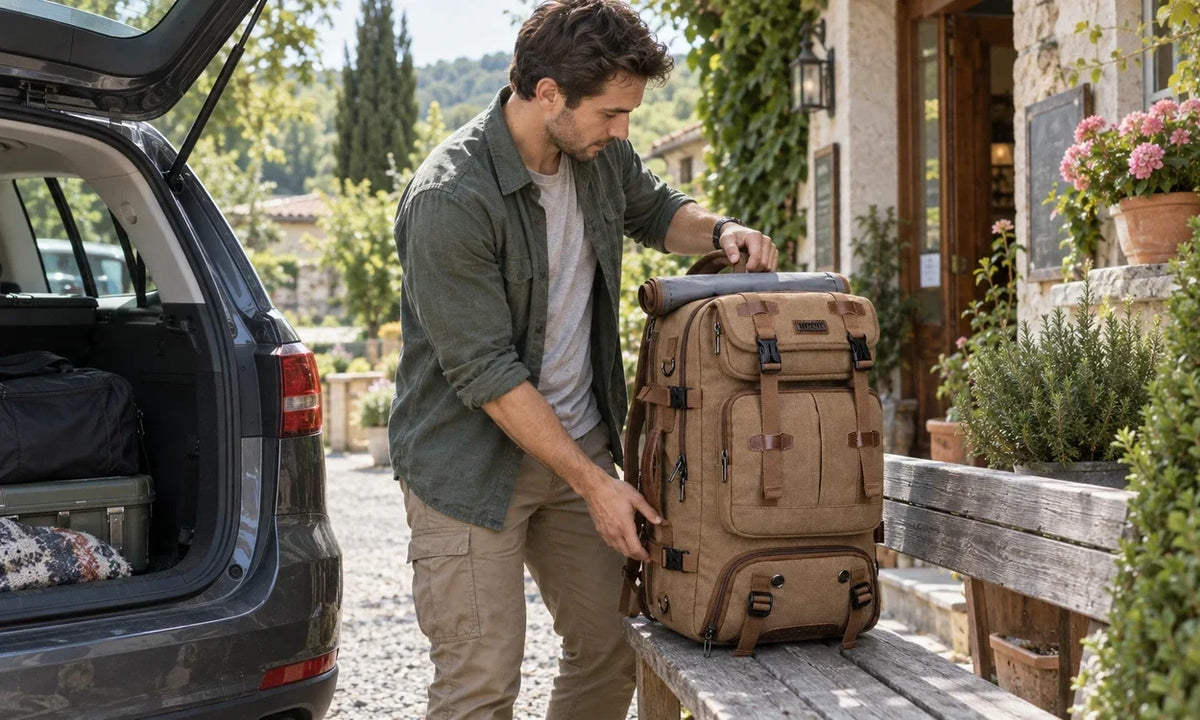
Um diese typischen Packfallen zu vermeiden und einen reibungslosen Reiseplan umzusetzen, benötigen Sie ein durchdachtes, flexibles Gepäcksystem. Ein unstrukturierter, oben zu öffnender Sportbeutel führt dazu, dass Gegenstände verrutschen, was zu starken Rückenbelastungen und zerknitterter Kleidung führt. Sie benötigen eine zweckmäßige Reisearchitektur mit optimierter Lastverteilung, extremer Abriebfestigkeit und unterteilter Zugänglichkeit. Im Folgenden finden Sie sechs hochoptimierte, vielseitige Lösungen von WITZMAN, die speziell für organisiertes Reisen mit nur einem Gepäckstück entwickelt wurden.
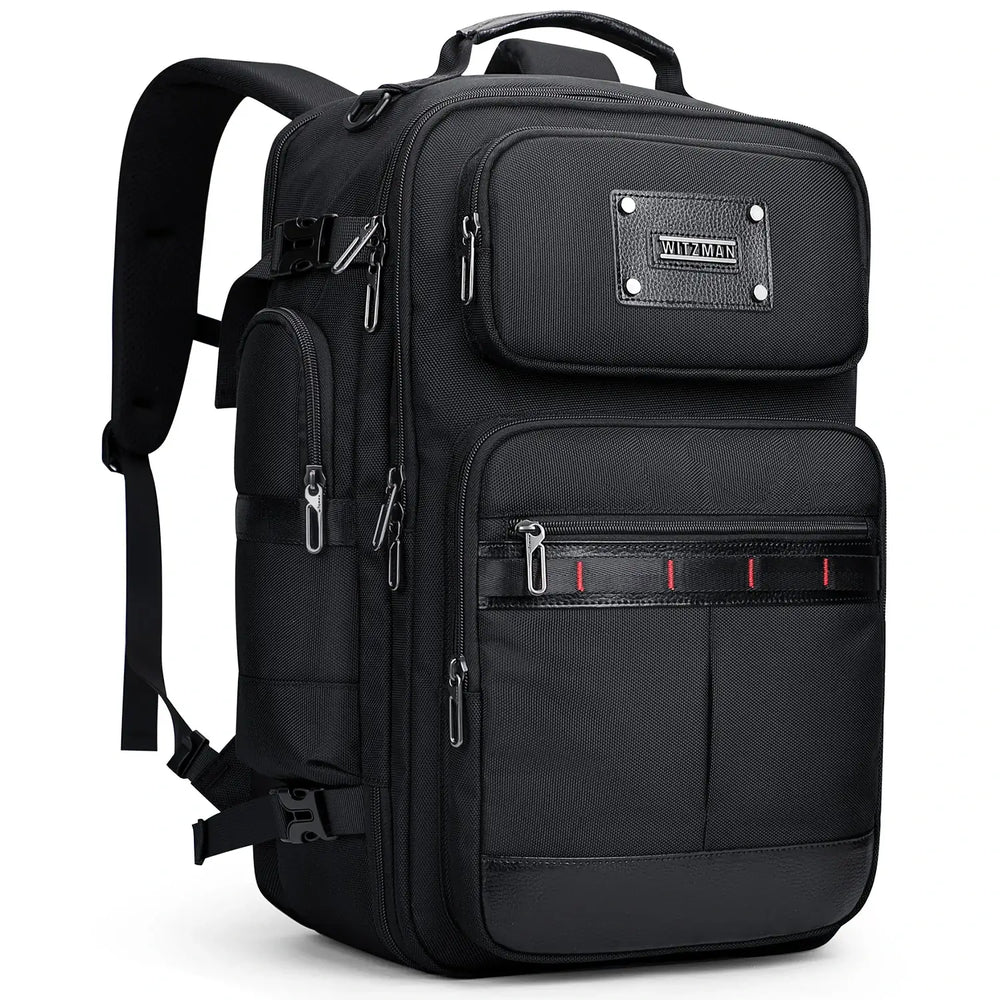
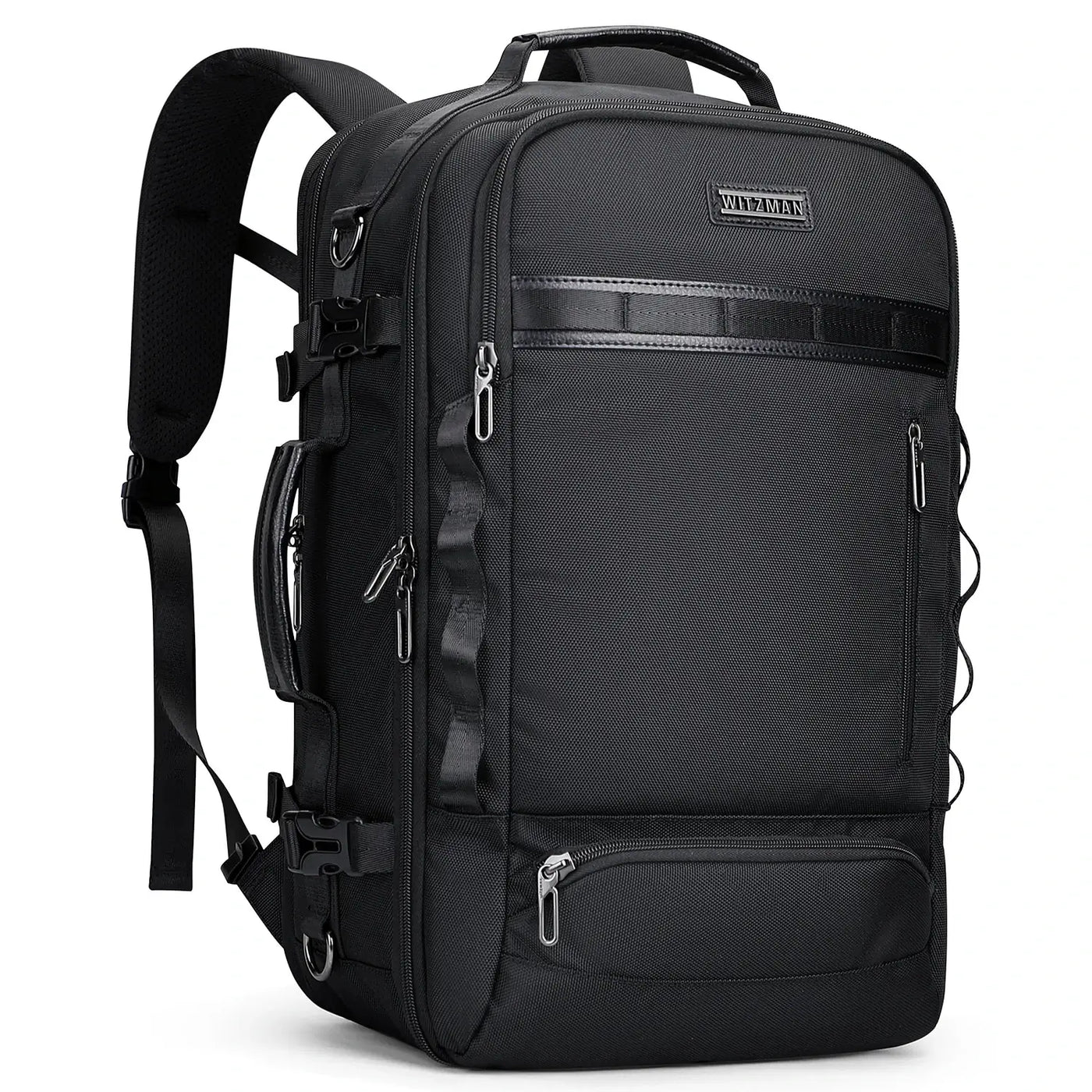
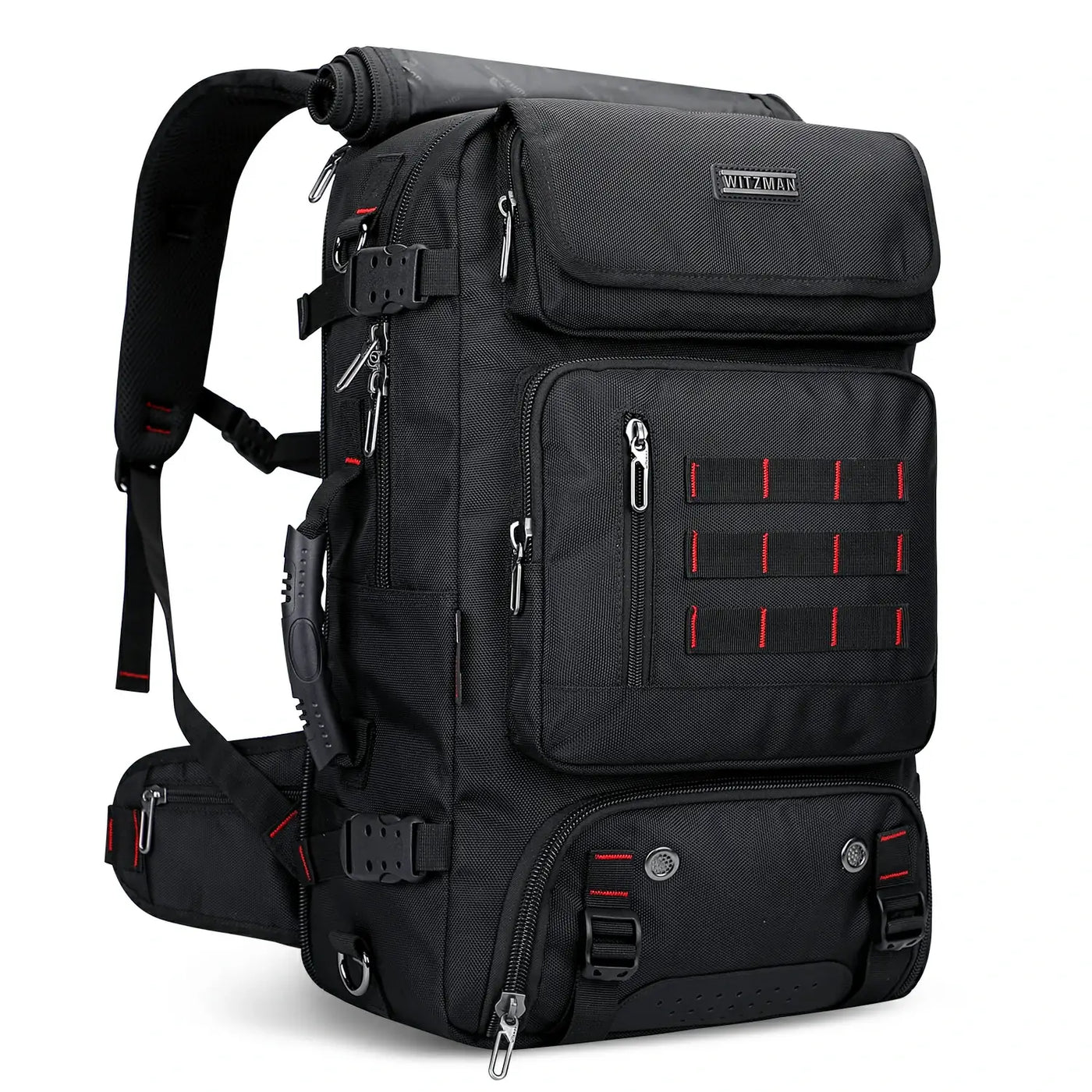
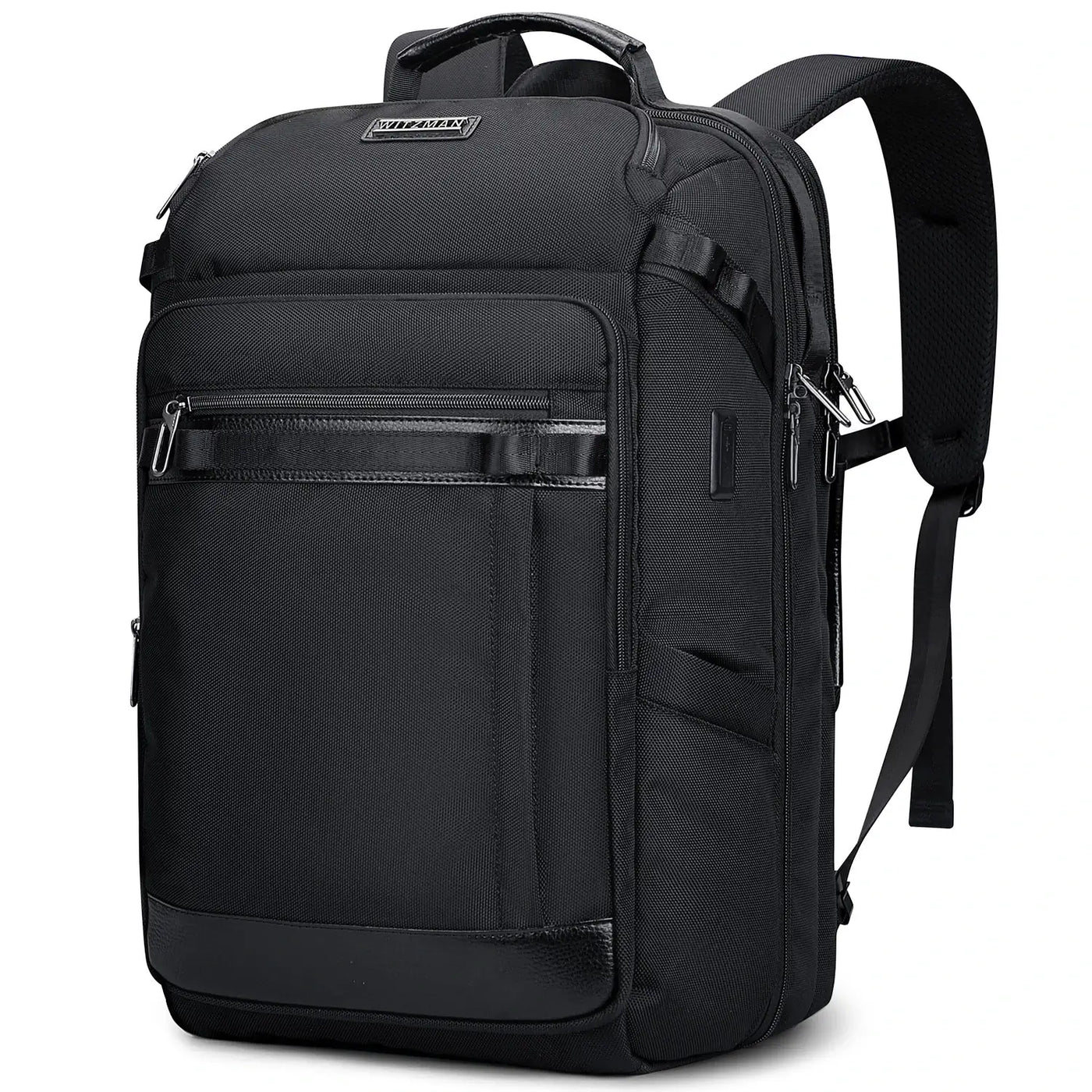
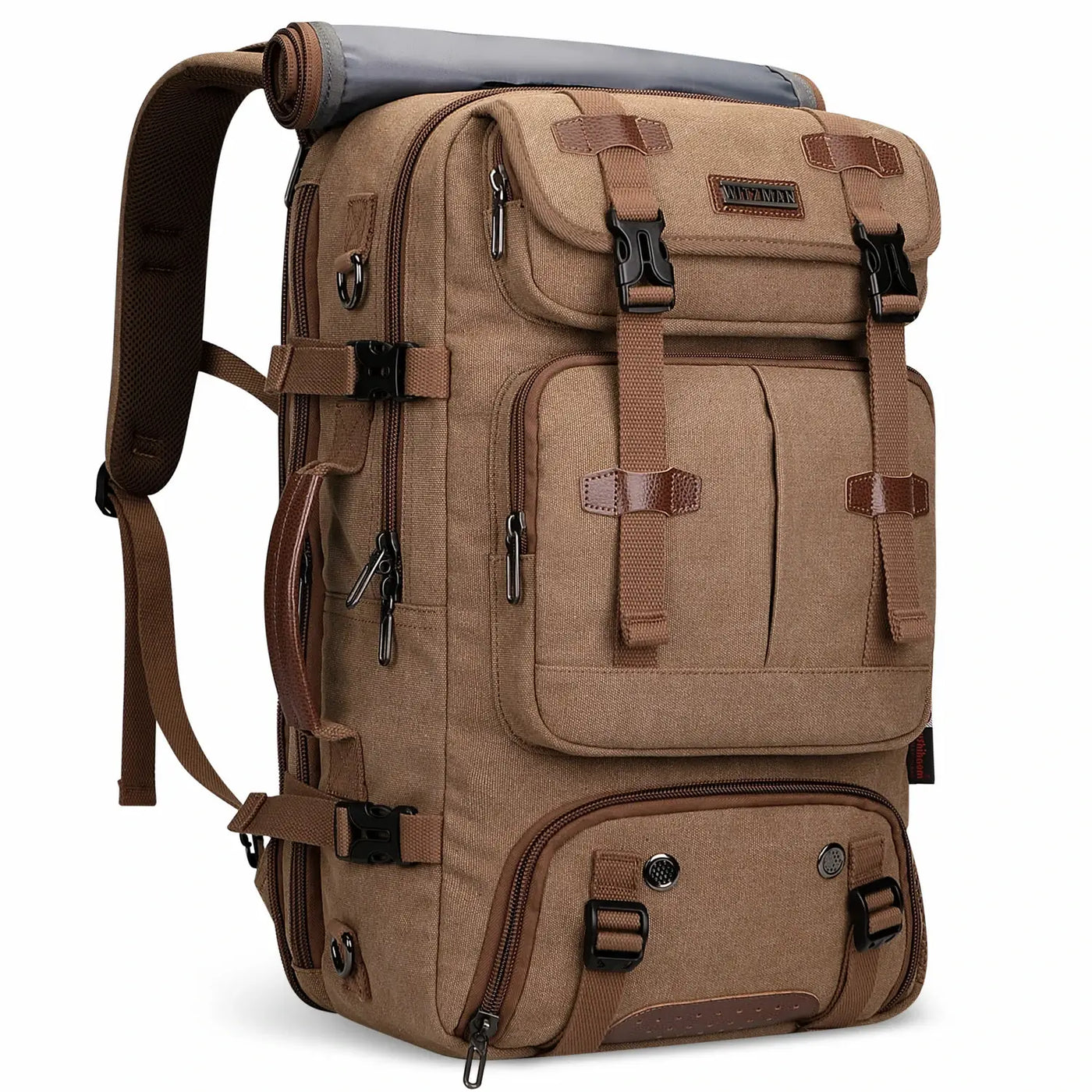
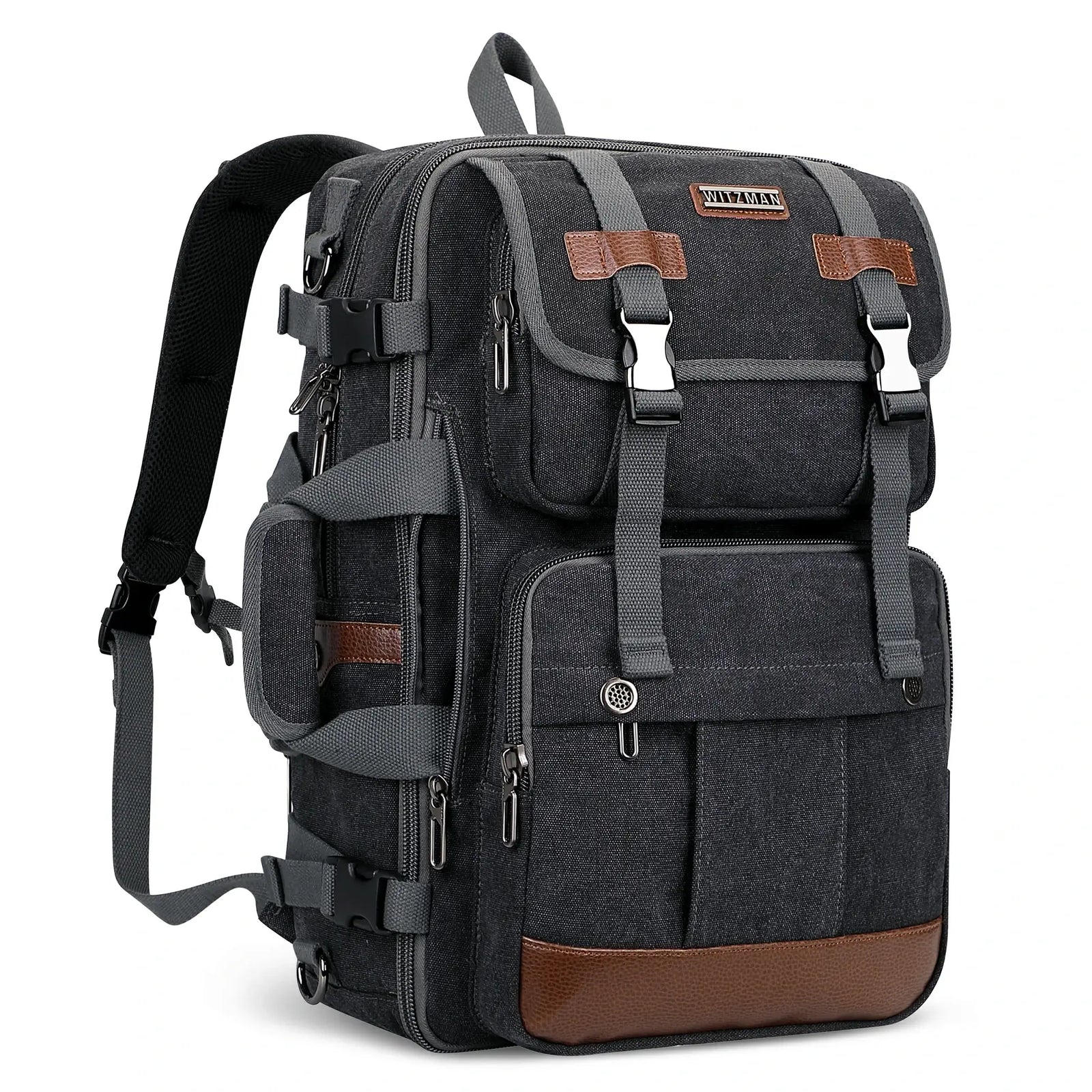
5. Die wahre Lösung: Anpassung an adaptive Organisationslayouts
Indem Sie Ihre strukturelle Basis von einem schweren, starren Rollkoffer auf einen hochkapazitiven, von vorne zu öffnenden Reiserucksack umstellen, lösen Sie diese Stauraumkonflikte sofort. Premium-Reiserucksäcke nutzen ein 180-Grad-Clamshell-Design, das sich komplett flach öffnen lässt und dem Packstil eines traditionellen Koffers entspricht, während es die leichte Flexibilität fortschrittlicher Industrietextilien beibehält.
Dieses Layout zwingt Sie, Ihre Packgewohnheiten kritisch zu überprüfen. Wenn ein Gegenstand nicht in die organisierten Mesh-Fächer, Seitenfächer oder Laptop-Einschübe eines ergonomischen Handgepäckrucksacks passt, ist das ein analytisches Zeichen dafür, dass der Gegenstand für Ihre Reise unnötig ist. Die Beseitigung dieser Packfehler spart Geld bei Fluggesellschaftsgebühren und verbessert Ihr gesamtes Reiseerlebnis.
Häufig gestellte Fragen (FAQ)
Nachfolgend finden Sie strukturierte, operative Antworten zu Reisegepäckfehlern und Sicherheitsvorschriften:

Aktie:
Warum ich Koffer gegen einen Reiserucksack getauscht habe
Der ultimative Reiserucksack-Design-Leitfaden: Jedes Feature, jedes Fach und jede Innovation erklärt (2026)