

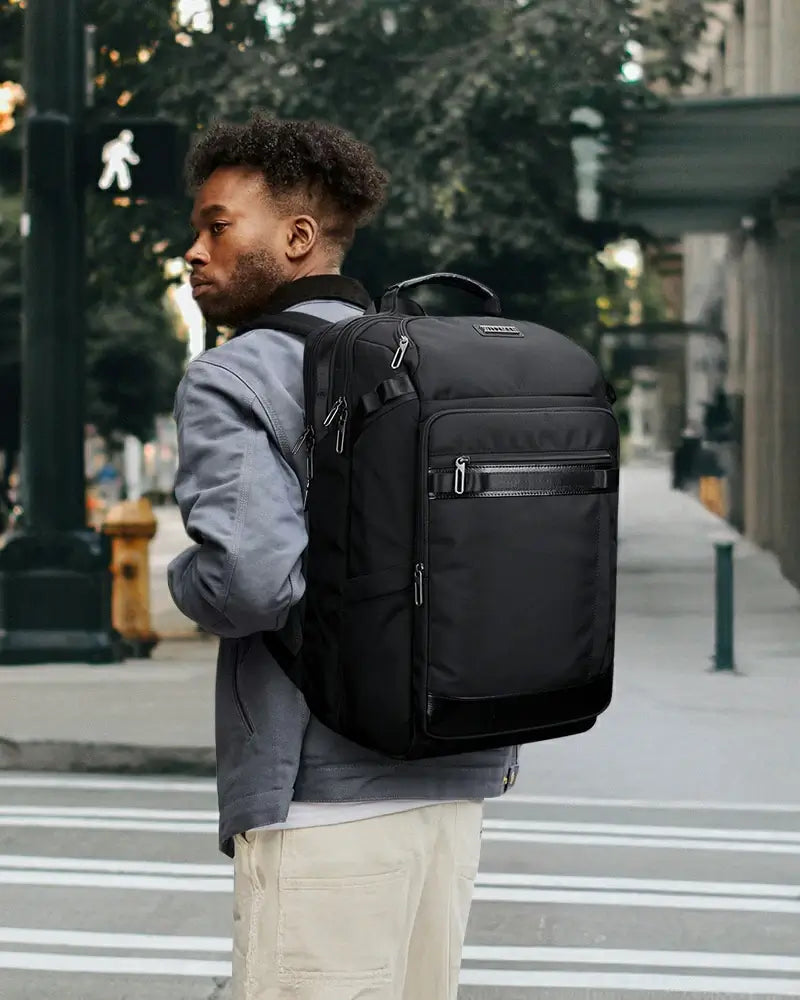
Die meisten Menschen glauben, dass der Tragekomfort eines Rucksacks vom Rucksack selbst abhängt. Tatsächlich kommt ein Großteil des Komforts – oder Unbehagens – von der Art, wie der Rucksack eingestellt ist. Ein gut gestalteter Reiserucksack kann sich trotzdem unangenehm anfühlen, wenn die Gurte falsch sitzen, die Gewichtsverteilung nicht stimmt oder der Rucksack zu tief auf dem Rücken liegt.
Nach jahrelanger Arbeit mit Reisegepäck und der Beobachtung, wie Menschen Rucksäcke tatsächlich nutzen – ob für den Pendelverkehr, Geschäftsreisen oder Wochenendtrips – zeigt sich immer wieder das gleiche Muster. Viele Reisende lernen nie, ihren Reiserucksack richtig einzustellen. Sie setzen ihn auf, ziehen die Schultergurte ein wenig fest und gehen davon aus, dass das ausreicht.
In der Praxis sollte ein richtig eingestellter Reiserucksack ausbalanciert und stabil wirken. Er sollte nicht an den Schultern ziehen, beim Gehen nicht wackeln und Sie nicht dazu zwingen, sich nach vorne zu beugen, um das Gewicht auszugleichen. Wenn alles richtig eingestellt ist, ist der Unterschied überraschend deutlich spürbar.
Diese Anleitung führt Schritt für Schritt durch den Prozess und erklärt, wie man einen Reiserucksack Herren für echten Komfort einstellt – egal, ob Sie durch die Stadt pendeln, mit einem Handgepäck Reiserucksack fliegen oder mehrere Kilometer zu Fuß eine neue Gegend erkunden.
Warum die Passform eines Rucksacks wichtiger ist, als die meisten glauben
Ein Reiserucksack interagiert mit Ihrem Körper auf eine Weise, die zunächst nicht immer offensichtlich ist. Wenn das Gewicht richtig positioniert ist, tragen Rumpf und Hüfte den Großteil der Last. Bei falscher Passform müssen Schultern und Nacken mehr Arbeit leisten, als sie sollten.
Mit der Zeit kann dieses Ungleichgewicht zu Folgendem führen:
-
Schultermüdigkeit
-
Nackensteifigkeit
-
Verspannungen im unteren Rücken
-
Ungleichmäßige Haltung beim Gehen
Bei kurzen Fahrten durch die Stadt bemerken Sie das vielleicht kaum. Aber an längeren Reisetagen – durch Flughäfen, über Stadtblöcke oder beim Pendeln mit einem Business Reiserucksack – summieren sich diese kleinen Probleme.
Das Ziel beim Einstellen eines Rucksacks ist nicht, ihn überall eng zu machen. Es geht darum, das Gewicht natürlich über Ihren Körper zu verteilen, sodass der Rucksack sich mit Ihnen bewegt, anstatt gegen Sie zu arbeiten.
Beginnen Sie mit der richtigen Rucksackgröße
Bevor Sie die Gurte einstellen, sollten Sie prüfen, ob der Reiserucksack selbst zu Ihrem Körper passt. Selbst die besten Einstellungen können einen viel zu großen oder kleinen Rucksack nicht ausgleichen.
Für die meisten erwachsenen Männer, die einen Handgepäck Reiserucksack oder einen alltäglichen Reiserucksack mit Fächern nutzen, liegt das Fassungsvermögen meist zwischen 25 und 40 Litern. Dieser Bereich eignet sich normalerweise gut für Pendelfahrten, Wochenendreisen oder kurze Geschäftsreisen.
Wichtiger als das Volumen ist die Passform des Rumpfes. Ein Reiserucksack sollte bequem zwischen Ihren Schultern und Hüften sitzen, ohne zu weit in eine Richtung zu ragen.
Als grobe Richtlinie:
-
Die Oberseite des Rucksacks sollte knapp unter dem Ansatz Ihres Nackens sitzen.
-
Die Unterseite sollte über Ihren Hüften ruhen, anstatt zum unteren Rücken durchzuhängen.
Hängt der Rucksack zu tief, kann sich selbst leichtes Gewicht schwerer anfühlen, als es tatsächlich ist.
Schritt 1: Lockern Sie alles, bevor Sie beginnen
Einer der häufigsten Fehler ist, einen Reiserucksack einzustellen, während die Gurte bereits fest sind.
Lockern Sie stattdessen zunächst:
-
Schultergurte
-
Brustgurt
-
Hüftgurt (falls Ihr Rucksack einen hat)
Wenn Sie den Rucksack aufsetzen, während alles locker ist, können Sie zuerst die natürliche Position des Rucksacks finden. Danach können Sie jedes Element allmählich festziehen.
Dieser einfache Schritt führt oft sofort zu einer ausgewogeneren Passform.
Schritt 2: Positionieren Sie den Rucksack auf Ihrem Rücken
Sobald der Rucksack auf Ihren Schultern sitzt, nehmen Sie sich einen Moment Zeit, um ihn richtig zu positionieren, bevor Sie etwas festziehen.
Ein gut sitzender Reiserucksack Herren sitzt normalerweise höher, als die Leute erwarten. Der Hauptkörper des Rucksacks sollte gegen die Mitte Ihres Rückens ruhen, anstatt tief zu hängen.
Wenn der Rucksack zum unteren Rücken rutscht, beginnt das Gewicht nach hinten zu ziehen, was viele Menschen dazu veranlasst, beim Gehen nach vorne zu fallen.
Eine hilfreiche gedankliche Kontrolle: Wenn der Rucksack das Gefühl vermittelt, Sie von Ihrer natürlichen Haltung wegzuziehen, sollte er wahrscheinlich höher sitzen.
Schritt 3: Ziehen Sie die Schultergurte fest
Mit dem Rucksack angelegt, die Schultergurte vorsichtig festziehen.
Das Ziel ist nicht, den Rucksack fest an die Schultern zu klemmen. Ziehen Sie die Gurte stattdessen so fest, dass der Rucksack bequem an Ihrem Rücken anliegt, ohne merkliche Lücken.
Eine gute Schultergurteinstellung bedeutet normalerweise:
-
Der Rucksack sitzt nah am Körper
-
Ihre Schultern tragen nur einen Teil des Gewichts
-
Sie können Ihre Arme noch frei bewegen
Wenn Sie Druckpunkte nahe der Oberseite Ihrer Schultern spüren, sind die Gurte möglicherweise zu fest oder der Rucksack sitzt zu tief.

Schritt 4: Brustgurt einstellen
Viele moderne Rucksäcke haben einen Brustgurt, der die beiden Schultergurte über Ihrer Brust verbindet. Manche Reisende ignorieren ihn, aber bei schwereren Lasten kann er einen spürbaren Unterschied machen.
Der Brustgurt stabilisiert den Rucksack und verhindert, dass die Schultergurte nach außen rutschen.
So stellen Sie ihn ein:
-
Den Gurt über der Brust einclipsen.
-
Ziehen Sie ihn leicht fest, bis die Schultergurte sicher sitzen.
Er sollte stützend, aber nicht einengend wirken. Sie sollten noch bequem atmen und sich bewegen können.

Für einen Handgepäck-Rucksack für Herren wird der Brustgurt besonders hilfreich, wenn man überfüllte Flughäfen navigiert oder längere Strecken geht.
Schritt 5: Hüftgurt bei schwererem Gepäck verwenden
Nicht jeder Reiserucksack hat einen Hüftgurt, aber wenn vorhanden, kann er eines der nützlichsten Merkmale sein.
Der Zweck des Hüftgurts ist es, einen Teil des Gewichts von den Schultern auf die Hüften zu verlagern. Ihre Hüften und die Rumpfmuskulatur sind besser geeignet, über längere Zeit Gewicht zu tragen.
So stellen Sie ihn ein:
-
Positionieren Sie den Gurt um die Oberseite Ihrer Hüften, nicht um die Taille
-
Ziehen Sie ihn fest, bis er sich sicher, aber nicht eng anfühlt
Für leichtere Lasten – wie beim Pendeln mit einem Business-Reiserucksack – ist der Hüftgurt möglicherweise nicht nötig. Aber wenn der Rucksack während der Reise voll ist, kann er den Komfort deutlich verbessern.
Schritt 6: Gewichtsverteilung im Rucksack prüfen
Selbst bei perfekter Gurteinstellung kann eine schlechte Packweise den Komfort beeinträchtigen.
Ein gut ausbalancierter Reiserucksack mit Fächern sollte schwerere Gegenstände näher am Rücken halten. Dadurch bleibt der Schwerpunkt nahe am Körper und der Rucksack zieht nicht nach hinten.
Eine einfache Packweise ist:
Am nächsten am Rücken
-
Laptop
-
Bücher
-
Elektronik
Mittlere Schicht
-
Kleidung
-
Packwürfel
Außentaschen
-
Kleinere Accessoires
-
Reisedokumente
Diese Anordnung hilft, das Gleichgewicht zu halten, und lässt den Rucksack bei langen Spaziergängen leichter wirken.
Schritt 7: Gehen und kleine Anpassungen vornehmen
Die Passform eines Rucksacks fühlt sich oft anders an, wenn Sie zu gehen beginnen.
Nachdem Sie die Gurte eingestellt haben, gehen Sie ein paar Minuten herum und achten Sie darauf, wie sich der Rucksack bewegt. Wenn er zu stark verrutscht oder hüpft, hilft es meist, die Schultergurte etwas fester zu ziehen.
Wenn Sie Druck auf den Schultern spüren, sollte der Hüftgurt möglicherweise mehr Gewicht übernehmen.
Diese Anpassungen sind normalerweise klein, aber sie lassen den Rucksack mit der Zeit natürlicher wirken.
Häufige Fehler bei der Rucksackanpassung
Nachdem wir beobachtet haben, wie Menschen über die Jahre Rucksäcke nutzen, zeigen sich einige Muster immer wieder.
Den Rucksack zu tief tragen
Viele lockern die Schultergurte zu sehr, sodass der Rucksack tief auf dem Rücken hängt. Das erhöht die Belastung und lässt den Rucksack schwerer wirken.
Den Brustgurt ignorieren
Der Brustgurt bleibt oft ungeschlossen, obwohl er hilft, die Last zu stabilisieren.
Ungleiche Gurtlänge
Manchmal ist ein Schultergurt fester als der andere, was den Rucksack leicht schief hängen lässt. Dieser ungleiche Druck kann bei längeren Reisetagen unangenehm werden.
Ein paar Sekunden, um diese Details zu prüfen, können spätere Beschwerden verhindern.
Komforttipps für längere Reisetage
Wenn Sie mit einem Handgepäck-Reiserucksack unterwegs sind, insbesondere an langen Flughafentagen oder bei Stadtbesichtigungen, helfen ein paar Gewohnheiten, den Komfort zu erhalten.
Erstens: Vermeiden Sie Überladung. Selbst ein bequemer Rucksack wird schwer zu tragen, wenn er zu voll ist.
Zweitens: Stellen Sie die Gurte regelmäßig nach. Wenn sich Gegenstände im Rucksack verschieben, kann sich die Balance ändern.
Drittens: Achten Sie auf Ihre Haltung. Aufrechtes Stehen und entspannte Schultern helfen dem Rucksack, sich natürlich an den Körper anzupassen.
Diese kleinen Anpassungen sind oft wichtiger als das genaue Rucksackmodell, das Sie verwenden.
Abschließende Gedanken
Rucksäcke sind dafür ausgelegt, Gewicht effizient zu tragen, aber sie funktionieren nur richtig, wenn sie korrekt eingestellt sind.
Sobald Sie verstehen, wie Schultergurte, Brustgurt und Hüftgurt zusammenwirken, wird der Vorgang zur Routine. Ein gut eingestellter Reiserucksack Herren sollte sich stabil, ausbalanciert und bequem genug anfühlen, um ihn einen ganzen Reisetag zu tragen.
Ob Sie mit einem Business-Reiserucksack pendeln, mit einem Handgepäck-Reiserucksack Flughäfen navigieren oder mit einem Reiserucksack mit Fächern eine neue Stadt erkunden – die richtige Passform macht einen spürbaren Unterschied.
Und wenn Sie diesen Unterschied erst einmal erlebt haben, wird es schwer, den Rucksack je wieder anders zu tragen.


Aktie:
Bleisure-Packliste: Ein Reiserucksack für Business & Weekender
Abenteuer vs. Business: Reiserucksäcke für den nahtlosen Übergang