

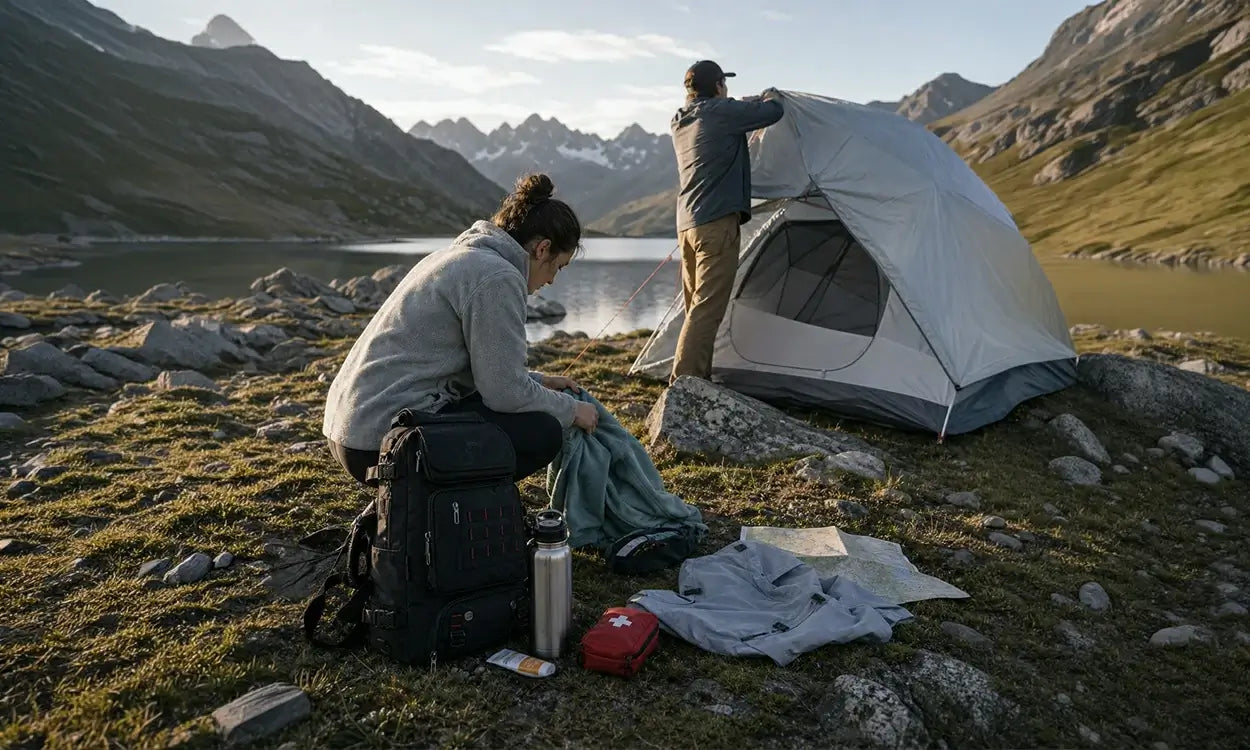
Eine Reise in kühlere Sommerregionen – oft als „Coolcation“ bezeichnet – verlangt nicht einfach weniger Gepäck. Du packst für Temperaturwechsel: schwüle Hitze zu Hause, ein warmer Zwischenstopp und ein Ziel, an dem Fleece oder Regenjacke willkommen sind. Entscheidend ist deshalb nicht nur, was du am Urlaubsort brauchst, sondern auch, was unterwegs griffbereit bleiben muss.
Die Reise beginnt noch in der Hitze
Hitze gehört bereits bei der Reiseplanung dazu. Die Hinweise des US-Wetterdienstes, der Weltgesundheitsorganisation und der CDC sowie die Klimaberichte von Copernicus liefern Orientierung. Für deine Packliste heißt das: Abfahrtszeit, Getränke und Kleidung verdienen genauso viel Aufmerksamkeit wie die Temperaturen am Ziel.
Beginne deine Packliste an der Haustür. Bahnhof, Flughafenparkplatz, Warteschlange oder Fähranleger können noch heiß sein, auch wenn später eine Berghütte wartet. Wer ausschließlich für kühle Abende packt, muss genau dann tief im Rucksack suchen, wenn Schatten und ein schneller Zugriff wichtiger wären.
Für zwei Wetterlagen packen, ohne alles doppelt mitzunehmen
Shorts, Sandalen und eine leichte Jacke reichen nicht für jede Sommerroute. Bei einer Reise ins kühlere Klima brauchst du luftige Kleidung für den Start, Schutz vor Regen bei der Ankunft und eine zusätzliche Schicht am Abend. Gute Aufteilung hilft dabei mehr als immer neue Kleidungsstücke.
Drei Packzonen statt eines großen Stapels
Ordne dein Reisegepäck danach, wann du etwas brauchst. So bleiben die wichtigen Dinge zugänglich, während Kleidung und benutzte Ausrüstung ihren eigenen Platz haben.
Zone 1: unterwegs sofort griffbereit
Sonnenschutz, Wasser, Sonnenbrille, Medikamente, Reisepass, Ladekabel und ein kleiner Snack gehören in erreichbare Fächer. Das Hauptfach mit der Kleidung sollte dafür geschlossen bleiben können.
Zone 2: leichte Kleidungsschichten
Ein atmungsaktives Shirt, eine leichte wärmende Schicht und eine Wind- oder Regenjacke bilden die Basis. Packe für wechselndes Sommerwetter, nicht automatisch für einen Winterurlaub.
Zone 3: benutzt, schmutzig oder feucht
Ein Wäschebeutel oder Packwürfel nimmt getragene Kleidung auf. Schuhe bleiben getrennt von sauberen Sachen; Pflegeprodukte stehen möglichst aufrecht in einem eigenen Beutel.
Was gehört ins Schnellzugriffsfach?
Sonnenschutz, ein kleines Kühlhandtuch, Lippenpflege, Feuchttücher, eine leichte Kappe und Sonnenbrille helfen beim heißen Start. Ausweis, Fahrkarte und ein Snack kommen dazu; Elektrolyttabletten nur, wenn sie zu deinem Bedarf passen. Benötigte Medikamente gehören nicht unter den Kleidungsstapel.
Lege Regenhülle, klein verpackbare Jacke oder trockene Socken nahe an die Öffnung. Bei einem Wetterwechsel musst du dann nicht auf einem nassen Parkplatz oder am windigen Wanderstart das ganze Gepäck auspacken.

Für einen frischen Morgen reicht oft das Zwiebelprinzip
Ein kühleres Reiseziel ist kein Grund, vorsorglich mehrere dicke Pullover einzupacken. Für viele Sommerrouten sind ein atmungsaktives Shirt, eine mittlere Schicht und eine schützende Jacke vielseitiger. Damit lässt sich auf Wind, Schatten, Nieselregen, Klimaanlagen und frühe Starts reagieren. Passe die Auswahl trotzdem an die konkrete Vorhersage an.
Bevorzuge leichte Schichten, die sich gut trocknen lassen. Baumwolle ist in der Stadt angenehm, trocknet nach Schweiß oder Regen aber oft langsam. Ein dünnes Fleece oder Overshirt lohnt sich besonders, wenn es beim Abendessen, auf der Fähre und am Aussichtspunkt gleichermaßen passt.
Feuchte Ausrüstung braucht einen eigenen Platz
Auch im kühlen Sommerurlaub entstehen Schweiß, Schlamm, Sonnencremereste und nasse Handtücher. Trenne deshalb konsequent: Schuhe in einen eigenen Bereich, Pflegeprodukte in eine Tasche und Schmutzwäsche in einen kleinen Beutel. Feuchte Sachen am nächsten geeigneten Halt herausnehmen und trocknen lassen.
Für Wanderungen, Seen und Regenschauer sind ein kleines Mikrofasertuch und ein wasserdichter Beutel für besonders nasse Dinge praktisch. Wenn du eine kunststofffreie Variante wählst, prüfe ihre Eignung für diesen Einsatz. Plane nicht damit, dass unterwegs alles sauber und trocken bleibt.
Reiserucksack und kleine Sling Bag: zwei klare Aufgaben
Die Tasche soll die Reise erleichtern, nicht bestimmen. Wichtig sind übersichtliche Fächer, schneller Zugriff und die Trennung von sauber und benutzt. Ein Hauptgepäckstück für Kleidung plus eine kleine Sling Bag für häufig benötigte Dinge decken diese Aufgaben ab.

WITZMAN B682
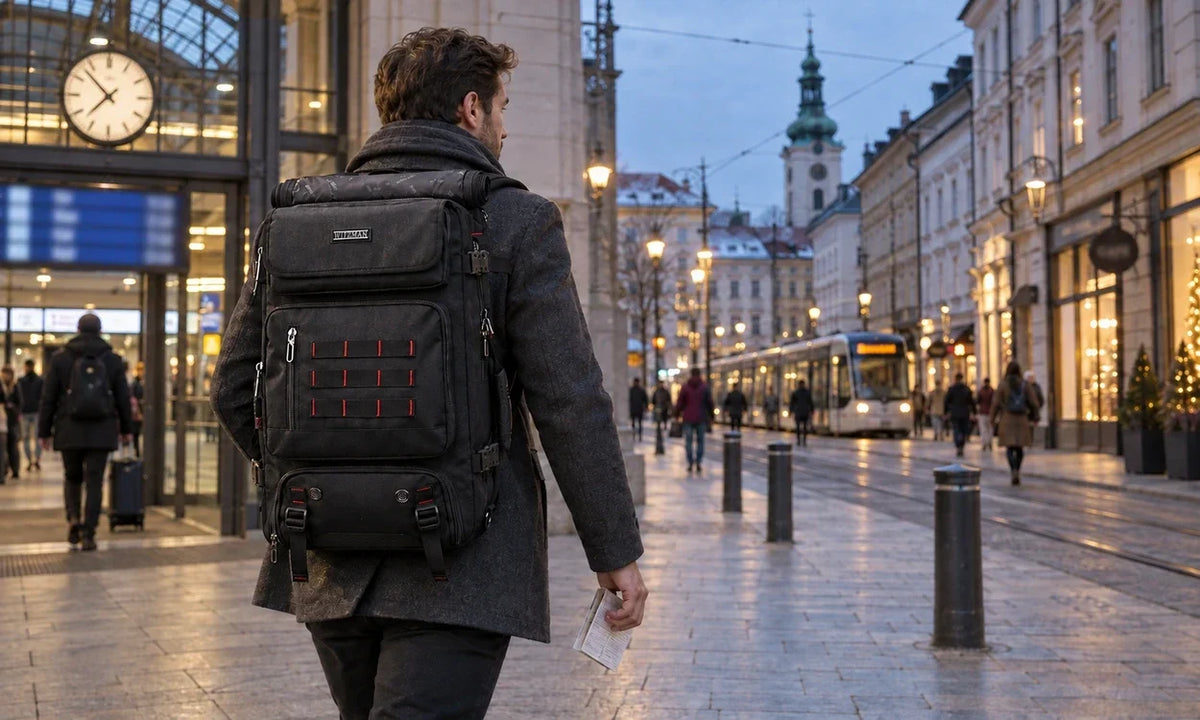
Nylon-Reiserucksack B682 mit 40L
Der B682 übernimmt das Hauptgepäck für Reisen von heißen Abfahrtsorten zu Bergen, Seen oder kühlen Abenden. Seine Aufteilung hilft, Kleidung, Technik, Schuhe und benutzte Ausrüstung getrennt zu verstauen, statt unterwegs immer wieder alles umzuschichten.
40L; 12.6 x 20.5 x 7.5 Zoll; wasserabweisendes Nylon; für kurze Reisen von 3-5 Tagen, je nach Packbedarf.

WITZMAN B735
Sling Bag B735 aus Nylon
Telefon, Geldbörse, Sonnenschutz, Lippenpflege, Sonnenbrille, Taschentücher, Fahrkarte und Hotelschlüssel bleiben hier griffbereit. So muss der große Rucksack auf dem Weg vom Bahnhof zum Wanderstart oder durch die Stadt nicht ständig geöffnet werden.
16.5 x 10 x 7 Zoll; Nylon; mittlere Größenklasse für Tagesgepäck: 10-20L.
Die Packliste an die Route anpassen
Am Bergsee
Windjacke, warme Socken, leichtes langärmeliges Sonnenschutzoberteil, kleines Handtuch und wasserdichter Beutel sind sinnvoll. Zusätzliche Schuhe nur einplanen, wenn Wetter und Aktivitäten sie rechtfertigen.
In einer nördlichen Stadt
Ein ordentliches Overshirt, kleiner Schirm und bequeme Schuhe passen zu Stadtspaziergängen. Eine Sling Bag hält Telefon und Fahrkarte für Bus oder Bahn erreichbar.
An der Küste
Windjacke, schnell trocknende Shorts und Sonnenbrille mitnehmen. Feuchte Strandsachen sollten einen anderen Platz haben als die Kleidung für den Abend.
In der Waldhütte
Insektenschutz, lange Ärmel, Socken und ein kleines Erste-Hilfe-Set ergänzen das Gepäck. Ein Wäschebeutel hält feuchte oder nach Rauch riechende Kleidung vom Rest getrennt.
Der letzte Wettercheck vor der Abfahrt
Prüfe die gefühlte Hitze am Abfahrtsort, die nächtlichen Tiefstwerte am Ziel, mögliche Regenzeiten und ungeschützte Wege beim Umsteigen. Kontrolliere danach einmal die Packliste: Ein unnötig sperriges Teil kann zu Hause bleiben, ein kleiner häufig benötigter Gegenstand gehört griffbereit nach oben.
Weiterführende Hinweise zu Reisen bei Hitze
Offizielle Orientierung bieten die Hitzehinweise des NWS, die Präventionstipps der CDC, die WHO-Informationen zu Hitze und Gesundheit und die Klimaberichte von Copernicus. Berücksichtige zusätzlich Warnungen und Wetterdaten für deine konkrete Route.
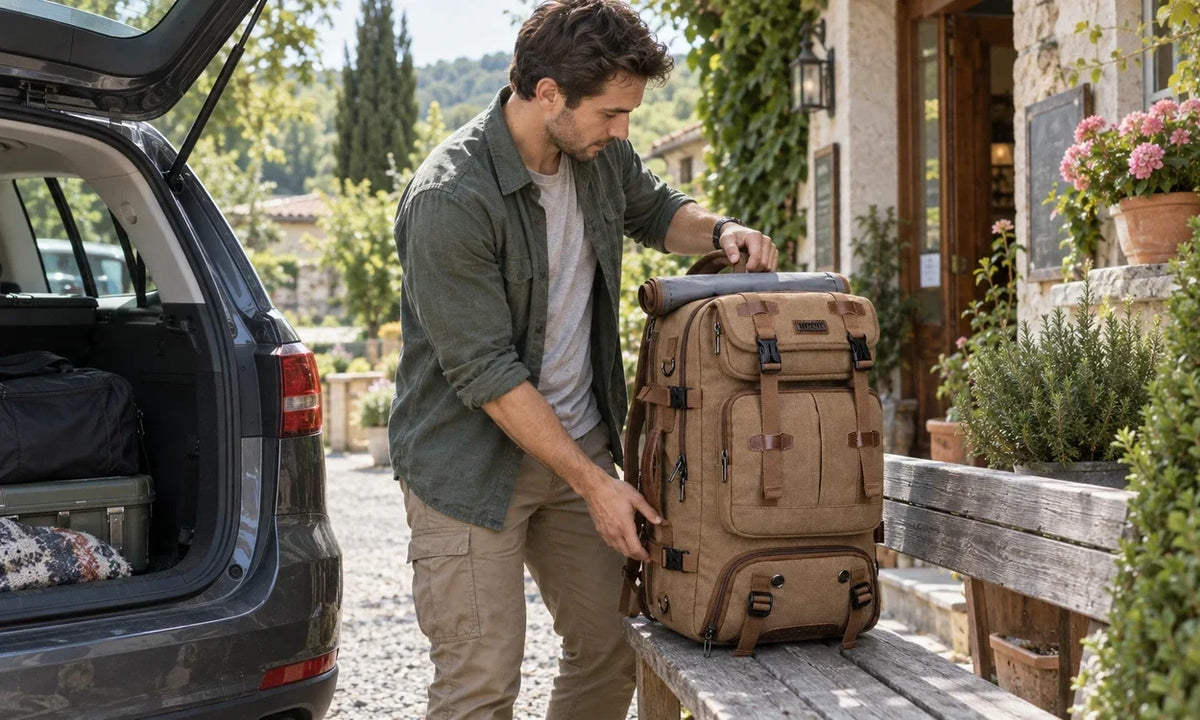
Vergleiche die Reiserucksäcke für dein Hauptgepäck, Reisetaschen für Fahrten mit dem Auto und Sling Bags für kleine Dinge, die unterwegs erreichbar bleiben sollen.
Gut gepackt bedeutet hier: den heißen Start, die kühle Ankunft und den unerwarteten Regenschauer mit wenigen passenden Schichten bewältigen. Saubere Sachen bleiben getrennt, und das Wichtigste ist ohne langes Suchen zur Hand.

Aktie:
Familienwochenende: Weekender oder Reiserucksack?
Flugverspätung bei Hitze: Was ins Handgepäck gehört