

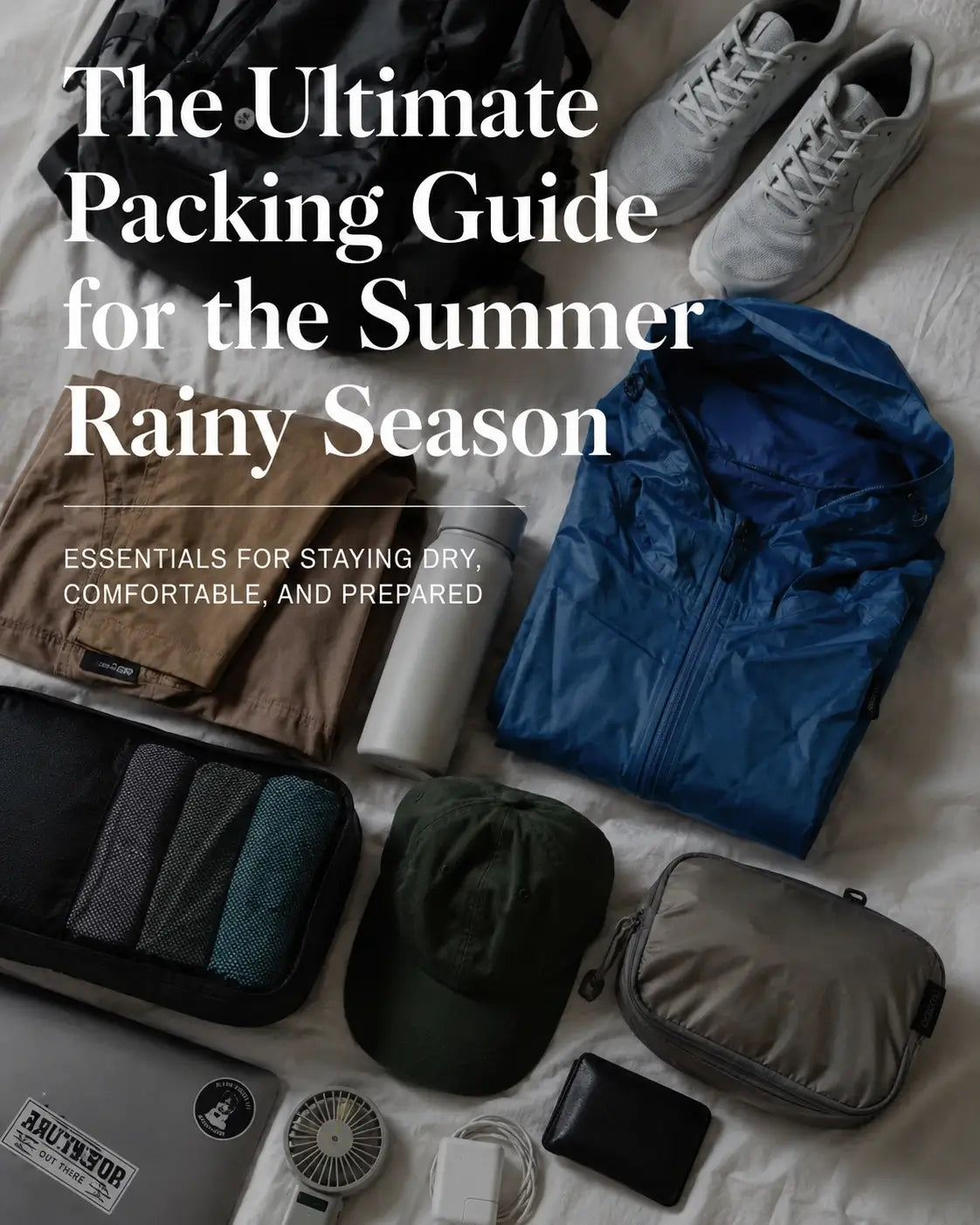
Summer rain changes the rhythm of a trip. Streets shine, schedules flex, and a sunny morning can turn into a downpour just as you reach the station, trailhead, ferry dock, or airport curb. The goal is not to pack more. The goal is to pack with a sharper system: fast access, dry separation, breathable layers, and a bag setup that keeps moving when the weather does.
Witzman builds travel gear for modern explorers, and rainy-season travel is exactly where smart organization earns its keep. Whether you are heading to a tropical city, a coastal road trip, a business itinerary with outdoor transfers, or a family holiday during storm season, this guide will help you build a lighter, cleaner, and more weather-ready packing list.
Start With the Rainy-Season Packing Mindset
Rainy weather exposes weak packing systems. A canvas tote with loose chargers, cotton layers, paper documents, and a single overstuffed compartment can turn one shower into a day of damp inconvenience. A better system has three zones: a quick-access weather zone, a protected electronics and document zone, and a dirty-or-wet isolation zone.
Your quick-access zone should hold the items you need before you open the main bag: compact umbrella, packable rain shell, microfiber towel, transit card, tissues, hand sanitizer, and a small pouch for wet receipts or tickets. Your protected zone should keep electronics, passports, medicine, and backup clothing away from seams and exterior pockets. Your isolation zone should be ready for soaked socks, sandals, swimwear, or a folded rain jacket that has not dried yet.
Choose the Right Bag Before You Choose the Outfits
A rainy-season bag should be comfortable enough for delays, structured enough to protect your essentials, and organized enough that you are not digging in the rain. Look for water-resistant fabric, durable zippers, padded tech storage, and multiple compartments. If your itinerary mixes flights, trains, and walking transfers, a convertible backpack or carry-on travel bag gives you more control than a one-shoulder bag.
For Witzman travelers, the practical approach is to pair a main travel backpack with smaller internal pouches. Keep clothing in packing cubes, toiletries in a leak-resistant kit, and cables in a separate tech organizer. If your bag has exterior pockets, reserve them for items that can tolerate moisture or are inside their own waterproof pouch.
Recommended Witzman Gear for Rainy-Season Travel
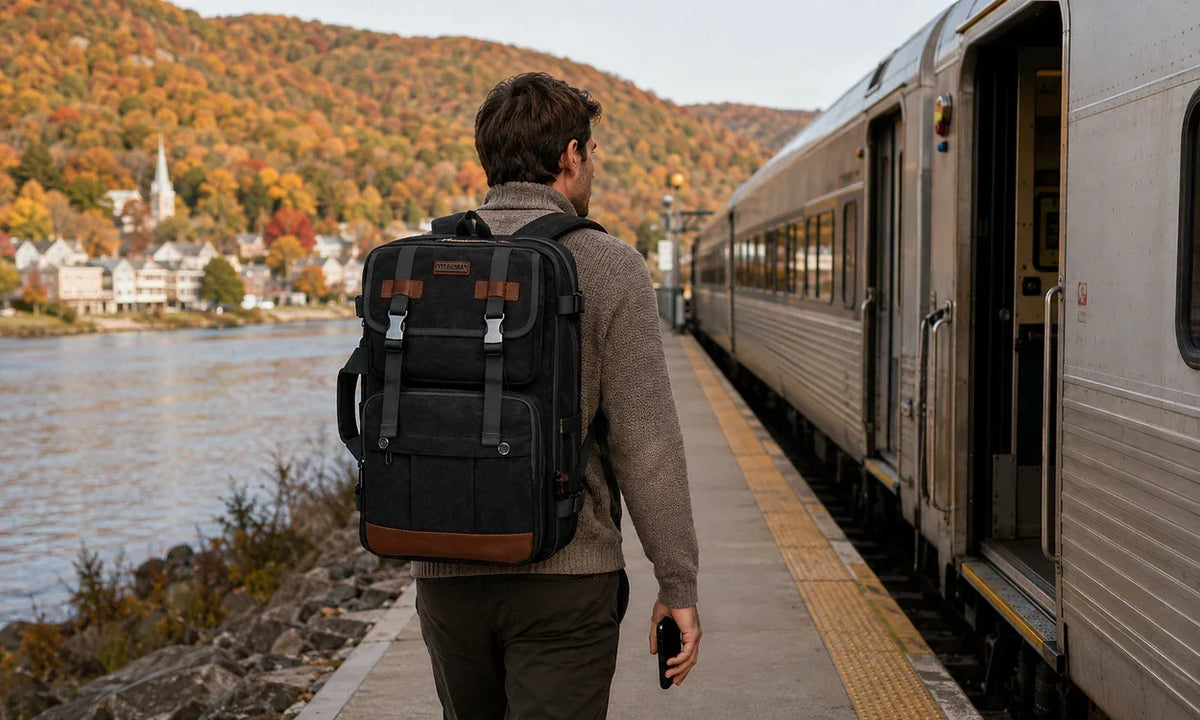
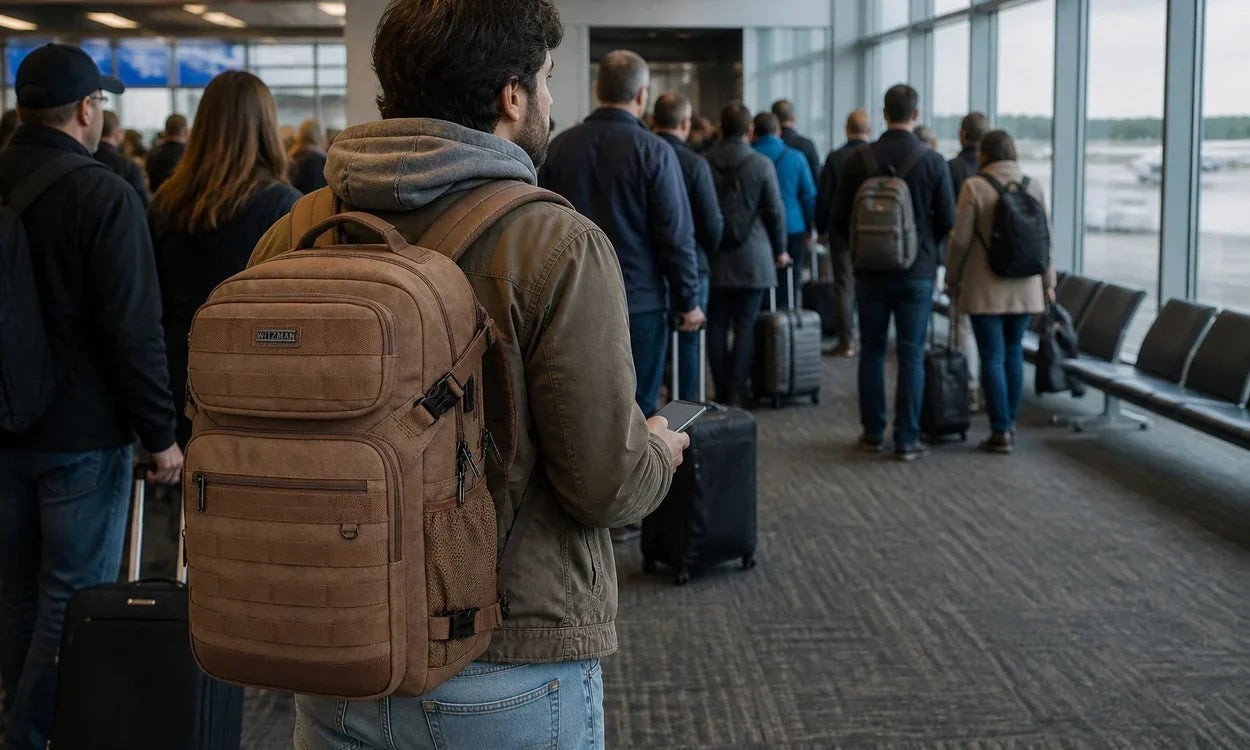
These travel pieces match the rainy-season packing system in this guide and help keep essentials organized, protected, and easy to reach.


The Essential Rain Layer System
Rain protection works best in layers. Pack a lightweight rain shell as your outer layer, a breathable base layer underneath, and one warm layer for air-conditioned trains, airports, hotels, or mountain evenings. Avoid heavy cotton for travel days because it dries slowly and becomes uncomfortable when humidity rises.
- Rain shell: Choose a packable jacket with a hood, sealed or covered seams, and enough room to layer over a shirt.
- Base layers: Quick-dry shirts and travel pants are easier to wash and rewear than denim or thick cotton.
- Backup layer: A thin fleece, merino sweater, or light overshirt helps when wet weather lowers the temperature.
- Footwear: Pack water-friendly shoes or sandals plus one dry pair for evenings.
Footwear: The Place Most Travelers Underpack
Rainy-season comfort often comes down to feet. Bring shoes with traction, not just style. Smooth soles can become risky on tile, ferry ramps, subway stairs, and wet stone streets. If you expect heavy rain, pack sandals or water-friendly shoes for short wet walks and keep one clean, dry pair for restaurants, meetings, or long travel days.
Socks matter too. Pack quick-dry socks and one spare pair in your day bag. If you step into a puddle before a long transfer, dry socks can rescue the day. A small plastic-free dry bag or reusable wet pouch keeps damp socks away from clean clothes until you can wash them.
Toiletries, Liquids, and Skin Protection
Humidity changes how toiletries behave. Powders clump, bottles leak under pressure, and sunscreen or insect repellent becomes more important when clouds make heat feel less obvious. If you are flying from or within the United States, check the TSA liquids rule before packing your carry-on. TSA currently describes the common carry-on limit as travel-size containers of 3.4 ounces or 100 milliliters in a quart-size bag.
Pack sunscreen, lip balm, anti-chafe balm, basic medication, blister care, and a small first-aid kit. For destinations with mosquitoes, the CDC recommends planning ahead, packing insect repellent, and using protective clothing. That advice matters in rainy seasons because standing water can increase mosquito exposure in many destinations.
Electronics and Documents Need Their Own Weather Plan
Rain rarely ruins a trip in one dramatic moment; it usually causes a chain of small problems. A damp passport sleeve. A charger dropped into a wet exterior pocket. A phone battery drained from constant map use while you wait out a storm. Give electronics and documents a dedicated protected section.
- Use a waterproof pouch for passport, visa papers, travel insurance, and printed reservations.
- Pack cables in a zip pouch, not loose against water bottles or umbrellas.
- Carry a compact power bank for delays and route changes.
- Download offline maps, booking confirmations, and emergency contact details before departure.
The Rainy-Season Capsule Wardrobe
A useful rainy-season wardrobe is small, repeatable, and easy to dry. Instead of packing separate outfits for every possible day, build around a capsule: two or three quick-dry tops, one travel pant, one short or skirt, one light layer, one rain shell, and one nicer evening piece. Choose colors that mix easily so weather delays do not force a full outfit reset.
For a one-week trip, most travelers can pack three tops, two bottoms, one sleep set, five pairs of underwear, three to five pairs of socks, and a compact laundry kit. Add destination-specific pieces only after the core system is built. If you are traveling for business, pack one wrinkle-resistant outfit in a garment folder or the flattest packing cube, then keep it away from shoes and wet gear.
Carry-On Organization for Stormy Travel Days
Your travel day setup should assume you may need to stand in rain, repack quickly, and move through security without spreading items everywhere. Keep your liquids bag, laptop, passport, and rain shell easy to reach. Keep everything else compressed and stable. A good bag layout saves time when the line is moving and your hands are already full.
Use this top-to-bottom order: documents and phone in the safest quick-access pocket, rain shell and umbrella near the top, tech in a padded section, clothing cubes in the main compartment, shoes at the bottom or in a separate shoe bag, and wet items in an isolation pouch. Do not put a wet umbrella beside paper documents or chargers.
Health, Safety, and Weather Awareness
Summer rain can mean flash flooding, thunderstorms, heat, and reduced visibility. The National Weather Service warns travelers not to drive or walk into flood waters; even shallow fast-moving water can be dangerous. Before travel days, check local forecasts, transport alerts, and hotel guidance. Build extra time into outdoor transfers and avoid scheduling the tightest connection of the trip immediately after a weather-prone route.
For city travel, identify indoor pauses: cafes, museums, stations, malls, hotel lobbies, or covered markets. For outdoor travel, carry a headlamp or small flashlight, a whistle, and a waterproof map backup if service may be unreliable. In remote areas, tell someone your route before heading out.
Rainy-Season Packing Checklist
- Water-resistant travel backpack or carry-on
- Packing cubes and one wet/dry pouch
- Packable rain shell with hood
- Compact umbrella
- Quick-dry tops, bottoms, underwear, and socks
- Water-friendly footwear plus one dry backup pair
- Microfiber towel
- Waterproof document pouch
- Tech organizer and power bank
- Travel-size toiletries, sunscreen, and insect repellent
- Basic medicine, blister care, and hand sanitizer
- Reusable bag for wet clothing or muddy shoes
Final Packing Strategy
The best rainy-season packing list is not the biggest one. It is the one that keeps dry things dry, makes wet things easy to isolate, and gives you access to weather gear without unpacking half your bag on a sidewalk. Build your system around protection, breathability, and quick movement.
With the right travel bag and a cleaner packing method, summer rain becomes part of the adventure instead of the thing that controls it. Pack light, protect the essentials, and leave enough room for the unexpected. That is the Witzman way: practical gear, modern organization, and the confidence to keep exploring.
FAQ
Should I pack an umbrella or a rain jacket?
Pack both when space allows. A compact umbrella is useful in cities and during light rain, while a packable rain jacket keeps your hands free during transfers, hikes, or crowded transit.
How do I keep wet clothes away from clean clothes?
Use one dedicated wet/dry pouch or reusable dry bag. Put damp socks, swimwear, or a wet rain shell inside that pouch before returning it to your main bag.
What fabrics work best for rainy-season travel?
Quick-dry synthetics, lightweight merino, and technical blends are easier to wash and rewear than denim or heavy cotton. They also stay more comfortable in humid weather.
Can I travel carry-on only during rainy season?
Yes. The key is to reduce duplicate outfits and add better organization: packing cubes, one waterproof document pouch, one wet/dry pouch, and quick-dry clothing that can be washed between wears.

Share:
The Ultimate Backpack Design Guide: Every Feature, Compartment, and Innovation Explained (2026)
Adventure Travel for Over-50s: Staying Safe and Comfortable